Get Full Government Meeting Transcripts, Videos, & Alerts Forever!
Get email alerts on the Career Technical Education topic
No spam. Unsubscribe anytime.
Lawmakers press CTE on faculty, facilities and governor’s $10M capacity grant
Summary
At a Feb. 10 JFAC hearing, analysts and Career Technical Education leaders described rising demand, wait lists in welding and nursing, and a governor-recommended $10 million ongoing grant that would be distributed as competitive grants tied to industry participation.
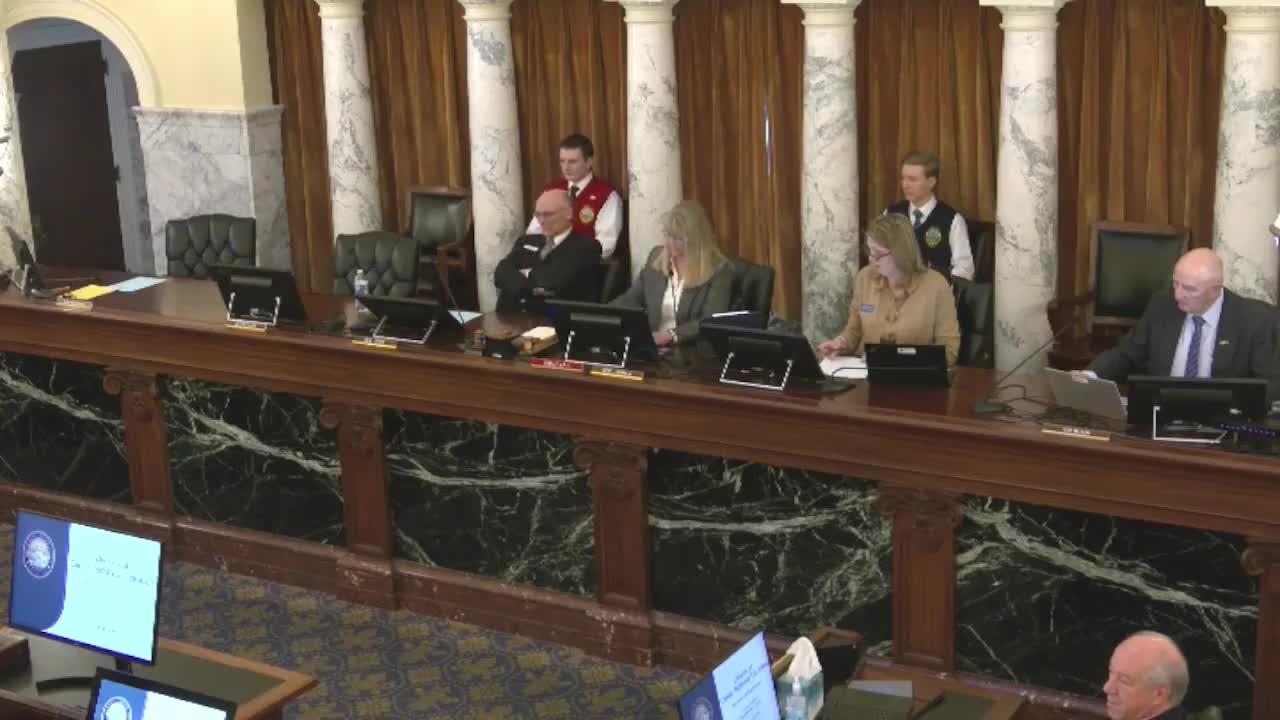
The Joint Finance‑Appropriations Committee on Feb. 10 heard an overview of Idaho Career Technical Education’s (CTE) base budget and FY2026 requests, including a governor‑recommended $10 million ongoing fund to expand capacity in high‑demand programs.
Kevin Campbell, a budget and policy analyst with the Legislative Services Office, told the committee that CTE operates across secondary schools, Idaho’s six technical colleges and workforce training centers and relies on several restricted funds established in statute, including the Displaced Homemaker Fund, the Hazardous Materials and Waste Enforcement Fund, and the Motorcycle Safety Fund.
Why it matters: CTE officials and legislators said demand for skilled technical training has grown substantially statewide, producing wait lists for programs such as welding and nursing. Committee members pressed CTE leaders for details on how requested dollars would be targeted and how the division will track whether additional funding reduces wait lists or expands employment outcomes.
Campbell summarized the division’s recent appropriations and requests, listing multiple ongoing and one‑time enhancements allocated in FY2024–FY2025 and outlining FY2026 requests including instructor funding, a business‑industry engagement manager position, and a governor recommendation for $10 million ongoing to build capacity in “high demand” CTE programs.
Joshua Whitworth, executive director for the State Board of Education and interim administrator for the CTE division, told the committee the state is seeing "massive growth of demand" for CTE programs and that federal grant funding the division uses remains available but requires careful, timely drawdown under evolving guidance. Whitworth said, "the funding is available," and added the division is "watching each day" for federal changes that affect timing and compliance.
Committee members asked multiple operational questions: whether the capacity shortfalls are due to facilities, instructors or both; how the proposed business‑industry engagement manager differs from Workforce Development Council activity; and how the $10 million would be distributed.
On capacity constraints, Whitworth said shortages are both faculty and facility related: programs such as welding require specialized booths and ventilation and have instructor‑to‑student staffing limits that trigger wait lists as enrollment grows. He said the division can provide a list of oversubscribed postsecondary programs to the committee for planning.
On the business‑industry engagement manager (budgeted at $125,400 in the request), Whitworth described the role as district‑level support that would embed with school districts to strengthen local ties to employers, help secure public‑private partnerships, and scale models already operating informally in some districts. He explained this position would be distinct from the Workforce Development Council’s statewide advisory and grant functions because it would provide on‑the‑ground support in school districts.
On the governor’s $10 million ongoing proposal, Whitworth and staff described the fund as a competitive grant program intended to expand capacity in the most in‑demand areas. Committee members pressed for specifics on distribution and oversight; Whitworth said the grant design would require industry engagement and matching commitments and include reporting requirements so the division can measure whether the awards reduced oversubscription. Representative Furness told Whitworth the committee will need more detailed, line‑by‑line information before defending the request on the floor.
Committee members also raised bookkeeping questions about dedicated funds. Kevin Campbell and Whitworth noted that the Hazardous Materials and Waste Enforcement Fund and the Motorcycle Safety Fund have grown or shown atypical balances and that CTE will follow up with the committee to reconcile reporting and to recommend potential fee or expenditure adjustments. Representative Tanner suggested the reported negative balance in the HAZMAT fund may be a reporting or ledger issue rather than a cash shortfall; Whitworth agreed to investigate and report back.
Tracy Bent, chief administrative officer for the division of Career Technical Education, said the Workplace English and adult basic education program is targeted to adult learners for work‑oriented English and basic skills training, and that participants include community members served at workforce training centers and individuals referred from other agencies including corrections.
What came out of the hearing: committee members asked CTE to provide (1) a list of oversubscribed programs and their locations, (2) further detail on how the $10 million grants would be structured and evaluated (including industry match requirements), and (3) reconciliation and recommendations for the hazardous materials and motorcycle safety program fund reporting.
Looking ahead: No formal appropriations votes were taken at the Feb. 10 presentation. Staff and CTE officials committed to follow up with detailed information requested by the committee; the division said that any large investment will be tied to industry engagement and reporting to ensure funds target demonstrable workforce needs.