Get Full Government Meeting Transcripts, Videos, & Alerts Forever!
Get email alerts on the Education School Choice Tax Credit topic
No spam. Unsubscribe anytime.
Committee introduces Idaho Parental Choice tax credit bill after debate over fiscal notes and accountability
Summary
The House Revenue and Taxation Committee voted to introduce RS 31974, the Idaho Parental Choice Tax Credit, a refundable credit aimed at offsetting private-education costs; sponsors and opponents clashed over fiscal mechanics and accountability.
Representative Wendy Horman introduced RS 31974, the Idaho Parental Choice Tax Credit, to the House Revenue and Taxation Committee on Jan. 22, 2025. The measure would let parents claim a refundable state tax credit for qualifying educational expenses beginning with the 2025 tax year, capped at $50 million in total credits unless changed by a future Legislature.
The bill, as presented by Representative Wendy Horman of District 32 (Bonneville County), would allow a refundable credit of up to $5,000 per child and up to $7,500 for children with disabilities. An eligible student is defined in the draft as a full-time Idaho resident ages 5–18, and students with disabilities up to age 21. Qualified expenses listed in the draft include tuition and fees for nonpublic schools, tutoring, standardized test fees, AP exams and prep courses, textbooks and curricula, and specified transportation costs. Parents of foster children in qualified foster homes would also be eligible under the bill’s language.
Horman said the proposal is intended to expand educational options without reducing existing public-school funding. “Many of you know or are about to learn that the reason I ran for elected office in the first place was because I care about the education of every child. No exceptions, every child, no matter where they're learning,” she said. Horman told the committee the program would include transparency and accountability measures including annual reporting by the State Tax Commission on amounts claimed and applicant demographics, and penalties for misuse that could include felony charges for tax fraud.
The bill gives priority for available credits to households with incomes below 300% of the federal poverty level (the sponsor cited an approximate threshold of $95,000 gross income, about $65,000 adjusted gross). Families below that income line would be eligible for the highest priority and could elect a one-time advance payment in their first year of participation. Horman noted the draft does not incorporate Idaho’s Title 33 education code or extensive IDAPA rules and does not attempt to duplicate the public-school accountability system.
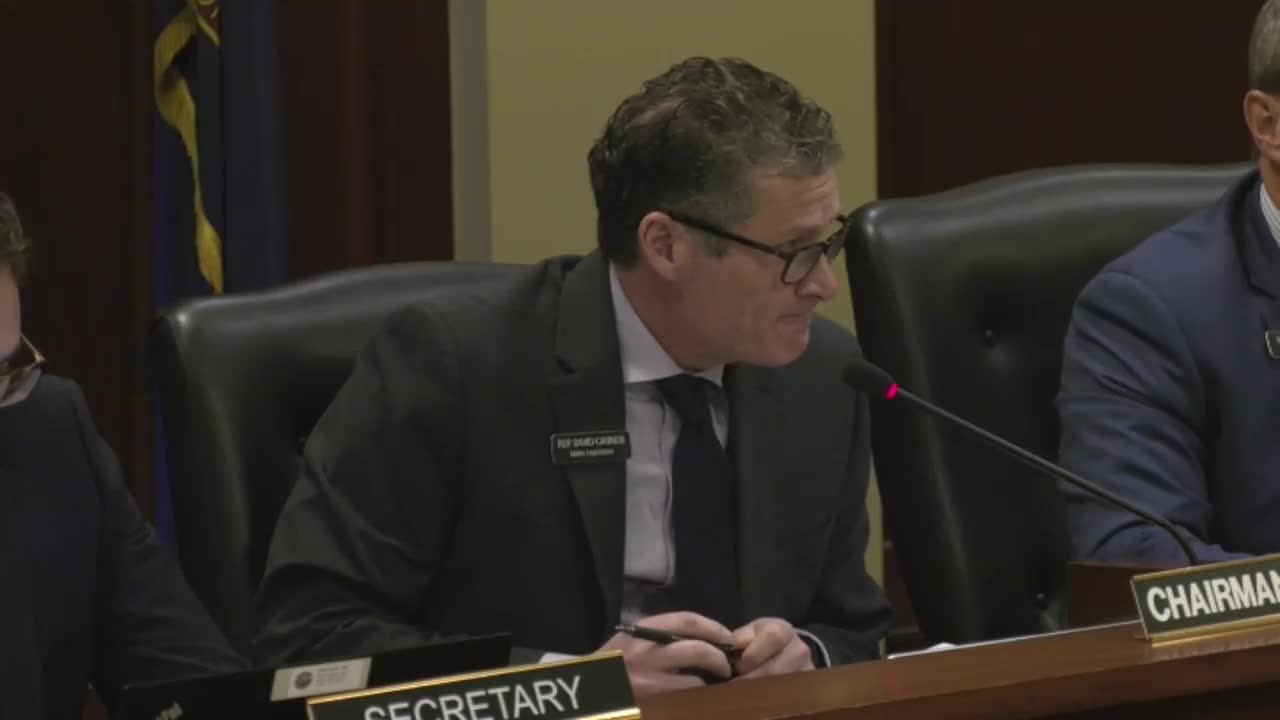
Opponents on the committee raised two central concerns: the fiscal mechanics of structuring a capped refundable tax credit and the lack of explicit performance accountability for how educational outcomes would be measured or tied to state funding. “I'm very uncomfortable with the fiscal note because of the way this is structured,” Representative Gannon said, arguing the cap-and-credit structure is atypical for state tax credits and could produce legal or administrative complications. Representative Birch said the draft includes “no performance accountability” and expressed concern that the dollar amount could be increased later.
Representative Monks moved to introduce RS 31974 for consideration by the full Legislature; the motion passed after a roll call of objections, with Representatives Birch and Gannon recorded as opposing the introduction. Representative Monks said he was “super excited to have this before this committee” and urged a full hearing.
The committee did not resolve the technical tax-administration questions during the January 22 meeting. Horman and other members told the committee they would provide further documentation and a template explaining tax-administration procedures and verification processes if the bill is printed and set for a full hearing.
Votes at a glance
• Motion to introduce RS 31974 (Idaho Parental Choice Tax Credit): Motion by Representative Monks; outcome: introduced. Representatives Birch and Gannon recorded as opposed; the motion carried.
• Motion to approve minutes from Jan. 21, 2025: Motion by Representative Bruce; outcome: approved (voice vote).
Background and next steps
Horman said this draft differs from last year’s proposal by adding an advance payment option and explicitly allowing foster parents in qualified homes to participate. She cited the Individuals with Disabilities Education Act (IDEA) when discussing federal special-education requirements and argued private schools and home educators have different accountability structures than public schools. Committee members requested additional detail on tax-administration procedures (including how rejected returns or mismatched Social Security numbers would be handled) and clarifications on language that would prevent a parent from paying themself a salary under the credit. Horman said she would bring those clarifications to a committee hearing if the bill is printed.
The committee concluded its business and adjourned; members were told to watch for possible announcements about a meeting the following day.