Get Full Government Meeting Transcripts, Videos, & Alerts Forever!
Get email alerts on the Public Safety Traffic topic
No spam. Unsubscribe anytime.
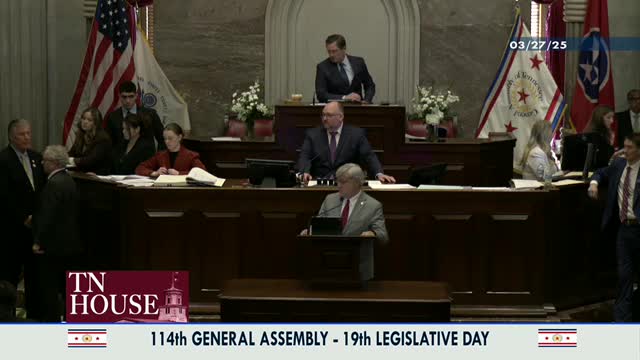
House debates new misdemeanor for soliciting from vehicles; lawmakers worry about effects on homeless vendors and parades
Summary
Representative Michael Martin’s bill would make stopping or parking a vehicle on a street to solicit employment a misdemeanor; supporters said the aim is road safety and preventing traffic obstruction; opponents warned it could sweep in charitable sellers and parade participants without careful drafting.
House Bill 3 02, carried by Representative Michael Martin, would prohibit stopping, standing or parking a vehicle on a street or highway for the purpose of soliciting employment and would make a first offense a Class C misdemeanor. The bill raises penalties if a subsequent violation causes an accident.
Martin told colleagues the law is aimed at preventing drivers from stopping vehicles in traffic lanes to solicit business, which he said can impede traffic flow and delay emergency vehicles. "Employment transactions are more appropriately served in places of business," he said.
Representative Geno Powell and others questioned whether the bill would criminalize people selling newspapers or soliciting donations from medians or sidewalks — activities often used by unhoused vendors or volunteer groups. Powell urged the sponsor to ensure the bill would not target charities, firefighter donation buckets or street-corner newspaper sellers.
Martin said the bill is intended to address vehicles that stop in traffic to solicit business and is not aimed at people on sidewalks or in medians who are not impeding traffic. Representative Harris noted the bill as introduced did not include a parade exception and said organizers commonly line up and impede traffic during assembly; she sought language to protect permitted parades.
Martin said he would work with Harris on language to exempt permitted parades. The House later voted; the clerk recorded a tally that was read as a roll call with 69 ayes and 17 nays (the record shows variations), and the presiding officer entered the result into the journal.
Supporters said the legislation protects traffic safety and emergency access; critics urged careful drafting to avoid unintended criminalization of charitable sellers, vendors and permitted public events.