Get Full Government Meeting Transcripts, Videos, & Alerts Forever!
Get email alerts on the Public Safety Policing topic
No spam. Unsubscribe anytime.
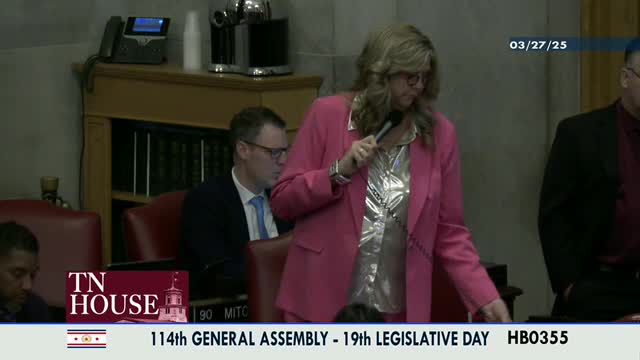
House approves immunity protection for officers in certain on-duty incidents after heated debate
Summary
The House passed Senate Bill 2 80, expanding instances in which on-duty law enforcement officers are immune from civil liability tied to property damage or injury where the injured person was convicted of resisting arrest; opponents said the bill would curtail civil remedies and limit accountability.
The Tennessee House on Thursday passed Senate Bill 2 80, a measure that provides civil immunity to law enforcement officers for property damage or personal injury that occurs during official duties when the person harmed was later convicted of resisting arrest, according to the bill text explained on the floor.
Sponsor Representative William Russell said the measure is intended to protect officers from "frivolous lawsuits" and to reaffirm support for law enforcement. "This will send a clear message that we stand with our police officers so they don't have the extra stress of potential lawsuits," Russell said on the floor.
Opponents including Representative Naomi Jones (D) and others warned that the bill would further limit civil remedies for Tennesseans who say officers violated their constitutional rights. Rep. Jones argued the state’s existing qualified immunity standards already provide protections for officers while allowing lawsuits when conduct is illegal, grossly negligent or willful. She asked why the Legislature would further restrict civil avenues and jury consideration.
Representative Clemens and other members debated whether the statute overlaps with, or was redundant to, current qualified-immunity protections and noted the bill contains exceptions for gross negligence and willful misconduct. Sponsor Russell said the bill was intended to close perceived “loopholes” and avoid what he called unnecessary litigation against on-duty officers.
The House voted to pass the measure. The clerk recorded the tally as "I 76, 14 nays, 5 present," and the presiding officer declared passage, subject to the normal message and procedure with the Senate.
Supporters said the law would reduce legal exposure for officers acting in the line of duty; critics said it could keep citizens from civil remedies in cases where constitutional rights were violated and urged careful attention to the exceptions for willful or illegal conduct.