Get Full Government Meeting Transcripts, Videos, & Alerts Forever!
Get email alerts on the Involuntary Commitment Study topic
No spam. Unsubscribe anytime.
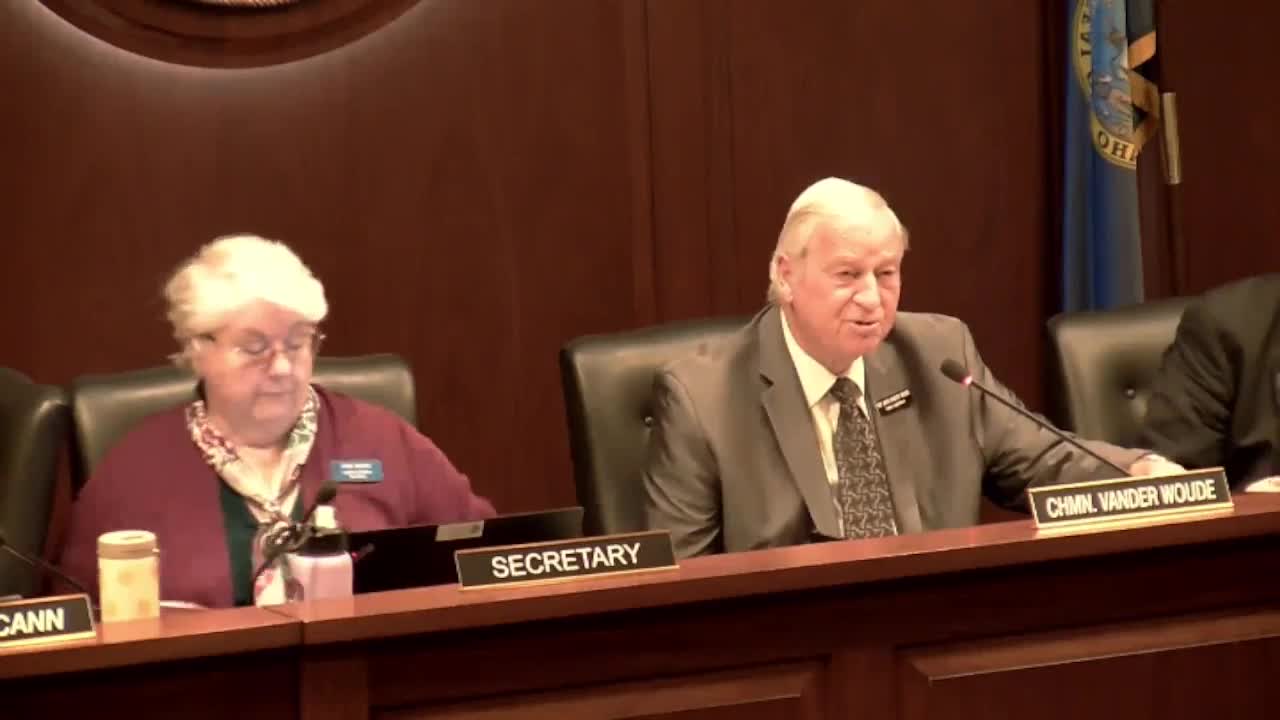
Rep. Laurie McCann introduces resolution to study involuntary commitment process
Summary
Representative Laurie McCann introduced RS 32,225 asking the House Health and Welfare Committee to create an interim study on involuntary commitment procedures after prosecutors flagged confusion across multiple code sections; the committee voted to introduce the resolution for further consideration.
Representative Laurie McCann introduced a resolution on the House Health and Welfare Committee floor asking lawmakers to form an interim study committee to review Idaho’s involuntary commitment procedures.
McCann, who said she represents District 6 (parts of Nez Perce County and all of Latah and Lewis counties), told the committee prosecutors across the state have encountered “a lot of challenges” with involuntary commitments and that “there are multiple sections and titles in the code” that make the process confusing. She asked the committee to introduce RS 32,225 and hold a full hearing later.
Committee members pressed for factual context. Representative Kaler asked how many prosecuting attorneys had raised the problem; McCann said “3 in my district, well, actually more than 3” and that the issue “has been an ongoing problem for several years” statewide. Representative Redmond moved to introduce the resolution; the committee voted in favor and the chair recorded the motion as introduced.
RS 32,225 is a study-resolution request, not a change in statute. McCann described the goal as gathering and organizing the disparate statutory provisions and administrative practices that govern custody, care and treatment of people with mental illness so the process can be better coordinated and less confusing for prosecutors, courts, providers and families.
The committee did not take substantive legislative action beyond voting to introduce the resolution; McCann said a full hearing could follow. The committee’s agenda then moved to other items.