Get Full Government Meeting Transcripts, Videos, & Alerts Forever!
Get email alerts on the Commodity Commissions topic
No spam. Unsubscribe anytime.
Apple, cherry and hop commissions report declining acreage, tight markets and labor concerns
Summary
Candy Fitch, executive director for Idaho's apple, cherry and hop commissions, told a legislative committee that hop acreage and U.S. production fell in 2024, apple production has declined from historic highs, specialty crop grants remain available, and growers continue to face H-2A labor costs and market oversupply.
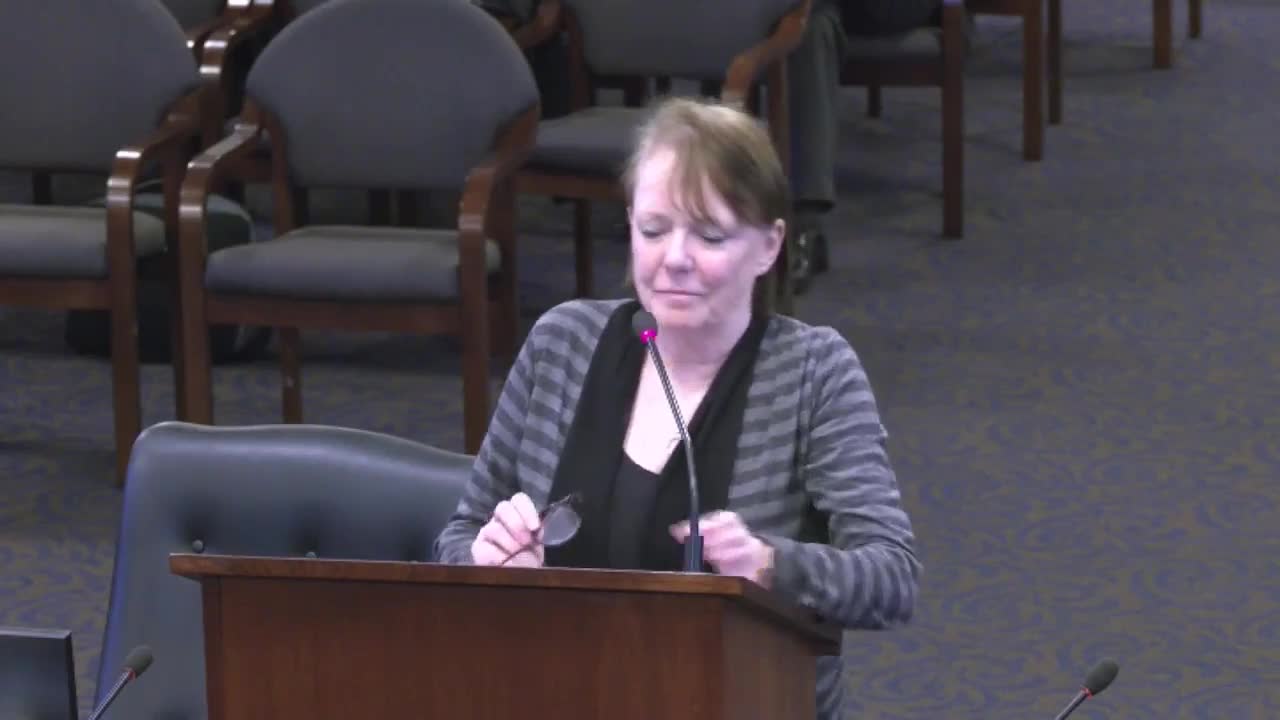
Candy Fitch, executive director for the Idaho Apple Commission, Idaho Cherry Commission and Idaho Hop Growers Commission, briefed an Idaho legislative committee on market conditions, budgets and grant activity for apples, cherries and hops.
Fitch said a U.S. national hop report showed 2024 production down 16% and area harvested down 18%. She told the committee that Idaho hop acreage fell from 9,561 acres in 2022 to 5,797 acres in 2024, with additional acres removed in 2025 “we don't have a final number at this time.” She said the industry is working through an oversupply after rapid growth earlier in the decade and changing consumer preferences.
"During COVID, there was a lot of people that weren't going out and drinking as much anymore," Fitch said, and added that "many people have moved over to drinking more seltzers and different kinds of things like that." Fitch noted this year’s crop produced good yields with average insect and disease pressure.
On apples, Fitch said Idaho once collected assessments on nearly 5,000,000 bushels in a year and today a full crop produces about 1,500,000 bushels. Asked what happened to lost acreage, Fitch attributed a major contraction in part to low-priced juice imports around 1999, retirements and other pressures, saying one shipper “just pulled out all of his orchards.” She also described recent weather damage, including a microburst that flattened older trees and increased costs tied to labor and inputs.
Fitch told the committee the commissions rely on partnerships and memberships — including Hop Research Council, Hop Growers of America, Northwest Horticultural Council, Northwest Fruit Exporters, US Apple, BuyIdaho and Idaho Preferred — and on specialty crop grants for promotion and research. She said the specialty-crop grant program appears stable: "it's my understanding that our specialty crop grant is stable. Because they sent something out for the ISDA... to let us know that the program was gonna be moving forward." (ISDA refers to the Idaho State Department of Agriculture; Fitch used that acronym in response to a question.)
Committee members asked about H-2A labor costs. Fitch said she believed the wage floor to bring H-2A workers was "$16 an hour" and offered to follow up with more exact figures. Representative Miller and others gave additional figures and context: Miller said H-2A farm and ranch irrigation rates run about $16.48 an hour for this year and stressed that employers must also provide housing and transportation. Fitch and other members noted employers must guarantee a portion of the hours and meet federal program requirements.
Fitch also reviewed each commission’s budget notes, promotion activities and events such as Wild West Brewfest and Hops and Crops, and described in-store sampling and consumer bag promotions for apples and cherries supported by grant funds.
Why it matters: The presentations outlined shrinking acreage and shifting demand that affect growers’ incomes and commission revenues, described how specialty-crop grants support marketing and research, and emphasized labor and trade pressures that shape planting and promotion decisions.
Fitch said she would provide follow-up details the committee requested, including one missing commissioner name she offered to send after the meeting.