Get Full Government Meeting Transcripts, Videos, & Alerts Forever!
Get email alerts on the Species Conservation topic
No spam. Unsubscribe anytime.
Office of Species Conservation describes federal grant timing, IIJA funds and sage grouse planning challenges
Summary
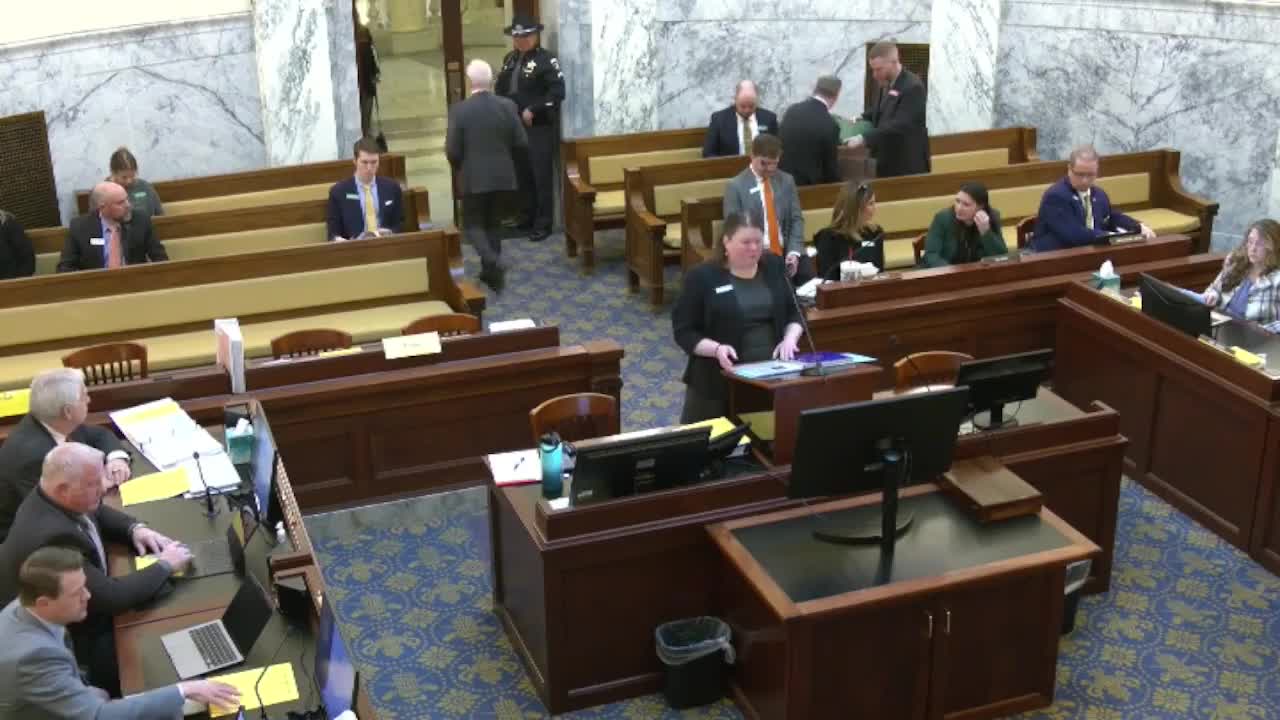
The Joint Finance Corporation Committee reviewed the budget and priorities of the Office of Species Conservation, and heard the administrator describe federal grant timing, recent federal grants and policy headwinds related to endangered‑species planning.
The Joint Finance Corporation Committee reviewed the budget and priorities of the Office of Species Conservation, and heard the administrator describe federal grant timing, recent federal grants and policy headwinds related to endangered‑species planning.
Janet Jessup, legislative services budget analyst, said the Office is allocated 16 full‑time positions and that trustee and benefit payments in 2024—largely federal funds—accounted for the majority of the Office’s expenditures. She noted a $5 million federal IIJA appropriation recorded in fiscal 2023 that remained largely unspent in that year because grant activity spanned multiple fiscal years.
Why it matters: OSC coordinates state activities related to species listed, proposed, or candidates under the federal Endangered Species Act. The timing of federal grants and federal review processes such as the National Environmental Policy Act (NEPA) affect when funds can be expended and when on‑the‑ground work can proceed.
Administrator Edmondson told the committee that program cash balances form the ceiling for spending authority and that agencies often right‑size appropriations to reflect expected grant receipts. Edmondson also warned that federal administrative turnover can cause a “whiplash effect” in listing and NEPA processes, complicating completion of long‑running planning efforts. “One of the challenges we’re facing…is under the Biden administration we work very hard with the western governors, sage grouse action teams and BLM to work on sage grouse management plans. As we’re getting to the finish line, we have a change in administrations,” Edmondson said, adding that changes to federal plans can create uncertainty for producers and land managers.
Jessup said the office’s 2026 request included a $30,000 increase in the miscellaneous revenue fund to allow the office to pursue grants from non‑federal partners. Edmondson thanked the committee for adding a fiscal specialist position last year and said the position improved the office’s ability to track income and expenditures.
Committee members asked about emerging issues. Vice Chair Miller and others asked about future policy pressures; Edmondson cited NEPA timelines—sometimes multi‑year—and the importance of finishing cooperative plans to avoid recurring rework. He referenced sage grouse plans and said Idaho and neighboring states prefer finalizing negotiated plans rather than reopening federal plans under changing administrations.
Ending: Edmondson asked the committee for continued support of OSC staffing and grant flexibility to enable the office to pursue and manage federal and non‑federal funding while navigating long NEPA and listing timelines.