Get Full Government Meeting Transcripts, Videos, & Alerts Forever!
Get email alerts on the Statewide Budget Decisions topic
No spam. Unsubscribe anytime.
Legislative analysts present statewide decision options: revenue forecasts, health insurance and compensation choices ahead of committee votes
Summary
Legislative staff briefed members of the Joint Finance-Appropriations Committee on statewide budget decision items including two revenue forecast options, personnel benefit cost adjustments (health insurance), contract inflation, statewide cost allocation and competing proposals on change in employee compensation (CEC).
Legislative budget staff presented the committee with statewide decision packages the panel will vote on later in the week, including alternative general fund revenue forecasts and competing options for change in employee compensation (CEC).
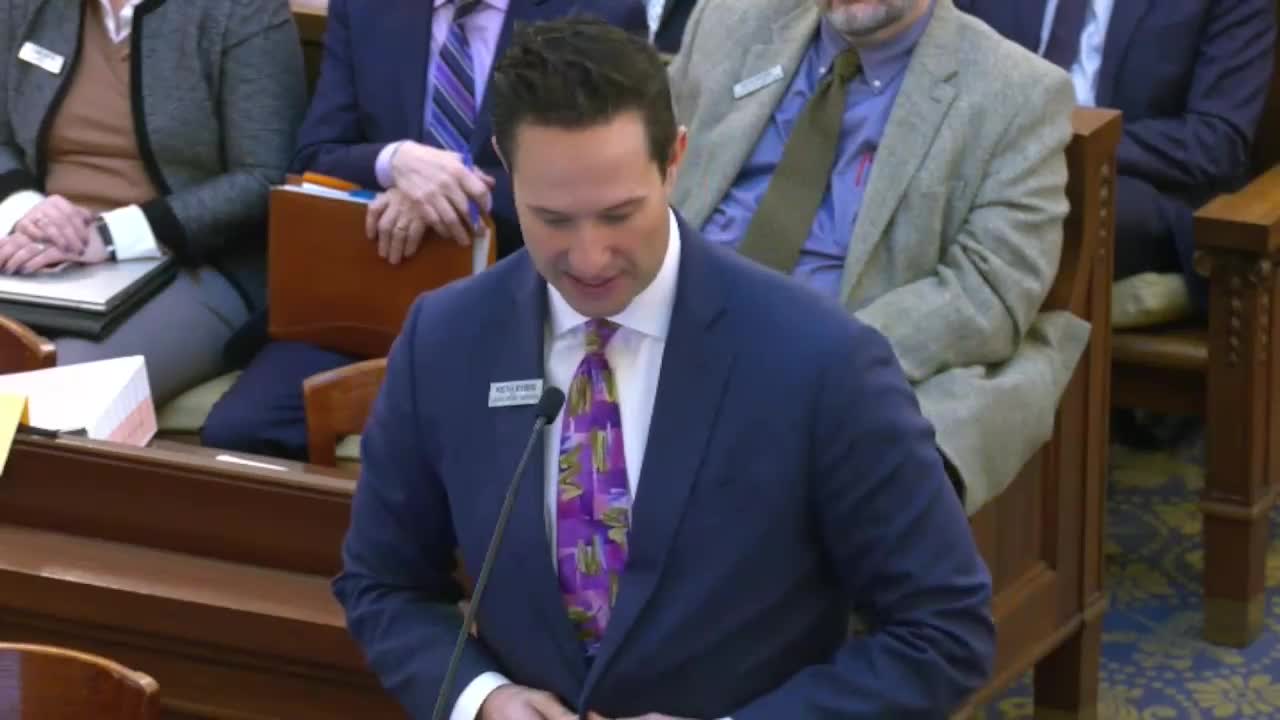
Keith Bybee, Division Manager of Budget Policy Analysis for the Legislative Services Office, walked the committee through packet options. He said the governor’s FY2026 general fund revenue proposal is $6.26 billion, while the Economic Outlook and Revenue Assessment Committee (EORAC) recommendation is $6.40 billion. Staff asked the committee to choose which forecast to use when setting budgets.
On personnel benefit costs, Bybee summarized the governor’s recommended health insurance adjustment as an increase to the funded health insurance level from $13,000 to $14,300 (about a $1,300 increase per eligible employee); the committee could consider an alternative figure recommended by the CEC. Bybee said those health insurance calculations are firm in the packet, but cautioned that certain salary schedule adjustments were still being finalized in the database and numbers could be updated before Thursday’s votes.
Change in employee compensation: The governor’s recommended CEC included the equivalent of a 5% (or $1.55/hour equivalent) merit increase for permanent employees, salary schedule shifts averaging 3.2% for regular schedules and 4.5% for IT and engineering classifications, for a combined statewide impact of about $179.7 million. The CEC committee recommended a slightly lower total (about $174.7 million under staff calculations), but Bybee warned the final agency‑level impacts can vary by personnel mix and reporting structure.
DFM and actuarial context: Laurie Wolf, Division of Financial Management administrator, explained the actuarial process for calculating health insurance funding levels and said the state receives actuarial reports in May and October. She told the committee that funding the health insurance level at the lower actuarial threshold would reduce reserves and likely require a larger catch‑up during the next budget cycle.
Why it matters: These statewide variables determine baseline funding available to agencies and influence agency program decisions. Committee members said they need additional agency‑level breakdowns to see where aggregate CEC proposals have disparate impacts across agencies and to evaluate whether selected amounts will preserve reserves and retain skilled employees.
Next steps: Staff said they expect to put statewide decisions to committee votes on Thursday and then move to program maintenance budgets on Friday. Committee members requested additional agency‑level detail on how CEC and benefit cost choices affect specific agencies and on the state controller’s increased statewide cost allocation billing.