Get Full Government Meeting Transcripts, Videos, & Alerts Forever!
Get email alerts on the Parks And Recreation topic
No spam. Unsubscribe anytime.
Idaho Parks and Recreation requests seasonal pay raises, consolidation and capital work as deferred maintenance winds down
Summary
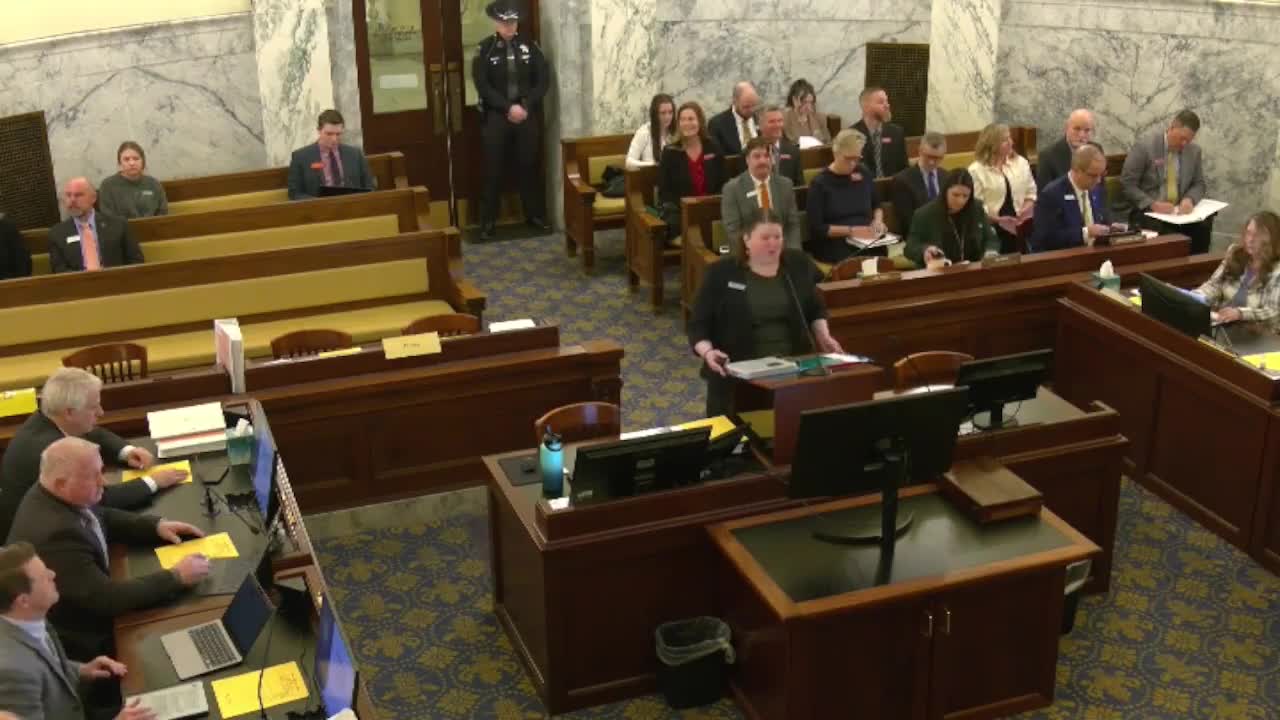
The Joint Finance Corporation Committee heard testimony from the Idaho Department of Parks and Recreation on agency staffing, one-time capital needs and a request to consolidate two budget programs for fiscal 2026.
The Joint Finance Corporation Committee heard testimony from the Idaho Department of Parks and Recreation on agency staffing, one-time capital needs and a request to consolidate two budget programs for fiscal 2026.
Janet Jessup, budget and policy analyst with legislative services, told the committee the Department oversees Idaho’s 30 state parks and trail systems and was allocated 190.8 full-time positions for fiscal 2024. She said capital outlay made up about 41% of the department’s fiscal 2024 expenditures and that a large 2023 appropriation for deferred maintenance produced a multi-year spending pattern as projects carried across fiscal years.
Why it matters: The department manages parks that are widely used by Idaho residents and local governments, and the budget changes proposed would affect seasonal staffing levels, ranger pay, and scheduled replacement of major park infrastructure.
Jessup summarized the agency’s 2026 requests, noting two targeted enhancements: raising seasonal employee pay from $12 to $15 per hour and a tiered ranger compensation program to relieve compression for longer‑tenured staff. She also highlighted capital outlay requests including improvements at Bear Lake Fish Haven and Lake Cascade and said the governor’s recommendation included the agency’s full request.
Director Susan Buxton said the consolidation request — merging management services and park operations into a single program — is “a ministerial request” intended to simplify accounting and oversight and would not remove any program information. “They really blend together and you have a lot of the same positions, especially management positions, that are doing a lot of the same things,” Buxton said.
Buxton described pay compression she has tracked since taking interim leadership in 2020 and attributed some of the salary differences to a multi‑year hiring and pay freeze followed by market adjustments. She told the committee that “seven of the top ten worst paid bureau chiefs in the state are in parks and rec,” and that some managers supervise park operations that include water, sewer and roads. Buxton said the department wants to use dedicated funds to create step differences so new hires do not earn the same as long‑tenured staff.
Human resources officer Jennifer Quindell Miller and Buxton explained seasonal hiring pressures: the department hires roughly 300 seasonal employees each year and enlists more than 500 volunteers; remote and resort parks face higher local wage expectations. “We are gonna have to push that pay range as we have done the last couple years up again,” Quindell Miller said, adding managers currently may pay between $12 and $15 but are increasingly having to offer higher wages in some resort areas.
Committee members asked for details and justification. Representative Tanner and others said the seasonal wage proposal has been phased over multiple years and asked staff to reconcile past and planned expenditures; Buxton and Quindell Miller said dedicated fund timing and local recruiting realities explain the multi‑year approach and that market wages in some places now require more than $15 per hour.
On equipment, Troy Elmore, operations administrator, said the requested compact wheel loader would be purchased through the snowmobile sticker fund for grooming and snowmobile parking‑lot clearing, and that counties operate much of the program. “There’s about 27 county programs across the state and this would be the third piece of equipment like that we purchased,” Elmore said.
Buxton also updated the committee on Hayburn (Hebron) State Park marina replacement and tribal coordination. She said the Coeur d’Alene Tribe previously funded initial design work and had offered at least $1 million toward marina replacement; replacement of two marinas (Rocky Point and Chocolate) will increase the number of slips and address deferred maintenance.
Representative Harman and other members asked for a written summary of the department’s deferred maintenance projects and status. Buxton said the department had included a detailed document in the committee packet and agreed to provide an electronic copy to members who requested it.
The department emphasized that many recent increases in appropriation were one‑time or federally driven and that the governor’s recommendation did not reduce the agency’s enhancement requests. Buxton closed by thanking the committee for support of the parks system.
The presentation produced follow‑up requests from the committee for a project status list and for more detailed pay/compression analysis provided by HR.
Sources: Janet Jessup, Idaho Legislative Services budget presentation; Susan Buxton, Director, Idaho Department of Parks and Recreation; Troy Elmore, Department operations administrator; Jennifer Quindell Miller, HR officer.
Ending: The department’s fiscal 2026 requests will be evaluated by the committee as part of the broader JFAC budget process; committee members signaled interest in receiving the department’s deferred‑maintenance inventory and additional personnel pay analysis before final decisions are made.