Get Full Government Meeting Transcripts, Videos, & Alerts Forever!
Get email alerts on the Pardons Parole Pay topic
No spam. Unsubscribe anytime.
Idaho pardons and parole commission seeks pay raise as commissioners face heavy prep workload
Summary
The Commission of Pardons and Parole asked the Joint Finance-Appropriations Committee to support legislation raising commissioner pay from $300 to $400 per hearing day, citing high uncompensated preparation demands and forecasted turnover among commissioners.
The Commission of Pardons and Parole requested ongoing funding to raise commissioner per‑diem pay from $300 to $400 and to replace aging laptops, arguing that current compensation discourages appointees and does not cover the hours spent preparing for hearings.
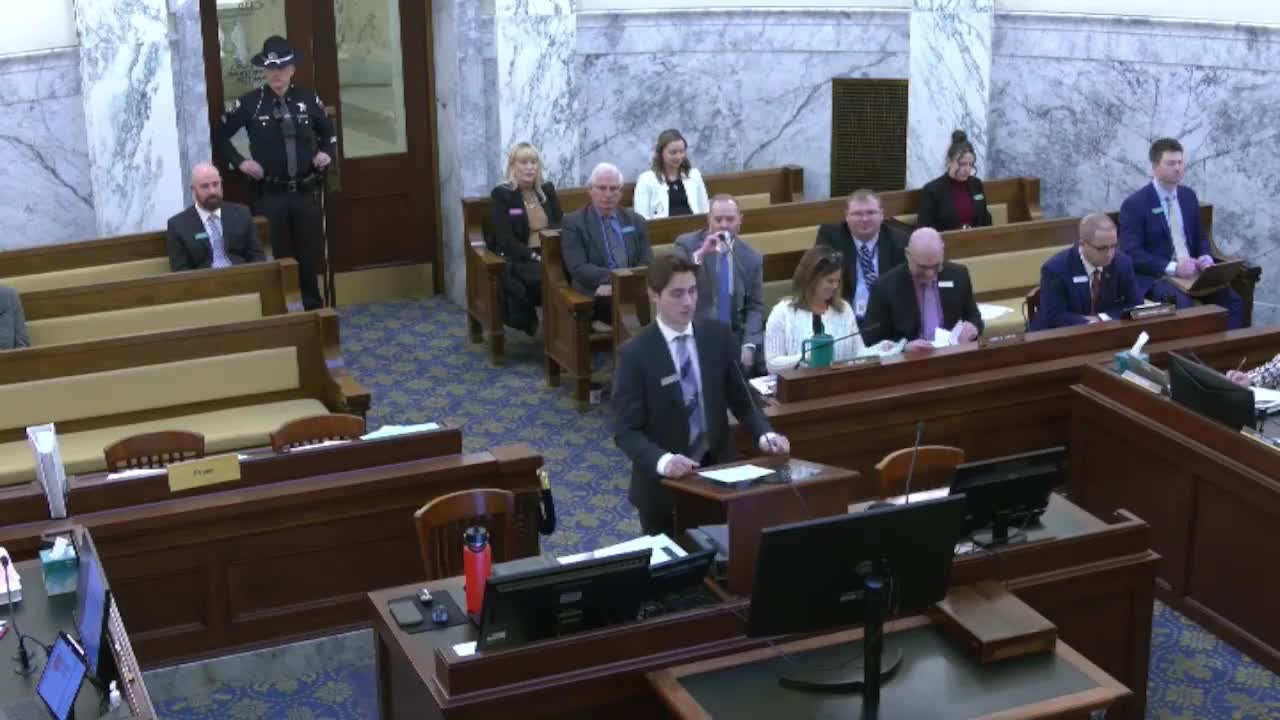
Executive Director Christine Starr, who has served in the role for just over three months, told the Joint Finance-Appropriations Committee that commissioners are paid only for hearing days by statute and routinely spend substantial unpaid time preparing. Starr said commissioners typically hold hearings three weeks per month and that the average hearing week requires about 26 hours of uncompensated preparation — approximately 3.25 unpaid days per week. “They’re actually putting in 26 hours of preparation for the 5 days of hearings that they have,” she said.
Budget request and statutory context: Noah Peterson, the committee analyst, summarized the commission’s FY2026 request to increase per‑diem pay. He said the requested change requires legislation to amend the relevant Idaho statute (the commission cited a change to Section 20‑1002 of Idaho Code), and the governor’s recommendation includes a partial fiscal estimate of roughly $59,300 if the statutory change is enacted. The commission also requested nine replacement laptops at $12,600, recommended by the Office of Information Technology Services.
Why commissioners say the increase is needed: Starr told the committee she expects to lose more than half the commission’s membership by December and described the request as a stopgap addressing a broader need for a sustainable model for staffing and training commissioners. She said commissioners’ decisions affect victims, communities and incarcerated individuals and require thorough review.
Committee questions and next steps: Legislators asked about hearing schedules and compensation mechanics. Representative Manwaring confirmed hearings generally occur three weeks per month and that commissioners serve year‑round. Senator Wintrow suggested the legislature consider broader options for compensation and workload recognition given the public‑safety consequences of parole decisions. The commission said it will analyze models and propose options to improve decision quality and retention.
Ending: The commission framed the pay increase as a modest, legally required step to retain experienced commissioners while it studies longer‑term structural changes to preserve decision quality and public safety.