Get Full Government Meeting Transcripts, Videos, & Alerts Forever!
Get email alerts on the University Finance topic
No spam. Unsubscribe anytime.
University of Idaho outlines improved finances but flags legacy liabilities and potential Phoenix transaction
Summary
University of Idaho President C. Scott Green told JFAC the university’s fiscal position has improved since a multi‑million‑dollar restructuring but that accounting for retiree benefits and pending transactions leave reserve measures below some benchmarks; agreement on a potential University of Phoenix transaction remains pending.
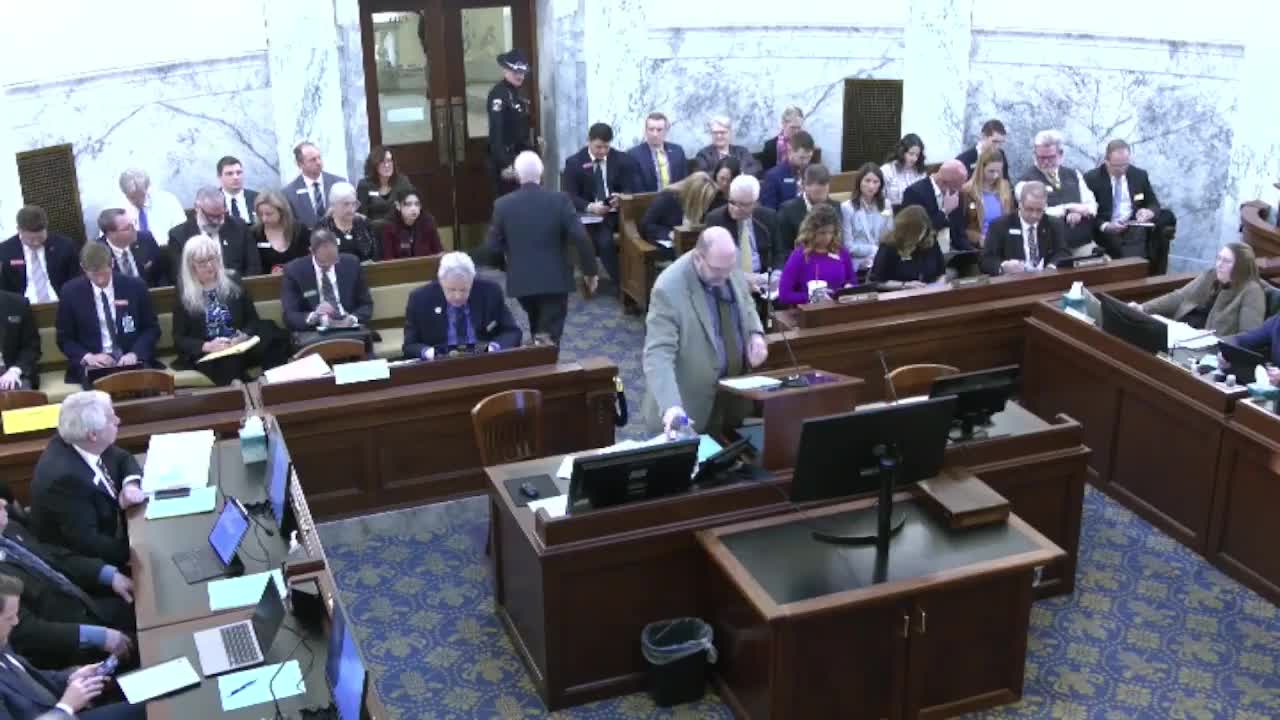
University of Idaho President C. Scott Green told the Joint Finance‑Appropriations Committee on Jan. 27 that the university’s financial condition has improved since a large base reduction, but legacy accounting items and an ongoing potential acquisition keep some reserve metrics below state board benchmarks.
At the hearing, Kevin Campbell, legislative budget analyst, summarized the University of Idaho’s multi‑year appropriations and noted the university’s FY2025 base budget is roughly $196.3 million and enrollment about 12,286 students. Campbell said the University’s FY2021 appropriation included a roughly $26 million base reduction to align expenses with revenues; he added that the university generally spent about 90% of appropriations over a recent five‑year window.
Why it matters: The university is Idaho’s land‑grant research institution; its fiscal health affects research capacity, statewide extension, medical and energy programs and a large student population. Reserve levels and restricted liabilities can influence the institution’s ability to respond to shocks and to sustain new initiatives.
Key points from the hearing
- Structural adjustment and current posture: Green said the university was “about 18 months from running out of cash” when he arrived and that aggressive actions — including voluntary separations and a $26 million base reduction — stabilized operations. He said enrollment and other metrics have recovered, but some reserve targets set by the State Board of Education are not yet met.
- OPEB and net position accounting: Green and university finance staff explained that a prior offer of retiree medical benefits required an accounting change (OPEB) that reduced unrestricted net position on the balance sheet by roughly $33 million; those funds now appear in restricted accounts. Green said the university has a positive total net position (restricted + unrestricted) and sufficient cash to meet obligations, but unrestricted metrics used by some oversight benchmarks remain constrained by the accounting treatment of those retiree obligations.
- Pending University of Phoenix affiliation discussion: Green summarized an agreement with the sellers of University of Phoenix that extends the exclusive negotiation window through June 10 and permits the seller to continue other discussions; the university has received a $5 million deposit under the agreement and could receive up to a $20 million breakup fee to offset transaction costs if the sellers accept another suitor. Green said any affiliation would require Board of Education review and legislative consideration; he described the breakup fee funds, if received, as available to offset incurred expenses and potentially to support program priorities.
- Grants, pass‑throughs and research partnerships: Committee members sought details about federal grants and subrecipient pass‑throughs; Green said the university administers many federal research awards and, when acting as prime, passes funds to collaborating institutions. He offered to provide a list of subrecipients. Green said the University’s total operating budget is near $400 million when research and foundation funds are included.
Committee follow‑ups and requests
Committee members asked for additional financial detail and clarifications on balance‑sheet presentation. Green and the University agreed to provide follow‑up materials, including lists of subrecipients for federal awards and job descriptions tied to any reorganized offices.
Ending
Green emphasized the university’s statewide research and workforce role and highlighted recent enrollment gains. He thanked the committee for past support and said the university will continue to provide requested follow‑up documentation.