Get Full Government Meeting Transcripts, Videos, & Alerts Forever!
Get email alerts on the Foster Care Rules topic
No spam. Unsubscribe anytime.
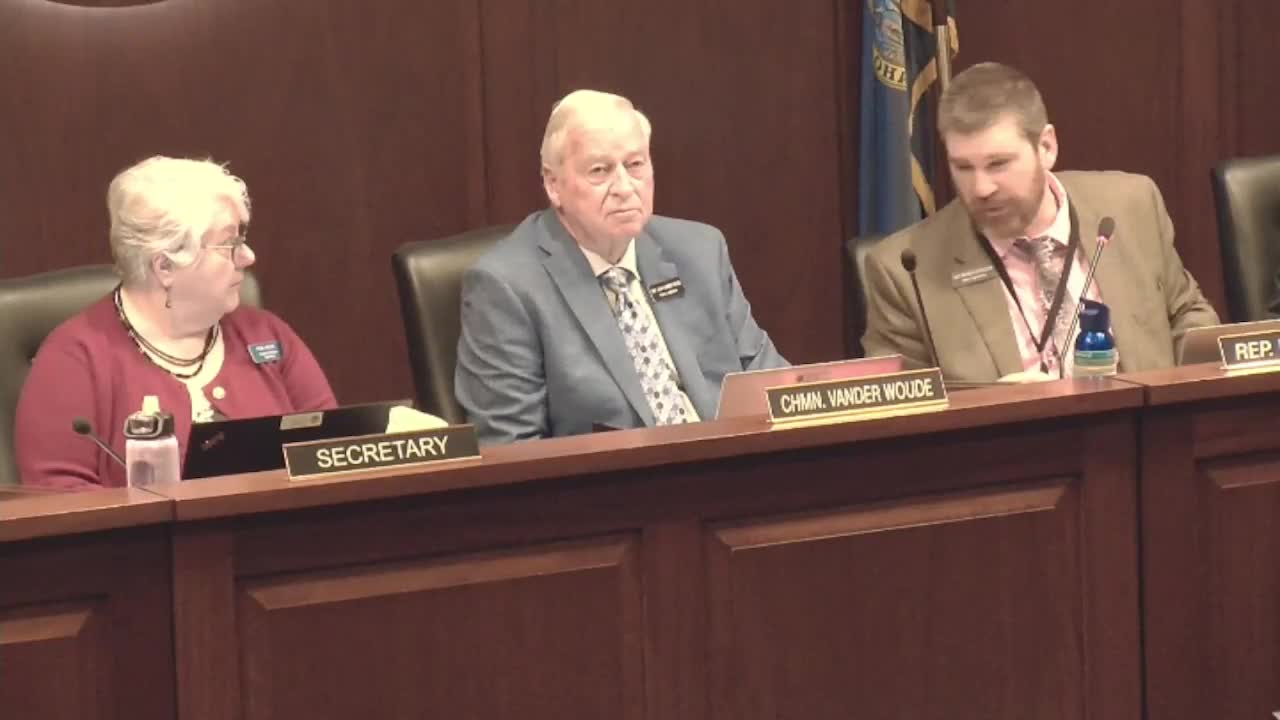
Health & Welfare panel approves suite of foster-care rule changes aimed at streamlining licensure and child safety
Summary
The Idaho House Health & Welfare Committee approved multiple temporary and pending rules to streamline foster care licensure, expand flexibility for placements and clarify appeal and visitation procedures for substantiated caregivers.
The Idaho House Health & Welfare Committee on Tuesday approved a package of temporary and pending rule dockets that the Department of Health and Welfare says will reduce regulatory barriers for foster families while clarifying protections for children.
Department Director Alex Adams told the committee he is pushing a “quality over quantity” approach to the agency’s rule set and said the department’s recent temporary rules have coincided with increased foster-family recruitment. “We have a goal of doubling the ratio of foster families relative to the number of foster kids in the state,” Adams said.
Committee members voted to adopt several related dockets that revise foster-care licensing, extend temporary rules and consolidate chapter language. The changes approved include temporary authority to implement crisis-level payments to families when no appropriate placement is available, a shortened processing timeline for certain foster applications, adoption fee waivers when children are adopted from state custody, and a consolidated rewrite of the children and family services chapter.
Why it matters: Committee members said the changes are intended to remove unnecessary barriers to becoming or serving as foster parents while preserving child-safety safeguards. Department staff described the package as both a deregulatory step and an effort to move some decisions into statute in future sessions.
What the rules do - Crisis payments and supplemental daily rates: The temporary rules permit department discretion to authorize additional, time-limited payments to family alternate care providers caring for high-acuity children or large sibling groups. Department staff said $150 per child per day was a figure discussed previously as an illustrative level should such payments be needed.
- Licensing and the “reasonable and prudent parent” model: The rewrite adopts the national-model language commonly called the reasonable and prudent parent standard. The draft also allows the department to adjust minimum foster-parent age downward to 18 in select circumstances, for example when an older sibling is the best available placement.
- Reactivation for prior foster parents: A temporary rule shortens reactivation requirements for previously licensed foster parents, allowing experienced families to return to fostering more quickly if household conditions have not materially changed.
- Adoption and kinship changes: One temporary action waives adoption fees for adoptions from state custody and broadens the department’s definition of kin for some placement and adoption decisions.
- Child Protection Central Registry and appeals: The package clarifies administrative-review timelines related to substantiation. Department staff said the rule requires the department to provide individuals with the information used in substantiation within 14 days; individuals then have 28 days to request an administrative review. The department said the registry is closed and disclosed only when a signed release is provided during employment or background checks.
- Visitation restrictions for substantiated caregivers: The rules require direct supervision during visits by parents substantiated for certain levels of abuse and prohibit unmonitored conversations or sitting on the child’s lap when supervision is required.
Debate and questions Committee members asked for clarifications on several points, including: whether background checks for new adult household members should be completed before a move-in (Representative Kaler raised concerns that a post-move check could leave a child at risk for up to 15 days); what the registry’s consequences are for individuals and how the registry is accessed; and practical safety requirements such as locked firearms and separate storage for ammunition in foster homes.
Julie Sepcak, a child-welfare program manager, said firearm rules are meant to reduce access by children and described a flexible approach (locked boxes, separate locks or a safe) intended to prevent simultaneous access to weapon and ammunition. Andy Blackwood, bureau chief with DHW, said changes to supplemental payment authority are expected to be covered within existing budget allocations and that the department can provide foster-parent survey results to the committee upon request.
Implementation notes and next steps Committee members approved the temporary rules to extend through July 1, and the department said additional statutory bills will follow this session to codify broader changes and reduce the department’s rule volume over time. Director Adams said the department intends to bring bills to move some rule content into statute and to pare back about 200 pages of rules this session.
Ending: Committee members will continue rule review at a follow-up hearing tomorrow; department staff asked members to raise clarifying questions in advance so hearings can focus on specifics.