Get Full Government Meeting Transcripts, Videos, & Alerts Forever!
Get email alerts on the State Budget topic
No spam. Unsubscribe anytime.
State Independent Living Council tells JFAC it spends nearly all dedicated revenue; governor proposes small fund shift
Summary
The Idaho State Independent Living Council told the Joint Finance and Appropriations Committee it typically spends almost all of its federal dedicated fund revenue, maintains about $280,000 in reserves and that the governor recommends shifting $11,700 of appropriation from the council's dedicated fund to the general fund for FY2026.
The Idaho State Independent Living Council (SILC) told the Joint Finance and Appropriations Committee on Jan. 15 that it typically spends nearly all of the federal revenue that supports its dedicated fund and keeps an ending balance around $280,000, roughly six months of operating costs.
Kellen McGurkin, a budget and policy analyst with the Legislative Services Office, told the committee the council has four full‑time positions — including Executive Director Mel Levitan — and that about 69% of appropriated personnel funds are typically spent on personnel costs. "This difference between appropriation and expenditure is largely due to differences over the years in the amount of appropriation for personnel costs that the agency receives into its dedicated fund versus a lower amount of revenue that SILC has available through its fund sources to back that appropriation," McGurkin said.
McGurkin said SILC’s dedicated fund receives revenue from federal independent living service grants under Title I of the Rehabilitation Act and Title VII of the Workforce Innovation and Opportunity Act (federal grant periods may not align exactly with the state fiscal year). He said SILC’s dedicated fund experienced small negative variances when federal grant timing caused revenue to fall in a different state fiscal year — "SILC spent more than it received in revenue under this fund by $3,000 in FY2022 and $13,000 in FY2023" — but that the agency otherwise spends nearly all available revenue.
McGurkin also told the committee the council saw its Title I funding increase by about $30,000 in FY2023, the first increase in about a decade. On a five‑year average SILC generally maintains the approximately $280,000 balance as a contingency if federal funding were to pause.
On policy for FY2026, McGurkin said the governor recommends shifting $11,700 of appropriation from SILC’s dedicated fund to the general fund so the general fund would cover about half of statewide health benefit and change‑in‑employee‑compensation (CEC) increases that otherwise would be covered by the dedicated fund. "This shift in appropriation would decrease the agency's dedicated fund appropriation and increase its general fund appropriation," McGurkin said.
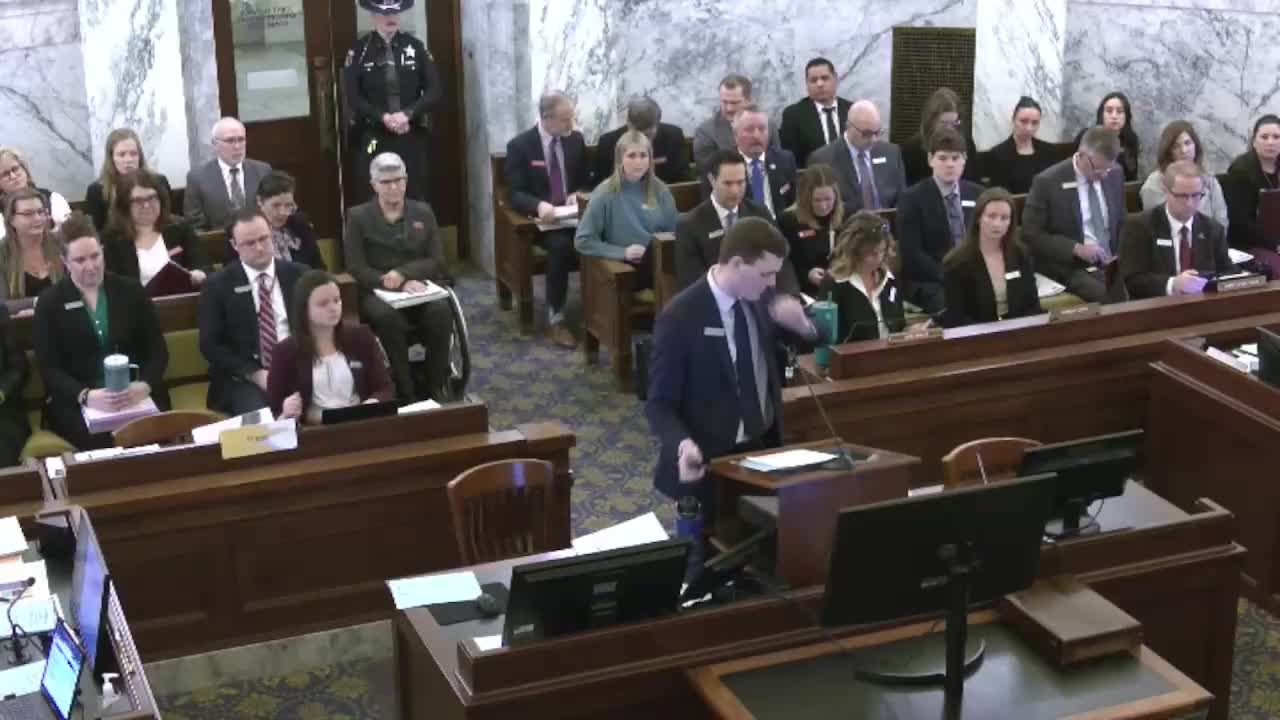
Mel Levitan, executive director of the Idaho State Independent Living Council, thanked the committee for support and noted the agency’s $10,000 one‑time increase last year funded outside auditors and helped the agency eliminate audit findings for FY2022–FY2024. "We make the most that we can with a very small budget. We travel all over the state, and we get to meet folks, and it's wonderful to see people where they are, because they don't get to come to Boise," Levitan said.
The presentation included a staff breakdown and a five‑year appropriation and expenditure snapshot. McGurkin recommended committee members consult the LSO budget slides (page 20,111 in the LBB) and the agency slides for more detail. Levitan stood for committee questions but none were asked before the committee moved on.
Background: SILC is established under Title 56, Chapter 12 of the Idaho Code to promote independent living for Idahoans with disabilities and to provide advocacy, training, information and policy recommendations related to independent living services.