Get Full Government Meeting Transcripts, Videos, & Alerts Forever!
Get email alerts on the Appellate Public Defender topic
No spam. Unsubscribe anytime.
State Appellate Public Defender seeks deputy attorney to curb contracting costs
Summary
The Office of the State Appellate Public Defender told the Joint Finance-Appropriations Committee it is requesting a deputy appellate public defender position to absorb overflow work and reduce expensive outside contracting. The office highlighted rising post‑pandemic caseloads and reappropriated one‑time funds available for appeals work.
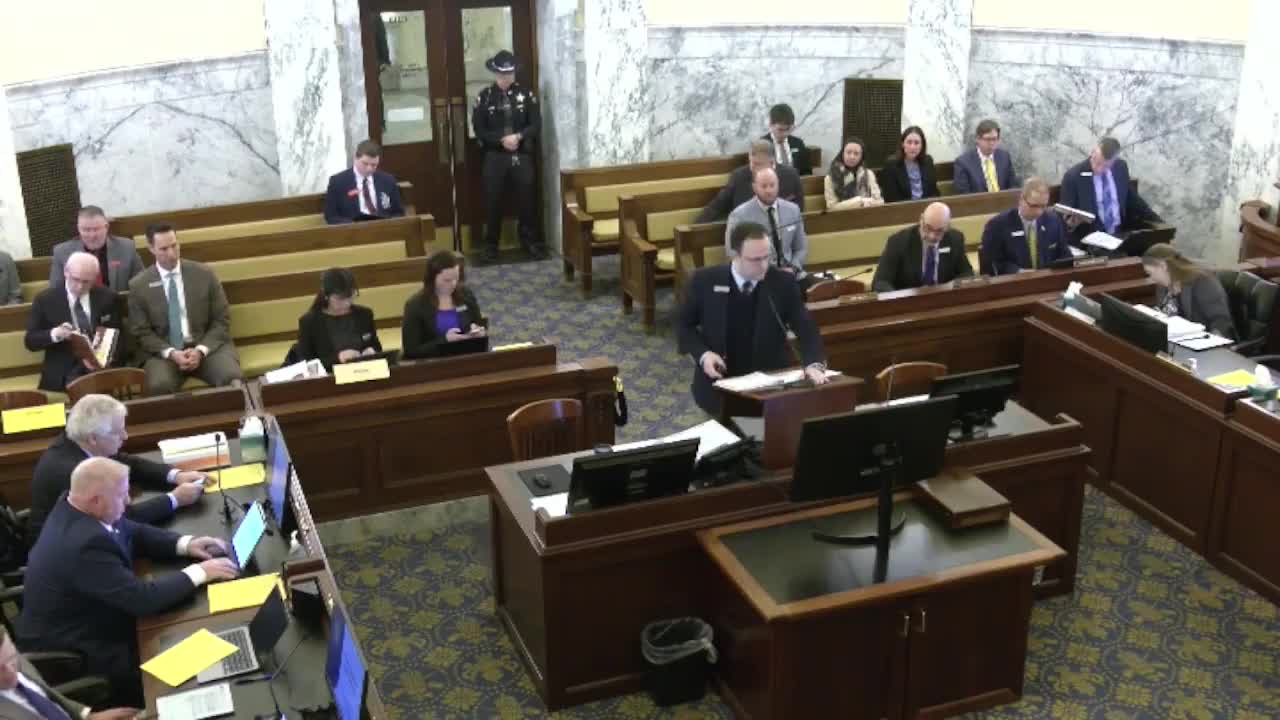
BOISE — The Office of the State Appellate Public Defender asked the Joint Finance‑Appropriations Committee on Oct. 24 for authorization to add a deputy appellate public defender, saying the new hire would reduce recurring costs for contracting outside counsel while taking on non‑capital felony, misdemeanor and juvenile appeals.
Christopher Lahoset, a budget and policy analyst with the Legislative Services Office, opened the agency presentation and described the office’s statutory charge under Idaho Code section 19‑5905. Lahoset said the office is budgeted for 26 full‑time positions and had no vacancies as of Dec. 15. He told the committee the office’s average personnel appropriation over five years is just under $2.8 million and that about 85% of expenditures are personnel costs.
Eric Leighton, director of the State Appellate Public Defender, told senators and representatives that the office’s post‑pandemic caseload has risen substantially. “It has been a challenging year. … we have had a significant increase in our caseload over the last three years,” Leighton said, describing turnover tied in part to staff leaving to help form the new State Public Defender office.
The agency recommended hiring an additional attorney and reported a comparison the committee found persuasive: contracting overflow cases is estimated to cost about $254,000 per year, while hiring an in‑state attorney at roughly $140,000 salary would save money over contracting, according to Lahoset’s presentation. The office currently budgets roughly $200,000 annually specifically for outside counsel when conflicts of interest prevent in‑house representation.
Leighton described the office’s case assignment approach, saying caseloads are distributed among appellate attorneys by experience level so junior attorneys are not immediately assigned the most complex capital or first‑degree murder appeals. The director reported the in‑house appellate unit numbered about 12 attorneys prior to the requested deputy position and estimated the office would handle roughly 650 cases in the current fiscal year.
The agency also requested reappropriation authority to continue spending remaining one‑time funds from a prior supplemental appropriation that were intended to cover an influx of cases. As of the presentation there was about $1,259,000 remaining of those one‑time funds, Lahoset said; the amount could decline as the fiscal year proceeds.
Committee members asked about turnover, contracting patterns and whether outsourcing produced higher per‑case costs than in‑house representation. Leighton said the office has always contracted for conflict cases and that use of outside counsel for overflow is an imperfect, sometimes more expensive, short‑term solution; he noted roughly 14 overflow cases had been contracted out in the last 18 months.
The committee did not take a vote during the presentation; the briefing concluded after questions and Leighton’s closing remarks. The committee will deliberate the agency’s fiscal year 2026 enhancement request as part of its broader budget review process.