Get Full Government Meeting Transcripts, Videos, & Alerts Forever!
Get email alerts on the Health Medicaid Behavioral Health topic
No spam. Unsubscribe anytime.
JFAC hears health-and-welfare budget concerns; approves behavioral health and psychiatric supplemental appropriations
Summary
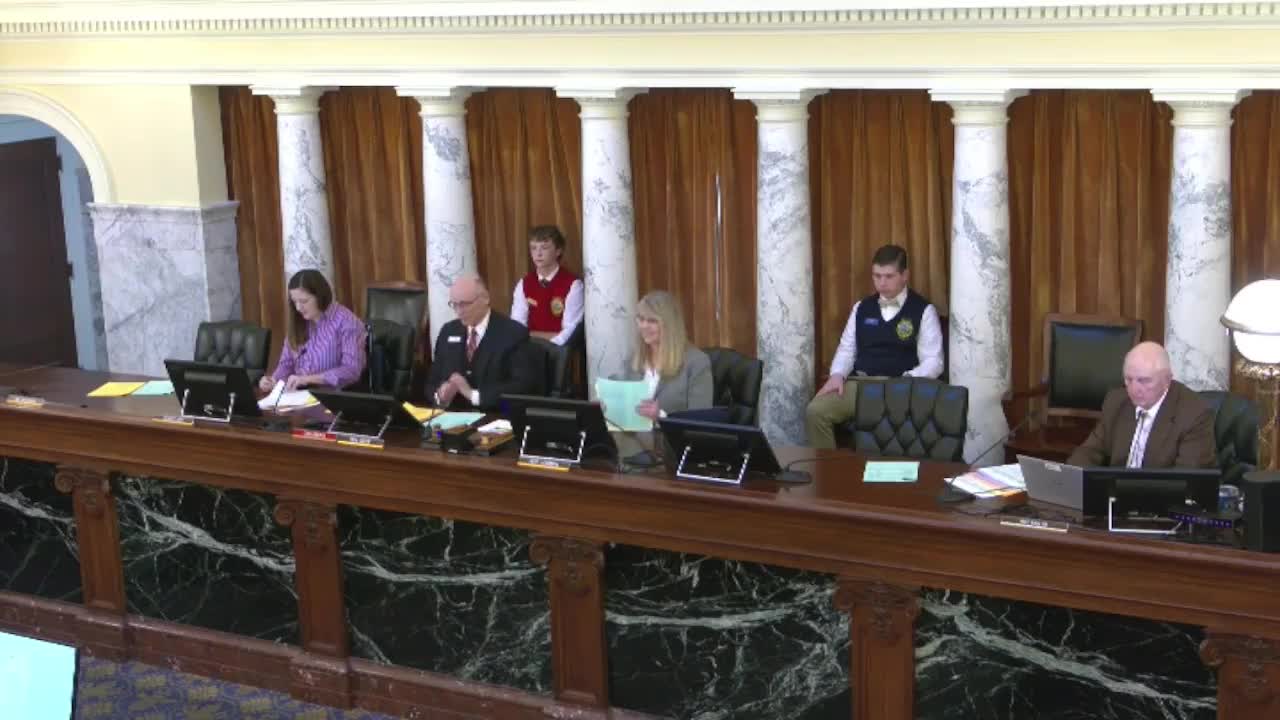
During a JFAC meeting, legislators and analysts discussed Medicaid trends, foster care, Meals on Wheels funding and caregiver pay. The committee approved multiple behavioral-health supplemental appropriations and language to allow limited intra-division transfers under Idaho Code 67-35-11.
Senator Julie VanOrden, a member of the Senate Welfare Committee, told the Joint Finance-Appropriations Committee that the Medicaid expansion population is growing faster than the regular Medicaid population, and that medical inflation is a driver of higher costs. She and members of her committee also highlighted foster-care spending, concerns about an ombudsman position budget, and questions about Meals on Wheels funding.
The committee heard related budget and supplemental requests from Legislative Services analysts and Department of Health and Welfare staff and approved several behavioral-health appropriations. Lawmakers voted to allow the Department of Health and Welfare to spend unused federal grants tied to the Idaho Behavioral Health Plan (IBHP) and to add one-time funds to civil-commitment and community-hospitalization costs at State Hospital programs.
Why it matters: The state is responding to rising behavioral-health expenditures tied to implementation grants and to higher costs for mental-hold and commitment services. Committee action authorizes the department to spend federal grants that had lapsed due to implementation timing and to shift some spending between federal, dedicated and general funds for psychiatric hospitals.
Most important actions and context
- Idaho Behavioral Health Plan implementation: The committee approved a fiscal-year 2025 one-time addition of $6,743,800 from a Cooperative Welfare federal fund appropriation for IBHP contract implementation. (Motion passed in committee; recorded committee vote: 15 ayes, 5 nays.)
- FY2026 mental-health federal grant increase: The committee approved a fiscal-year 2026 addition of $261,400 in federal funds tied to IBHP implementation. (Recorded committee vote: 18 ayes, 0 nays.)
- Community hospitalization (civil commitment): The committee approved a fiscal-year 2025, one-time addition of $2,663,500 from the Cooperative Welfare general fund to cover increased civil-commitment costs in community hospitalization. (Recorded committee vote: 19 ayes, 1 nay.)
- State Hospital fund shifts and forecast adjustments: The committee approved motions that shifted funding between federal, dedicated and general funds for State Hospital West and State Hospital South to align with changing federal receipts and managed-care accounting; combined the FY2026 psychiatric hospitalization budget adjustments as a net-zero impact overall. (Recorded committee votes on forecast/fund-shift items were unanimous or near-unanimous as recorded in the transcript.)
Transfers and statutory language
Committee members approved language exempting the Division of Mental Health Services and the Psychiatric Hospitalization Division from certain transfer limitations to allow transfers between expense classes (personnel, trustee/benefit payments) in accordance with Idaho Code 67-35-11. Analysts said this was necessary to allow timely realignment of spending across expense classes while grants and reimbursements shifted.
Discussion highlights and concerns
- Direct-care workforce and rate increases: Senator VanOrden and Senator Wintrow noted constituent concerns about whether past rate increases for personal caregivers reached workers’ wages and whether the increases improved worker availability. Committee members asked the Department of Health and Welfare to report back on how reimbursement rate increases were used.
- Foster care and ombudsman: Some committee members questioned whether an ombudsman role remains necessary as the state restructures foster-care services; they raised that the ombudsman budget had already exceeded its current appropriation in December.
- Meals on Wheels and agency placement: Committee members noted that no new funding request appeared in the Department’s budget for Meals on Wheels; the agency on aging’s funding and the general government maintenance budget were mentioned as possible paths for support.
What the committee did not decide
Committee action did not change statutory eligibility or create new programs; the votes were on appropriations, supplemental spending authority and limited transfer exemptions tied to existing programs and federal grants.
Ending
Analysts and committee members agreed to track the department’s reports on caregiver-rate impacts and on future behavioral-health expenditures. The transfer-exemption language will accompany the budgets forwarded from the committee for further consideration by the full legislature.