Get Full Government Meeting Transcripts, Videos, & Alerts Forever!
Get email alerts on the Rental Application Fees topic
No spam. Unsubscribe anytime.
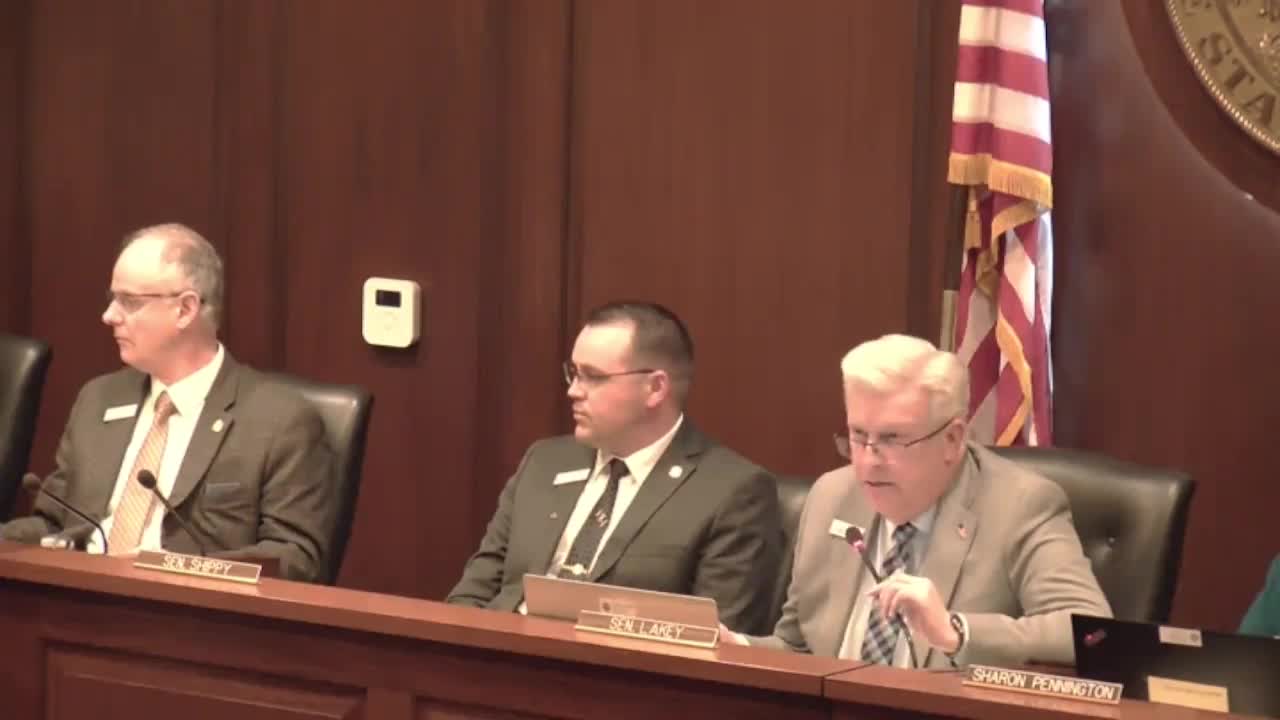
Senate committee agrees to print bill limiting rental application fees to two households at a time
Summary
Senator Ali Rabie introduced RS31865C2 to restrict landlords to running background checks and charging application fees for two households at a time and to require fees be related to actual screening costs; the committee voted to print the RS for a future merits hearing.
Senator Ali Rabie introduced draft legislation (RS31865C2) to the Senate Judiciary and Rules Committee that would limit landlords to charging application fees and running background checks for up to two households at a time and require any application fee to be tied to the landlord’s actual screening costs. The committee voted to send the RS to print for a future merits hearing.
Rabie told the committee the measure arose from constituent cases in which renters applied to many units and paid repeated fees. “By the time they got to the next month, they had submitted over 20 applications and paid over a thousand dollars in application fees and they hadn’t heard a single response back from a landlord,” Rabie said, adding that the bill seeks to protect renters while remaining workable for landlords.
Key provisions described by the sponsor include: a limit on charging and processing fees for two households at a time; an exception for landlords who do not charge fees or use third-party platforms (for example, platform-based application processes where the fee is accepted by the platform rather than the landlord); allowances for properties that operate waiting lists (affordable or senior housing) if tenants are given waiting-list notice; timing rules (a landlord may charge when a unit is available or reasonably expected to be available within 60 days); and a requirement that posted listings disclose any special criteria (for example, no-pet policies or minimum credit scores).
The sponsor said stakeholders including the Idaho Apartment Association and other landlord groups worked on the language. Committee members debated whether emails circulating to members that morning represented constituent concerns or a small group opposed to the RS. Senator Foreman said he had received many constituent emails opposing the RS and was not comfortable voting to print; other senators said they had received supportive stakeholder messages and emphasized the printing vote merely allows a public merits hearing.
Senator Wintrow moved to send RS31865C2 to print; Senator Ricks seconded. The motion passed by voice vote with no recorded opposition.
Ending: The RS will be printed and scheduled for a merits hearing, where proponents, landlords, tenants and other stakeholders will be able to testify on the merits.