Get Full Government Meeting Transcripts, Videos, & Alerts Forever!
Get email alerts on the Judiciary Staffing topic
No spam. Unsubscribe anytime.
Idaho judges warn of shrinking applicant pool, ask Legislature to consider new judges for growing districts
Summary
Three administrative district judges told the Senate Judiciary and Rules Committee that judicial recruitment and retention have declined, senior-judge capacity is shrinking and some fast-growing counties need new judges to handle rising caseloads and long trials.
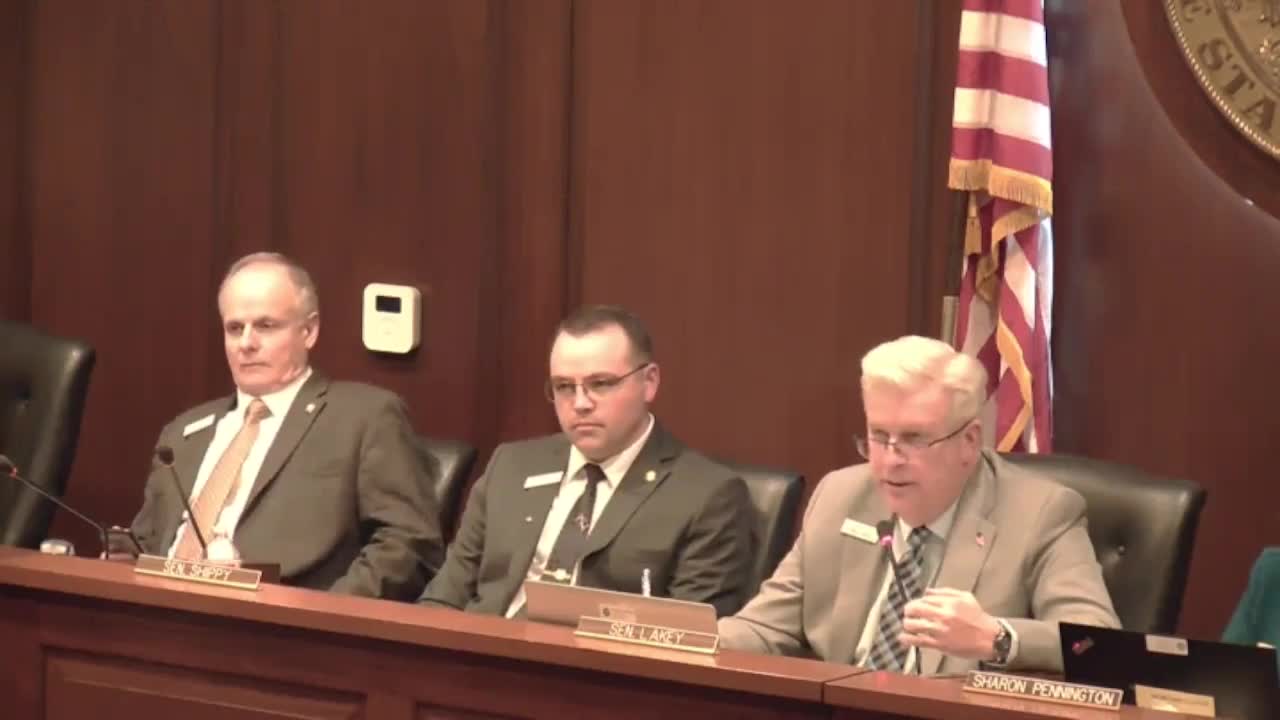
Three Idaho district judges told the Senate Judiciary and Rules Committee on a committee hearing day that fewer lawyers are applying for judicial openings and that the courts are increasingly relying on senior-judge coverage and travel between counties to manage rising caseloads.
Judge Rick Carnaroli, the administrative judge for Idaho’s Sixth Judicial District, told the committee that district- and magistrate-judge applications have dropped from a historical average of about 11 applicants to about 4.6 in the most recent year, and that several recent district openings drew only three applicants. “We don’t have as many applicants as we used to have five years ago,” Carnaroli said, adding that the bench loses valuable experience when judges retire or leave for other work.
The judges told senators that the consequences include reduced mentoring and fewer senior judges available to cover trials and calendars. Carnaroli reported seven retirements in the last fiscal year, four of which he said resulted in judges leaving the bench to take other work rather than entering a senior-judge phase. “We rely a lot upon our senior judges to fill in for vacations, illnesses, vacancies,” he said.
Judge Barry McHugh, administrative judge for the First Judicial District, asked the Legislature to consider adding a district judge position serving Kootenai County. McHugh told senators the First District has the highest caseload per judge in the state and the highest felony rate per capita, citing Supreme Court caseload figures he said showed a 7.7% increase in felony filings through 2023. He said Kootenai County’s population growth has been rapid—he cited an increase from about 121,000 in 2004 to about 172,000 in 2020 and to over 188,000 in 2024—and that two judges who are chambered outside Kootenai County currently must travel roughly an hour to cover cases there, eating into judges’ time for writing opinions and managing dockets. McHugh said a new courthouse coming online this year will add three chambers and three felony-ready courtrooms but that adding a judge would further relieve pressure on time and travel.
Judge Stephen Boyce, administrative judge for the Seventh Judicial District, described lengthy, resource-intensive trials and the importance of senior-judge coverage for continuity. Boyce recounted presiding over two lengthy criminal trials in Ada County that required him to leave his home district for several months in 2023 and 2024; he said his court summoned about 6,000 potential jurors and had roughly 1,800 appear during the preliminary stages of each trial. To keep the Seventh District’s calendars moving, Boyce said the court relied on a set of senior judges put on a regular schedule during his absence.
All three judges described a mix of structural pressures: longer, more complex criminal and civil trials; fast population growth in some counties that increases filings; and fewer experienced judges and available senior judges to backfill extended absences. They also discussed how remote hearings introduced during the COVID-19 pandemic remain useful in many civil matters but said felony criminal trials and many complex civil trials still require in-person proceedings.
Senators asked about recruitment factors. Carnaroli said prospective judges weigh the loss of private practice clients, popular election exposure for district judges, lifestyle and association changes required of judges, and the steep learning curve on taking the bench. McHugh and Boyce emphasized the operational impacts of travel, case mix and courtroom capacity on judicial effectiveness.
The judges asked the committee to consider the Supreme Court’s requests this legislative session for additional judicial positions in specific districts and to recognize the judiciary’s need for continued mentoring, senior-judge capacity and resources to handle long, complex trials.
Ending: The committee did not vote to create positions during the hearing; the judges’ presentations were informational requests and the legislators will consider funding and statutory requests as part of the Legislature’s session work.