
Director of Idaho Office of Drug Policy outlines prevention focus at reappointment hearing
Get AI-powered insights, summaries, and transcripts
Sign Up Free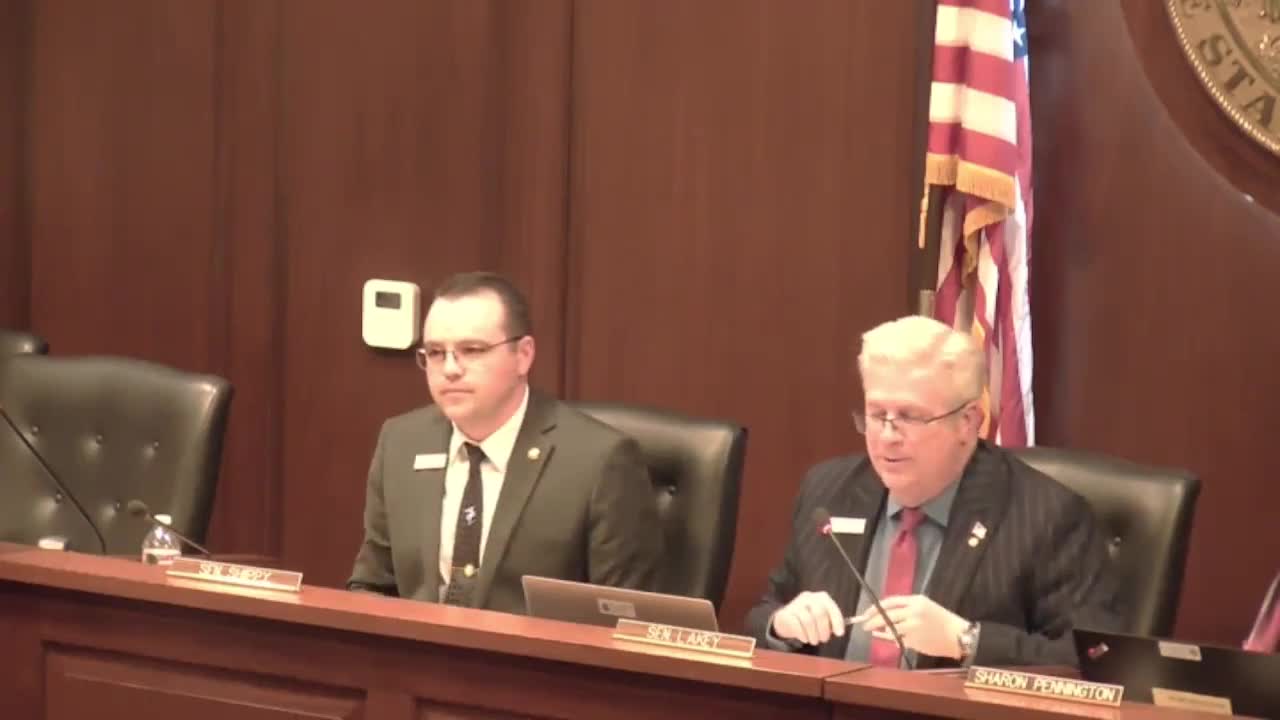
Summary
Mary Ann King, director of the Idaho Office of Drug Policy, told the Senate Judiciary and Rules Committee she favors upstream prevention, partnership-building and evidence-based programs and said the committee will vote on her reappointment at a later meeting.
Mary Ann King, director of the Idaho Office of Drug Policy, described the agency's prevention-first approach and outlined program priorities and challenges when she appeared for a gubernatorial reappointment hearing before the Idaho Senate Judiciary and Rules Committee.
King told the committee she began her career as a juvenile probation officer and later worked with Drug Free Idaho before joining the Office of Drug Policy (ODP). “By statute, ODP is tasked with identifying, coordinating, implementing, and evaluating drug and substance abuse policies and programs across our state,” King said, describing grant-making, data-driven program selection and evaluation as core agency work.
King said prevention must reach “as far upstream as we possibly can” and described three levels of prevention — primary, secondary and tertiary — noting each has a different purpose. She credited the agency’s emphasis on partnerships and evaluation with measurable progress in youth substance-use trends, while warning that the rise of fentanyl and other drug trends has increased lethality.
“The availability, accessibility, and lethality of fentanyl is something that we had never seen before,” King said, and she cited mortality figures in the hearing: “We lost 386 Idahoans to fatal overdoses in 2023, 264 of those to opioids, 197 to fentanyl overdoses.” King attributed her continued service to meeting families affected by overdose and said the agency seeks to address the underlying reasons people use substances, including by teaching basic skills such as decision-making and resiliency.
King listed examples of statewide initiatives the office supports — sticker-shock campaigns, youth leadership summits, prescription drug take-back events and “Eat Together Idaho” — and said ODP has expanded programming to include college-age adults.
She identified three main challenges: recruiting and retaining a trained prevention workforce, adapting to rapidly changing drug trends (including fentanyl, higher-potency THC products, vaping, and a recent uptick in methamphetamine), and improving parent engagement so prevention messaging reaches youth at home.
Committee members thanked King for the presentation and voiced support for prevention work. Senator Wintro praised the emphasis on prevention; Senator Foreman said education must complement enforcement and told King he agreed with prioritizing outreach and education.
Chairman Lakey told King the committee typically votes on appointments at the next meeting and said, “we'll take our vote next meeting,” closing the hearing without a vote on the reappointment.
The hearing record shows no formal committee vote on King’s reappointment at this meeting; committee members said the appointment will be scheduled for a vote at a subsequent meeting.