Get Full Government Meeting Transcripts, Videos, & Alerts Forever!
Get email alerts on the School Leadership Apprenticeship topic
No spam. Unsubscribe anytime.
Committee introduces RS 32428 to create apprenticeship pathway for superintendents and principals
Summary
Representative Dale Hawkins brought RS 32428 to allow apprenticeship‑style on‑the‑job training pathways for school superintendents and principals; the committee approved introduction with a substitute to make the measure effective immediately upon passage and asked for details at a full hearing.
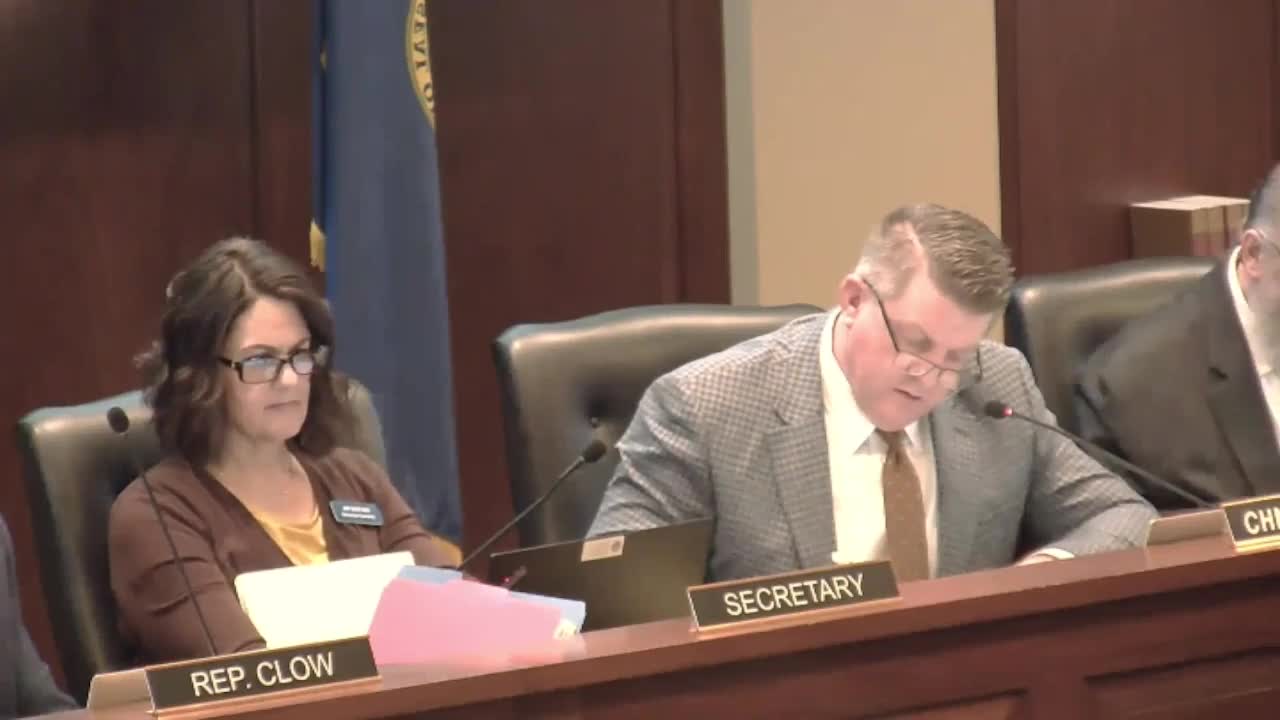
Representative Dale Hawkins, sponsor of RS 32428, asked the committee to introduce an RS that would create an apprenticeship‑style pathway to grow Idaho school principals and superintendents from within the state. Hawkins said the idea mirrors existing educator apprenticeship programs and is aimed at districts—particularly in rural areas—facing difficulty recruiting administrators.
Hawkins told the committee the RS is intended to ‘‘grow Idaho people into these positions’’ and said the sponsor expects the training to take about three to four years to complete. Lawmakers pressed for more specifics at a full hearing—how many internship hours, whether accredited programs are required, what sponsor and local education agency (LEA) responsibilities would be, and whether the State Board of Education and the Idaho Association of School Administrators endorse the approach.
Representative Harris moved a substitute motion to introduce RS 32428 with language replacing a July 1 effective date with immediate effect upon passage; the committee approved the substitute and the RS will be scheduled for a full hearing. Committee members repeatedly asked that the sponsor return with details about program duration, supervisory expectations for sponsoring LEAs, and whether the pathway duplicates or conflicts with existing registered apprenticeship or licensure pathways. Representative Mathias and others said the underlying problem may be that licensed administrators are choosing not to take superintendent roles rather than an absence of credentialed candidates.
Why it matters: Sponsors and questioners described district recruitment difficulties in small and rural communities and said the RS is intended to expand local pipelines. Lawmakers signaled they will probe program protections and minimum requirements—fiscal management, personnel supervision and curriculum knowledge—before supporting any statutory change.