Get Full Government Meeting Transcripts, Videos, & Alerts Forever!
Get email alerts on the Broadband Infrastructure topic
No spam. Unsubscribe anytime.
Commerce details broadband funding pipeline, says BEAD prequalification opens and capital projects are under way
Summary
The Idaho Department of Commerce updated lawmakers on department operations and broadband programs. Officials said $35 million in state broadband funds and larger federal ARPA and IIJA allocations are being deployed, and Idaho’s BEAD program (federal) is moving from planning to prequalification and funding-application phases over the coming year.
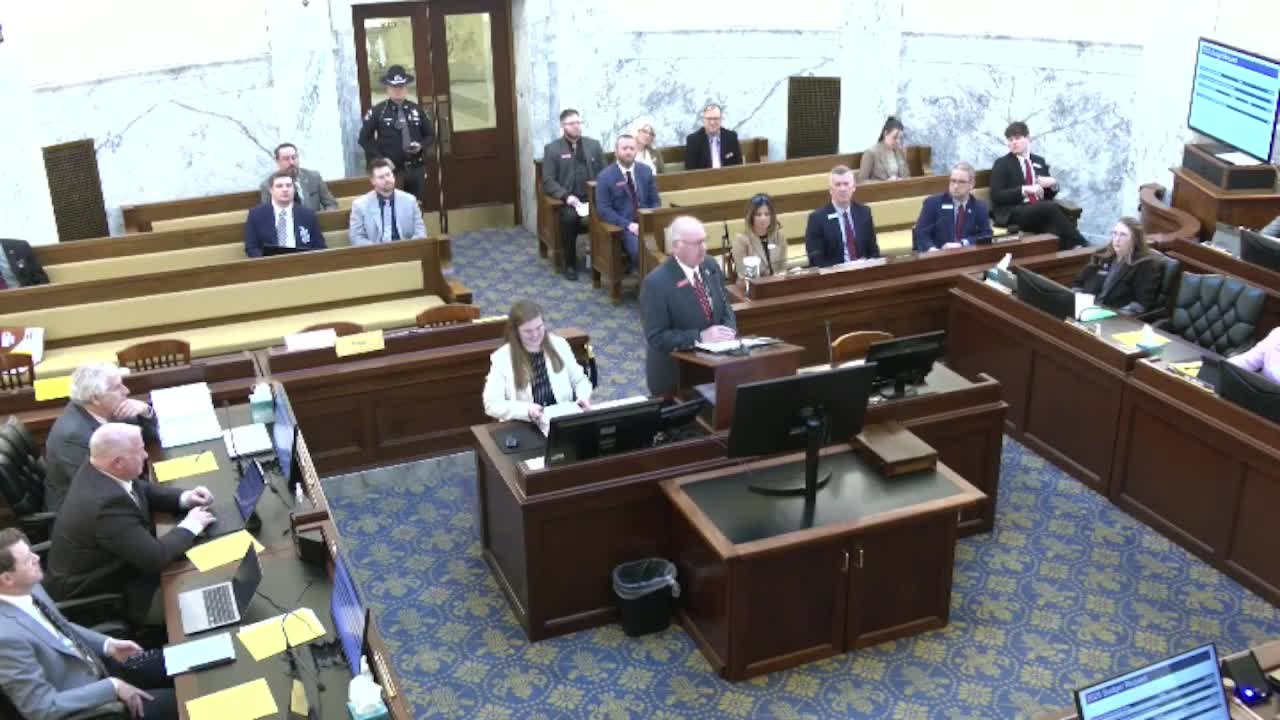
The Idaho Department of Commerce briefed the Joint Finance-Appropriations Committee on FY2026 budget matters and the state’s broadband buildout strategy, including the department’s role implementing state and federal broadband funds.
Brooke Dupree, a budget and policy analyst with the Legislative Services Office, reviewed the department’s structure and budget trends; Director Tom Keeley and members of the Commerce leadership team described broadband projects and timelines and answered committee questions.
Dupree noted the department manages two budgeted programs (Commerce and the Broadband Office) and reported 48 FTPs overall (about 81% typically filled). The analyst traced major recent funding sources supporting broadband work: a $35 million state appropriation to the Idaho Broadband Fund (largely reappropriated into later fiscal years), approximately $124 million in ARPA funds appropriated for broadband capital projects, and $100 million in IIJA (Infrastructure Investment and Jobs Act) funding added in FY2024. The presentation said much of those monies are being spent down across FY2024–FY2026.
Director Keeley and Ramon Sanchez, head of the Idaho Office of Broadband (housed at Commerce), described the federal BEAD program and the state’s timeline. Key points included: - The Idaho Broadband Fund ($35 million) is largely obligated: about $26.5 million already obligated with roughly $8.5–$8.7 million remaining for future allocations. - A $120 million capital projects fund (ARPA) is currently under contract across 18 projects and is intended to connect roughly 35,000 homes and businesses statewide. - The BEAD program (federal, under IIJA) totals about $580 million for Idaho; the office reported it had completed two rounds of preparatory work and opened a prequalification phase for potential applicants in quarter 1 of the calendar year, with a funding-application phase planned for quarter 2. The office estimated it would evaluate applications through the summer and prepare a final package for federal review in mid-fall to early winter, with funds potentially moving about a year after award.
Commerce leadership emphasized partnership with private internet service providers and local governments. Ramon Sanchez said Idaho used a planning grant from the BEAD program to fund local planning grants in 15 communities to improve collaboration with ISPs and improve regional project readiness.
The broadband office described a technology-agnostic approach subject to BEAD priorities: federal guidance prioritizes fiber then licensed fixed wireless; alternative technologies—including low-earth-orbit satellites such as Starlink—may be permitted where fiber or licensed fixed wireless are not feasible. The office said the federal program’s guidance and the national conversation about technology options mean some projects may combine multiple technologies.
Committee members asked about workforce, childcare and other economic development issues (which Commerce listed as headwinds to growth) and about using major events (for example, FIFA regional activity) and Idaho’s research assets to attract investment. Keeley said Commerce is coordinating with partners including Visit Idaho, the Idaho Advanced Energy Commission, Idaho National Laboratory and regional tech-hub initiatives to support energy, AI and advanced-manufacturing opportunities.
No appropriation votes occurred during the presentation; the committee will consider Commerce’s requests and broadband funding allocations as part of the broader FY2026 budget process.