Get Full Government Meeting Transcripts, Videos, & Alerts Forever!
Get email alerts on the Swicap topic
No spam. Unsubscribe anytime.
JFAC staff explain SWICAP: how central-service costs are allocated across Idaho agencies
Summary
Budget staff walked JFAC through the statewide cost allocation plan (SWICAP), how central service costs (attorney general, controller, treasurer) are recovered and the two-year lag between service delivery and recovery in the appropriation cycle.
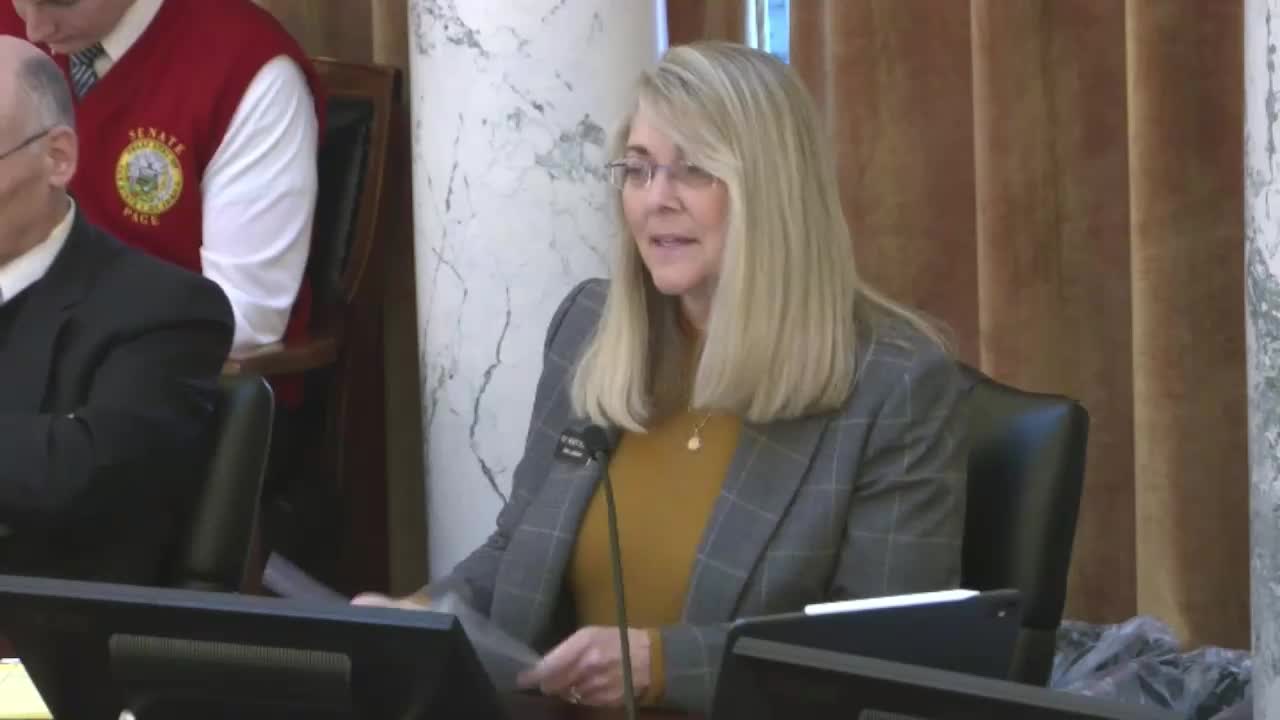
Jared Tetrault, budget analyst with the Legislative Services Office, briefed the Joint Finance and Appropriation Committee on Jan. 7 on the statewide cost allocation plan known in budget documents as SWICAP and how its adjustments appear in agency budgets.
Tetrault described SWICAP as a formal plan the Division of Financial Management sends to the federal cognizant agency (HHS for Idaho) that documents how central service agencies will allocate shared costs. "Statewide cost allocation or SWICAP," he said, "...we're gonna share costs for central service agencies equally, and here's our plan of how we're gonna do that."
Nut graf: SWICAP reallocates portions of central-service costs (Attorney General, State Controller, State Treasurer) and direct-billing charges (risk management, building services, information technology, LSO audits) into agency budgets so each state fund or program pays its share. The effect shows as small adjustments in agency budgets but represents a large total statewide pool.
Tetrault walked the committee through the practical mechanics: central agencies receive general fund appropriations to perform services; actual billable costs are calculated by DFM after the fiscal year; allocations are then applied to each eligible agency and fund, and budget adjustments for the recovery appear two years later in the appropriation cycle. "There's always a 2 year lag," Tetrault told members.
He explained allocation drivers: attorney general costs are allocated based on billable hours (excluding the criminal division), controller costs by payroll-active employees and accounting transactions, and treasurer costs by the number of warrants issued. Direct-billed items cover insurance and building-maintenance charges, ITS services and LSO audit billings.
Tetrault gave FY 2023-to-2025 examples: controller recovery was estimated to be fully collected against its FY23 appropriation; the attorney general's recoverable share is large but not entirely recovered from the general fund in some years; overall the SWICAP program touches billions of dollars in statewide appropriations while typically producing relatively small net changes in an individual agency's budget request in any given year.
Agencies may challenge allocations and provide context (for example, new positions paid from a particular fund or a large federal grant that increases accounting transactions); DFM and LSO evaluate the splits before the committee considers the appropriation adjustments.
Tetrault said direct billing totals change with workload and the office reviews billing cycles (typically three years) to recalibrate charges. He offered to provide the committee a more detailed report on how percentages were calculated.
Ending: Committee members were directed to review SWICAP adjustments when they examine agency requests; Tetrault said staff can furnish breakdowns for specific categories such as liability insurance or ITS charges.