Get Full Government Meeting Transcripts, Videos, & Alerts Forever!
Get email alerts on the Taxes Sales Distribution topic
No spam. Unsubscribe anytime.
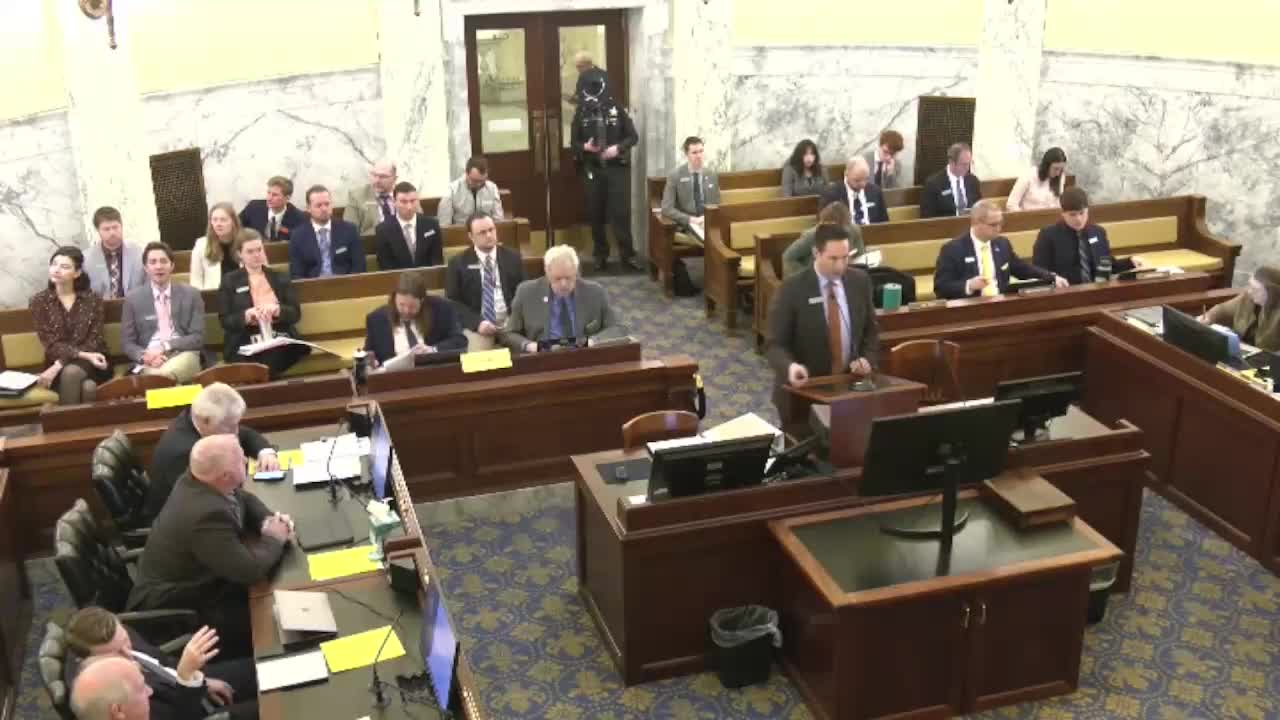
Staff outlines sales tax distribution, growth in earmarks and potential Techum bond proposal
Summary
JFAC staff presented tables showing sales tax growth and statutory distributions (revenue sharing, Techum, school modernization, tax-relief fund), noting the general fund's shrinking share of sales tax and discussing a potential proposal to earmark additional funds for Techum bonding.
Budget staff walked JFAC members through sales tax collections, statutory distribution formulas and how recent and proposed earmarks reduce the share of sales tax available to the general fund.
Bybee summarized the Legislative Budget Book tables and noted total gross sales tax collections were projected to grow from $3.1 billion in 2024 to roughly $3.37 billion in 2025 and $3.5 billion in 2026. After statutory distributions and transfers (refunds, revenue sharing, the tax-relief fund, Techum allocations, and other earmarks), the remainder flows to the state general fund.
Key distribution points noted by staff: - Revenue sharing: 11.5% of net collections is distributed to local units (cities, counties and special districts). - Techum (program name in the transcript): receives a statutory share (described as 4.5% of net collections in staff remarks) with $80 million currently identified for bonding; the governor's proposal discussed in the meeting would effectively increase the dollar amount available for Techum-related bonds by about $50 million in some scenarios. - School modernization: a $125 million earmark for school facilities bond payments was noted. - Tax Relief Fund: online-sales-derived revenues are routed to the Tax Relief Fund, which then distributes a portion to public-school facility fund and other items and transfers a statutory amount to the general fund (staff noted large growth in this category in recent years).
Why it matters: Bybee emphasized that the general fund's share of sales tax has declined over time (the presentation showed about 85-86% in earlier years versus about 65% projected for 2025 after earmarks and statutory distributions). He warned that a smaller share of sales tax entering the general fund reduces discretionary revenue available to the Legislature and can make balancing future downturns more difficult, because many distributions are statutory. Committee members noted that the shift heightens trade-offs between state-level budgeting and funding sent to local governments and bond programs.
Questions and clarifications: Committee members asked staff to explain the statutory mechanism (staff cited Idaho Code 63-36 for the sales tax distribution formula), how the Techum bonding amount would be calculated (staff said if the $50 million is added in addition to the current 4.5% carve-out it would come out of general fund availability), and what happens if revenues fall below an earmarked bond amount (staff noted the statutory language includes a guarantee for the $80 million in current law; additional amounts depend on how a new proposal is drafted).
Ending: Staff provided a corrected chart and said updated files would be posted. Members were reminded that statutory distribution decisions (including any new earmarks) come from the tax-writing process and the full Legislature; they affect JFAC's available general fund for appropriations and could require larger cuts in downturn scenarios.