Get Full Government Meeting Transcripts, Videos, & Alerts Forever!
Get email alerts on the Substance Use Prevention topic
No spam. Unsubscribe anytime.
Director of Idaho Office of Drug Policy emphasizes prevention, workforce and fentanyl risks at reappointment hearing
Summary
Mary Ann King, director of the Idaho Office of Drug Policy, outlined the office's prevention-first approach, partnership strategy and workforce challenges during a reappointment hearing before the Senate Judiciary and Rules Committee; the committee postponed a vote until its next meeting.
Mary Ann King, director of the Idaho Office of Drug Policy, told the Senate Judiciary and Rules Committee on Oct. 24 that prevention must be the primary strategy in addressing substance use statewide and that the office will continue to emphasize data-driven, evidence-based programs.
King, who was appointed director in April 2021 after serving as interim director in late 2020, said the office focuses on primary, secondary and tertiary prevention and then described how the agency evaluates grant proposals and measures outcomes. “We administer community level grants by first making our applicants tell us here's my community, here's my problem,” King said.
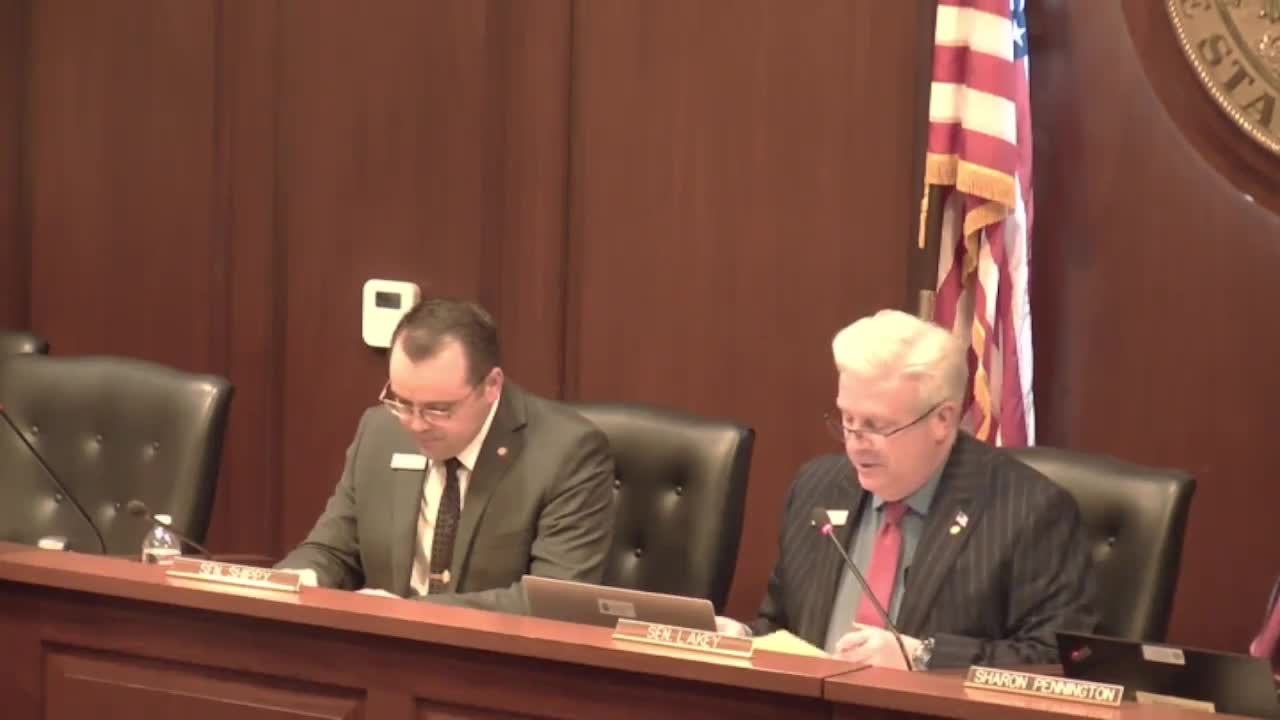
The hearing served as a reappointment presentation; the committee did not vote on the reappointment and the chair said the committee typically votes on appointments at the next meeting.
King described three areas she identified as the office’s strengths: building cross-sector partnerships, producing measurable outcomes from grant-funded prevention programs and expanding the office’s reach across age groups, including college-age adults. She highlighted local partnerships with organizations such as food banks, Head Start of Idaho, Boys & Girls Clubs, YMCAs, libraries and law enforcement as essential to delivering prevention messages.
King told the committee she believes prevention programs must be delivered “by the right person at the right time” and that the office evaluates grant performance. “We know now what works with prevention programs, but more importantly, we know what does not work,” she said, adding that some older programs were ineffective or unintentionally harmful and that ODP now prioritizes evidence‑based, evidence‑informed and promising practices delivered with fidelity.
King also addressed the changing drug landscape and the effect of fentanyl. She said Idaho lost 386 residents to fatal overdoses in 2023, approximately 264 to opioids and 197 to fentanyl overdoses. “That availability, accessibility, and lethality of fentanyl is something that we had never seen before,” King said.
She listed statewide initiatives the office has supported, including sticker-shock campaigns, youth leadership summits, prescription drug take-back events and the Eat Together Idaho campaign, and said the office has expanded programming to include prevention for 18- to 24-year-olds and outreach to parents, caregivers and seniors.
Committee members offered brief praise and questions. Senator Wintro thanked King for the emphasis on prevention and said head‑off efforts will save money in the long run. Senator Foreman asked whether education should be emphasized over enforcement; King replied that education is essential and said law enforcement partners also participate in community education and parent town halls. King said, “We're never gonna arrest our way out of here…we have got to stop it upfront and that is through education.”
King identified three challenges ahead: recruiting and retaining a trained prevention workforce (particularly in rural areas), adapting to rapidly changing drug trends (including synthetic pills, higher‑potency THC, vaping and rising methamphetamine use) and improving parent engagement and empowerment.
King closed by saying she was “humbled and honored to be considered for reappointment,” and the committee chair noted the formal vote will occur at the committee’s next meeting.
Mary Ann King’s presentation and the senators’ questions comprised the substantive public record for the reappointment hearing; no formal action occurred during this meeting.