Get Full Government Meeting Transcripts, Videos, & Alerts Forever!
Get email alerts on the Blind Services Funding topic
No spam. Unsubscribe anytime.
Idaho Commission for the Blind and Visually Impaired briefs committee on services, warns of risk if federal funding changes
Summary
The Idaho Commission for the Blind and Visually Impaired described vocational, transition and independent‑living programs that serve roughly 2,000 Idahoans and told a Senate committee that about 80% of its funding is federal, leaving programs vulnerable to changes at the federal level.
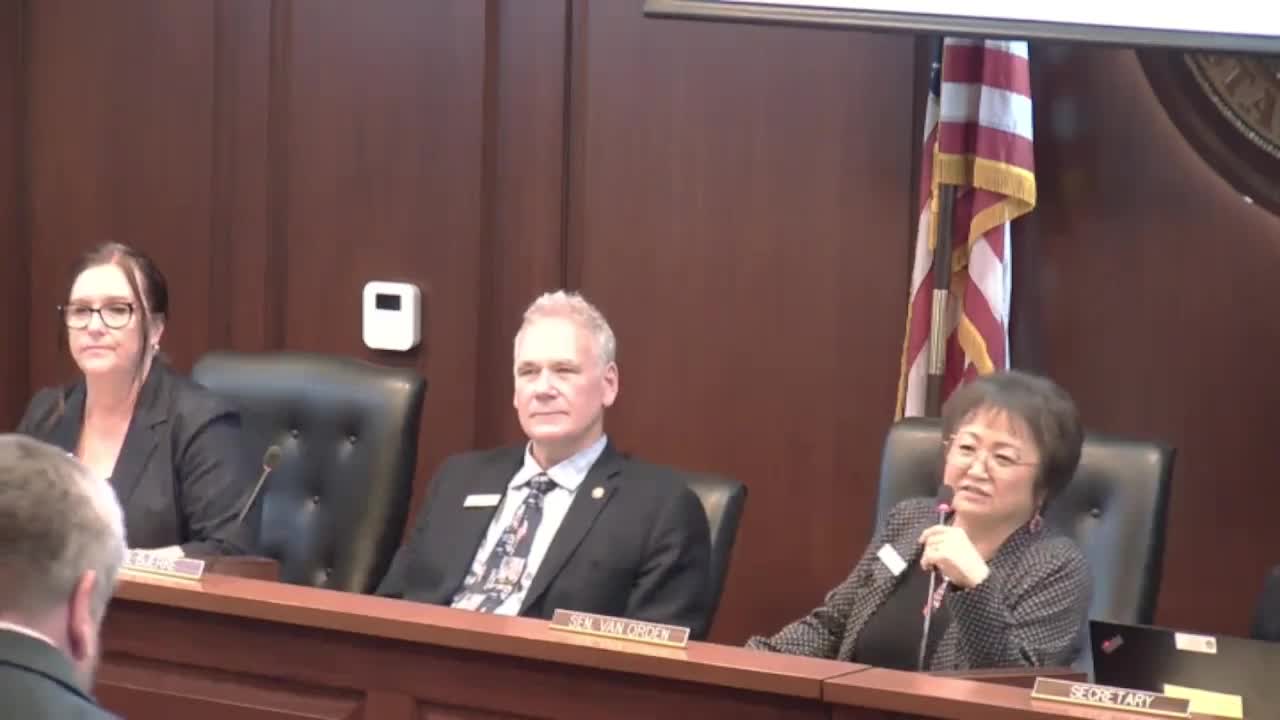
Beth Cunningham, administrator of the Idaho Commission for the Blind and Visually Impaired, and Steve Ochabal, the commission's independent living program coordinator, presented an overview of the commission's programs and funding to a Senate committee.
Cunningham said the commission's mission is to "empower people with disabilities who are blind or visually impaired by providing vocational rehabilitation, skills training, and educational opportunities to achieve self fulfillment through quality employment and independent living." She summarized programs that serve adults, youth and seniors statewide and listed regional offices in Boise, Coeur d'Alene, Idaho Falls, Lewiston, Pocatello and Twin Falls.
The commission described three summer programs for students — work readiness, College Days and the VIEW work‑experience program — and played a brief video with student testimonials. In fiscal year 2024 the commission reported serving clients across vocational rehabilitation, independent living and other programs; presenters said the commission served roughly 2,000 people last year.
Steve Ochabal described independent living services that teach activities of daily living, orientation and mobility (cane travel), assistive technology, and workplace and vocational skills. He also described site‑restoration services funded with state general funds that can assist eligible clients with procedures such as cataract surgery or glaucoma stents. "It's a $5,000 lifetime cap for an individual," Ochabal said of site‑restoration funding.
Cunningham responded to senators' questions about funding structure and risk. She said the commission receives a federal Rehabilitation Services Administration grant directly and that the commission receives roughly 14% of that federal grant; she added the commission receives a separate "older blind" grant administered by Health and Human Services. On the commission's budget breakdown, Cunningham said approximately 80% of the commission's funding is federal, the state general fund contribution is about $1.8 million, and total funding is about $6.27 million.
Senators asked about the potential impact if federal funding changed. Cunningham said a substantial loss of federal funds would have a large impact on services, and noted that the state‑funded site‑restoration program helps roughly 70 to 75 people per year to prevent blindness.
Why it matters: The presentation outlined services that support employment and independence for Idahoans who are blind or visually impaired and flagged potential vulnerability if federal grants are reduced.