Get Full Government Meeting Transcripts, Videos, & Alerts Forever!
Get email alerts on the Dealer Oversight topic
No spam. Unsubscribe anytime.
Portland police and experts urge state licensing, inspections to curb dealer‑linked trafficking
Summary
Portland Police Chief and policy witnesses told legislators most crime guns recovered in Oregon trace to in‑state dealers and argued ATF lacks capacity; they recommended state dealer licensing, stronger inspections, and a code of conduct for sellers to reduce illegal diversion.
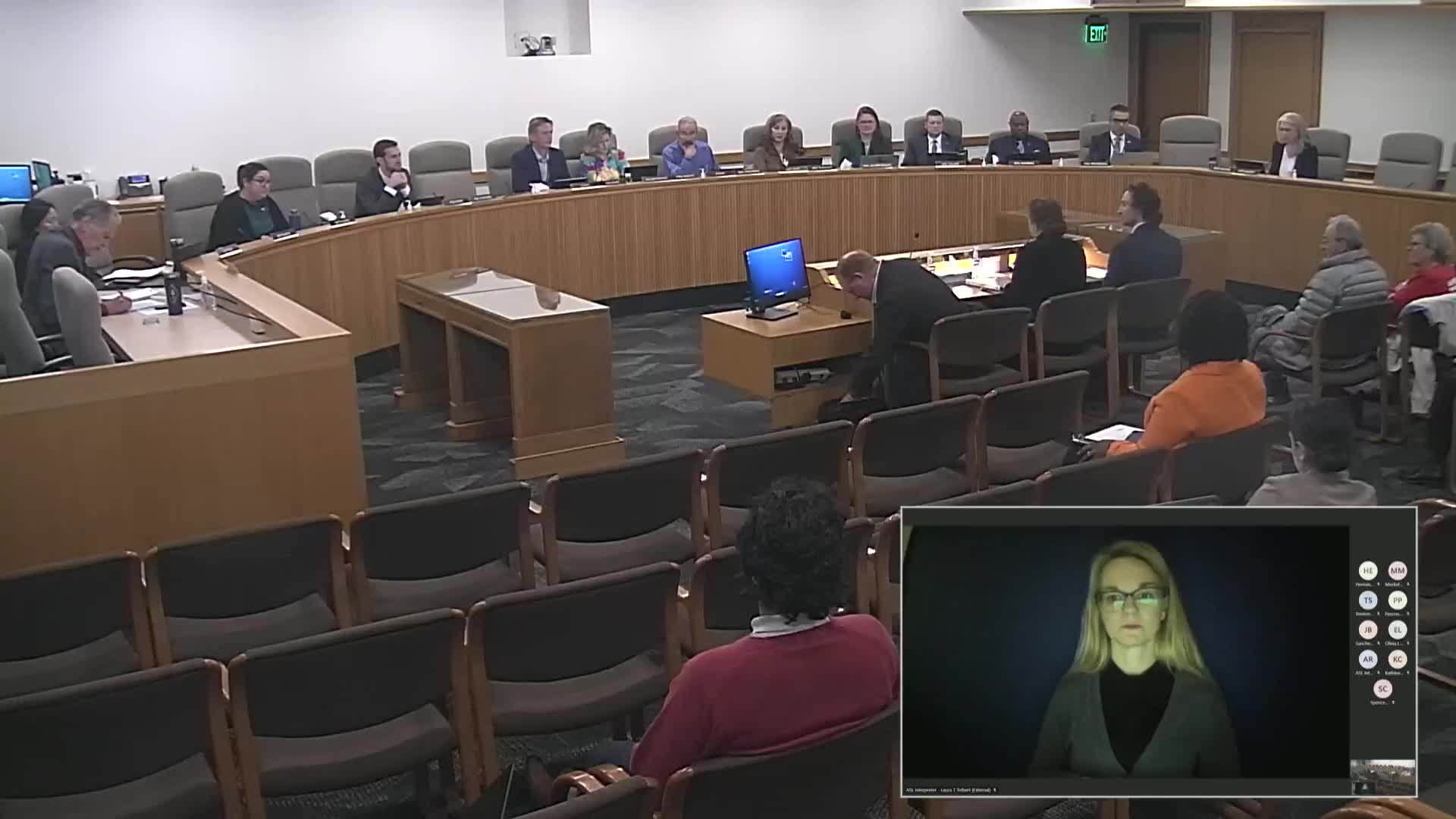
Portland Police Chief Robert Day and public‑policy witnesses told a joint Judiciary Committee informational hearing that most guns recovered in criminal investigations in Oregon are traced to in‑state dealers and that weak federal oversight increases the flow of firearms into the illegal market.
"Portland is just a wash in guns in the hands of the wrong people," Chief Day said, summarizing local enforcement experience and ATF trace data showing large numbers of crime guns recovered in Portland.
Tanya Schart, senior counsel and director of state and federal policy at Brady, told the committees that from 2017 to 2021 about 75 percent of crime guns traced to purchasers were sold by Oregon dealers, a share she described as much higher than neighboring states. Schart said ATF inspection capacity is limited and that in Oregon fewer than 2 percent of dealers were inspected in 2022–2023; she recommended a state licensing regime with inspection and enforcement authority and a dealer code of conduct that would include recordkeeping, security and employee training requirements.
Why this matters: witnesses and community practitioners said reducing diversion at the retail level cuts the supply of illegal firearms and improves community and officer safety. Chief Day and others said dealer licensing would mirror state regulation applied to other industries and cited evidence from other states where strengthened dealer rules reduced thefts and interstate trafficking.
Details and proposals: witnesses discussed several specific tools that states use to reduce diversion: mandatory licensing, routine inspections, mandated security measures, recordkeeping standards, and penalties for repeated violations. Schart cited studies showing intrastate trafficking drops where oversight laws are stronger and pointed to Illinois as an example where improved security and inspection reduced stolen guns from dealers.
Limits and questions: witnesses noted federal oversight remains central—ATF issues federal licenses—but said ATF staffing shortages and policy choices limit effective enforcement; they urged state action to fill gaps. Chief Day said many crime guns were initially sold within 25 miles of recovery locations and called for better public records access to trace dealer practices.
Next steps suggested: enact a state dealer licensing and oversight framework, add security and recordkeeping standards, fund inspections and enforcement, and consider a statewide office to coordinate gun‑violence prevention work. No formal legislative action was taken at the hearing; testimony was informational and committee staff will post follow‑ups.