Get Full Government Meeting Transcripts, Videos, & Alerts Forever!
Get email alerts on the Arts Grants And Budget topic
No spam. Unsubscribe anytime.
Commission on the Arts seeks modest funding to expand arts‑education grants; highlights $880,000 in grants and $2.7B economic impact
Summary
The Idaho Commission on the Arts told JFAC it distributed roughly $880,000 in grants across 38 counties and is requesting $18,400 in ongoing general fund to add four arts‑education grants in FY 2026; the director highlighted the arts’ $2.7 billion statewide economic impact and 22,000 jobs.
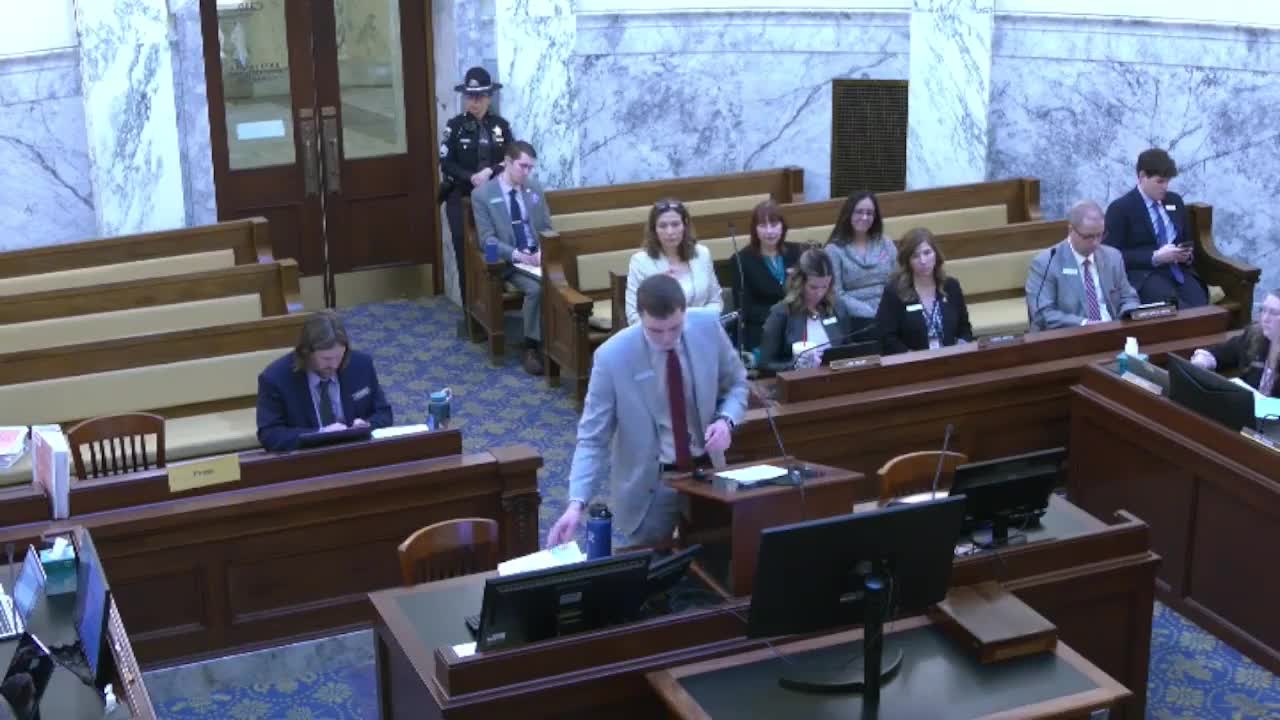
The Idaho Commission on the Arts told the Joint Finance‑Appropriations Committee on Feb. 6 that it distributed about $880,000 in grants in the prior fiscal year to 215 awardees across 38 counties and is requesting $18,400 in ongoing general fund for FY 2026 to expand arts‑education grants by four awards.
Kellen McGurkin, the committee analyst, summarized the commission’s budget: approximately half of the agency’s appropriation is general fund and half is federal National Endowment for the Arts (NEA) funds; a small dedicated fund receives irregular donations and conference fees. The commission received a Creative West donation in recent years; the gift was matched by general fund and federal NEA funds in FY 2024 and some of those one‑time monies were removed from the base in FY 2025. The commission requested a modest ongoing general‑fund increase of $18,400 to increase the state match available for NEA‑related arts‑education grants.
Director Laura Curry highlighted the economic role of the arts in Idaho — she said the arts represent about $2.7 billion in annual economic activity and roughly 22,000 jobs — and described grant work that reaches schools and communities statewide. The commission reported grant recipients are typically K–12 schools and nonprofit organizations; awardees must provide a one‑to‑one match and projects are chosen through a competitive application process.
Committee members praised the program’s reach into many counties and thanked the commission for its work. The commission said it will use the requested funds to expand arts‑education opportunities and continue technical assistance and grant management.