Get Full Government Meeting Transcripts, Videos, & Alerts Forever!
Get email alerts on the Environment Appointments topic
No spam. Unsubscribe anytime.
Dennis Lecombe, nominee from Idaho Falls, tells senators he favors collaborative, science-based regulation; confirmation vote deferred
Summary
Dennis Lecombe, a registered geologist and nominee to the Idaho Board of Environmental Quality, told the Senate Health and Welfare Committee he supports a collaborative, science-based approach to regulation and would prioritize compliance with statute while allowing flexibility for operators. The committee deferred a confirmation vote.
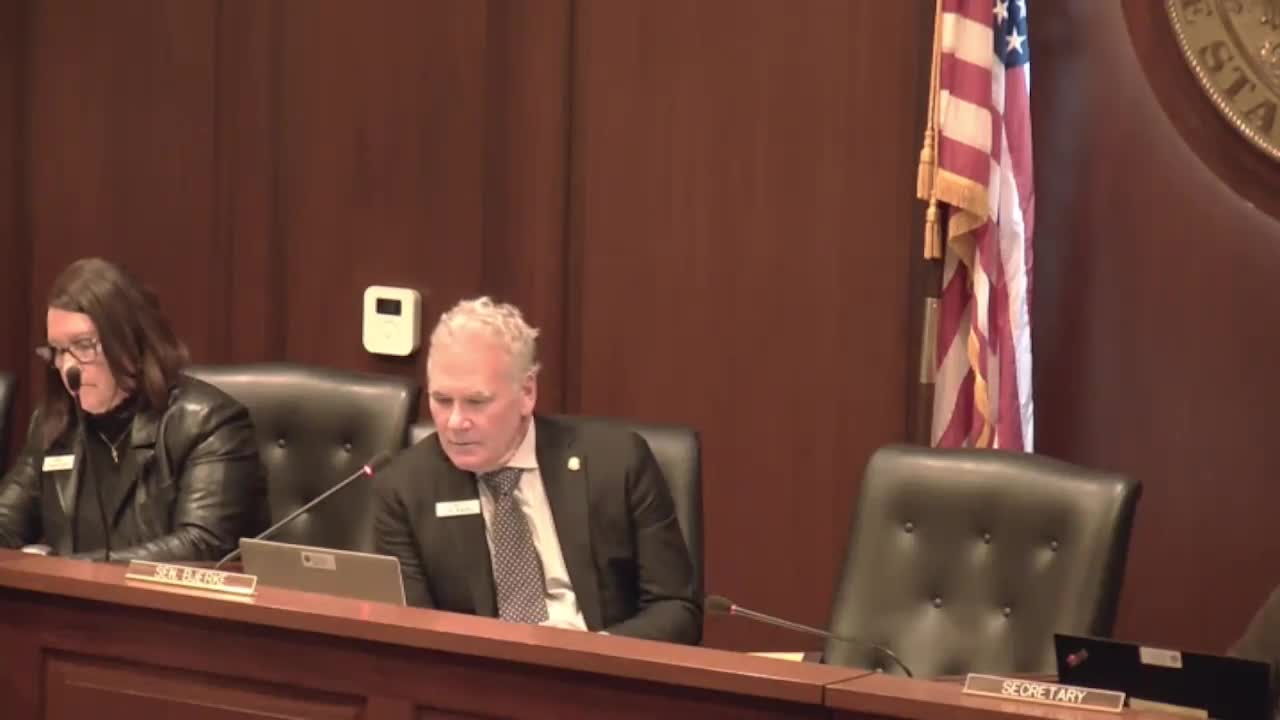
Dennis Lecombe of Idaho Falls appeared before the Idaho Senate Health and Welfare Committee on Oct. 15 as the governor’s nominee to the Idaho Board of Environmental Quality and described a collaborative, science-based approach to regulation in his testimony. The committee did not vote on his nomination and said it will schedule a confirmation vote at a later date.
Lecombe, introduced to the committee as a registered geologist with a master’s degree in geology and more than 20 years of experience in environmental management, said his early experience in Idaho set a different tone from other states where agency interactions were often adversarial. "It's a system of collaboration that both protects the environment and allows businesses to thrive," he said.
Why it matters: The Board of Environmental Quality advises on state environmental rules and permits; members’ approaches can influence how the department and regulated entities implement statute and protections.
Lecombe told senators he has worked in environmental management for more than two decades, is a registered geologist in Idaho and California, and has lived in Idaho about seven years. He offered examples from his work on water reuse at Idahoan Foods and said there are opportunities for farmers and processors to conserve and reuse water: "We reuse our water four times maybe on average inside the plant before we finally send it out to our recycling project," he said.
On agricultural priorities, Lecombe pointed to water availability and fertilizer-management practices, observing that excess nitrogen can be costly to farmers and harmful to groundwater. He cited the Potato Sustainability Alliance as an example of an organization working on fertilizer benchmarking and application rates.
When asked how he would approach permitting and regulation on the board, Lecombe said he favors giving operators flexibility to meet compliance goals rather than prescribing exact methods. "I kind of like a less prescriptive approach and a more creative approach," he said, adding that permits should comply with law and allow operators to implement solutions that meet environmental standards.
The committee did not take a vote on Lecombe's nomination. Senators thanked him for his willingness to serve and said they would notify him of the appointment vote date.
Lecombe answered questions from Senators Shippey, Wintrow and Zatterfield on water and agricultural issues and described his business background and regulatory outlook. The committee left the nomination pending a future vote.