Get Full Government Meeting Transcripts, Videos, & Alerts Forever!
Get email alerts on the Administrative Rules topic
No spam. Unsubscribe anytime.
DFM bureau chief walks senators through Idaho rulemaking process and temporary‑rule timing
Summary
Lauren Smizer of the Division of Financial Management explained the five‑step rulemaking process to the Senate Health and Welfare Committee, clarified the difference between temporary and pending rules and noted final rules are scheduled to become effective July 1, 2025 unless the legislature acts otherwise.
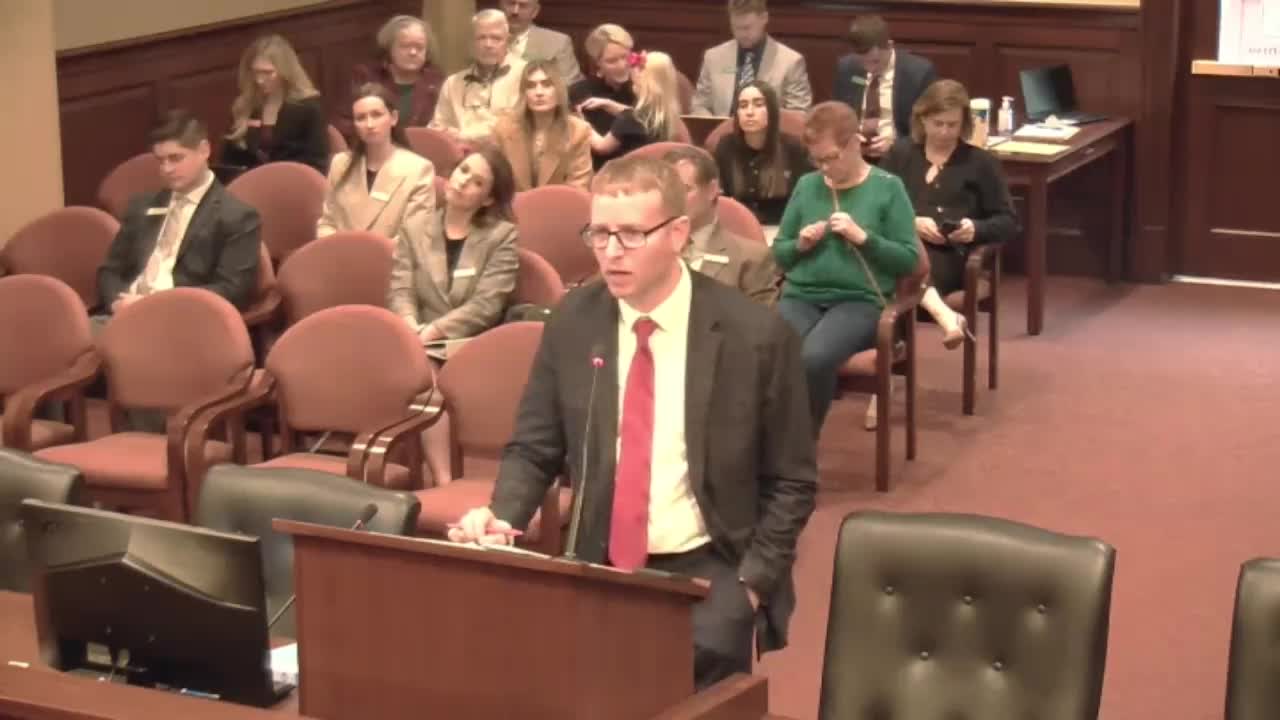
Lauren Smizer, bureau chief at the Division of Financial Management, briefed the Senate Health and Welfare Committee on how administrative rules move from proposal to final adoption and why the committee’s review matters.
Smizer outlined a five‑step process that begins with negotiated rulemaking and a proposed rule, proceeds through public comment and publication of a pending rule, and concludes with final rules that — unless a concurrent resolution says otherwise — will take effect July 1, 2025. She emphasized that temporary rules generally take effect immediately and that many temporary rules in the committee’s temporary‑rule book have corresponding pending rules that will take effect on the July 1 date.
Why it matters: Legislators exercise constitutional oversight over agency rules. The committee will review pending and temporary rules from the Department of Health and Welfare the following day; understanding the temporary/pending distinction helps senators decide whether to approve, reject or refer rules for revision.
Key points from the overview
- Foundation of authority: Smizer said the Idaho Constitution (she referenced Article III, Section 29) gives the legislature the authority to review rules, and agencies adopt rules under the Administrative Procedures Act (Idaho Code Title 67, Chapter 52). - Types of rules: Proposed rules (first drafts), pending rules (final drafts for legislative review), final rules (effective July 1, 2025 unless a concurrent resolution states otherwise), and temporary rules (which typically become effective immediately and often have corresponding pending rules). - Process timeline: Agencies publish an initial notice for negotiated rulemaking, publish a proposed rule in the bulletin and accept at least 21 days of public comment, negotiate as needed, and then publish a pending rule for legislative review. Smizer noted that the pending rule book in the committee packet contains rules that have already completed earlier steps of the process. - Transparency and resources: Smizer pointed senators to adminrules.idaho.gov and the legislature’s website for rule documents, and she highlighted Town Hall Idaho as a resource for public engagement. She also offered the DFM rules team’s assistance during the committee’s review.
Committee questions and next steps
Senators raised questions about temporary rules and the gap between a temporary rule’s immediate effect and the pending rule’s July 1 effective date; Smizer explained that temporary rules with corresponding pending rules remain in effect until the pending rule becomes final on July 1, 2025. She told the committee staff from her office would be present to assist during the rules review session the next day.
Ending: The committee closed the hearing with a reminder that it will begin review of Health and Welfare’s administrative rules the following day.