Get Full Government Meeting Transcripts, Videos, & Alerts Forever!
Get email alerts on the Administrative Law topic
No spam. Unsubscribe anytime.
Board of Tax Appeals seeks $29,200 to raise member per diem from $300 to $400
Summary
The Board of Tax Appeals requested legislation to raise per diem pay for its three members, citing part‑time workload and prep time; the board also described a typical caseload of about 300 appeals annually and occasional large surges.
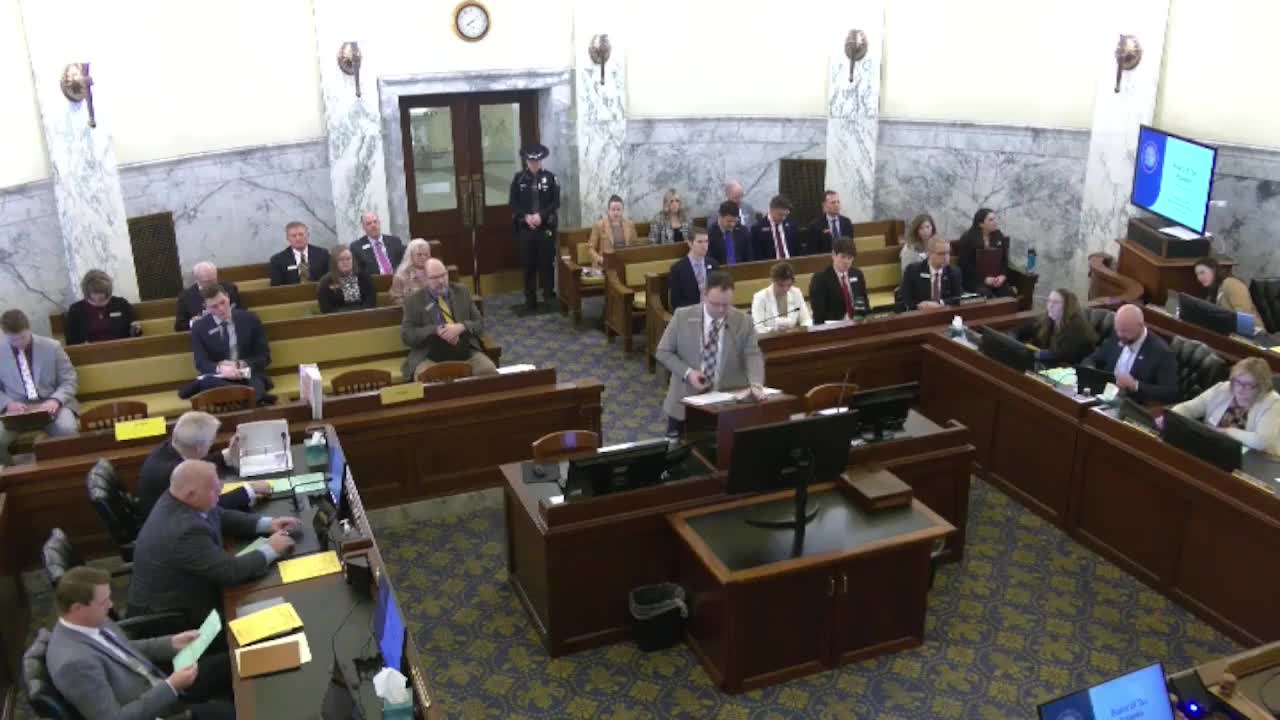
The Board of Tax Appeals on Wednesday asked the Joint Finance-Appropriations Committee for a $29,200 ongoing increase to raise per‑diem pay for its three board members from $300 to $400 per day.
Christopher LaHozet, budget and policy analyst with the Legislative Services Office, said the board requested the increase to raise the equivalent hourly rate from about $37.50 to $50 based on an 80‑day annual schedule the agency uses when budgeting board time. “The three board members act as administrative law judges who preside over public tax appeals hearings around the state,” LaHozet said. He noted the change would require legislation to amend Idaho Code section 63‑3804.
Director Cindy Pollock told committee members the board is funded for roughly 80 days of member work per year and that members perform hearing preparation and decision‑writing outside the hearing day. Pollock described a typical annual caseload of about 300 appeals, with large and variable surges in some years — for example, several hundred appeals from a single county after a local catastrophe. She said many cases are one‑day hearings, some last longer (commercial hearings can extend a week), and about 39% of appellants in a 10‑year average obtained a modification in their favor.
Members pressed whether the agency will revert unspent funds and whether the requested increase is justified while the agency sometimes reverts monies at year end. Pollock responded the per‑diem rate applies when time is used; if time is not used the appropriation reverts. She also said the board’s members require substantial training and take roughly a year to be able to conduct hearings independently.
No formal action was taken; committee members asked follow‑up questions and the director closed by noting the agency relies on a small cross‑trained staff to process hundreds of cases and produce decisions that can run 20 pages or more.