Get Full Government Meeting Transcripts, Videos, & Alerts Forever!
Get email alerts on the Education Advanced Opportunity topic
No spam. Unsubscribe anytime.
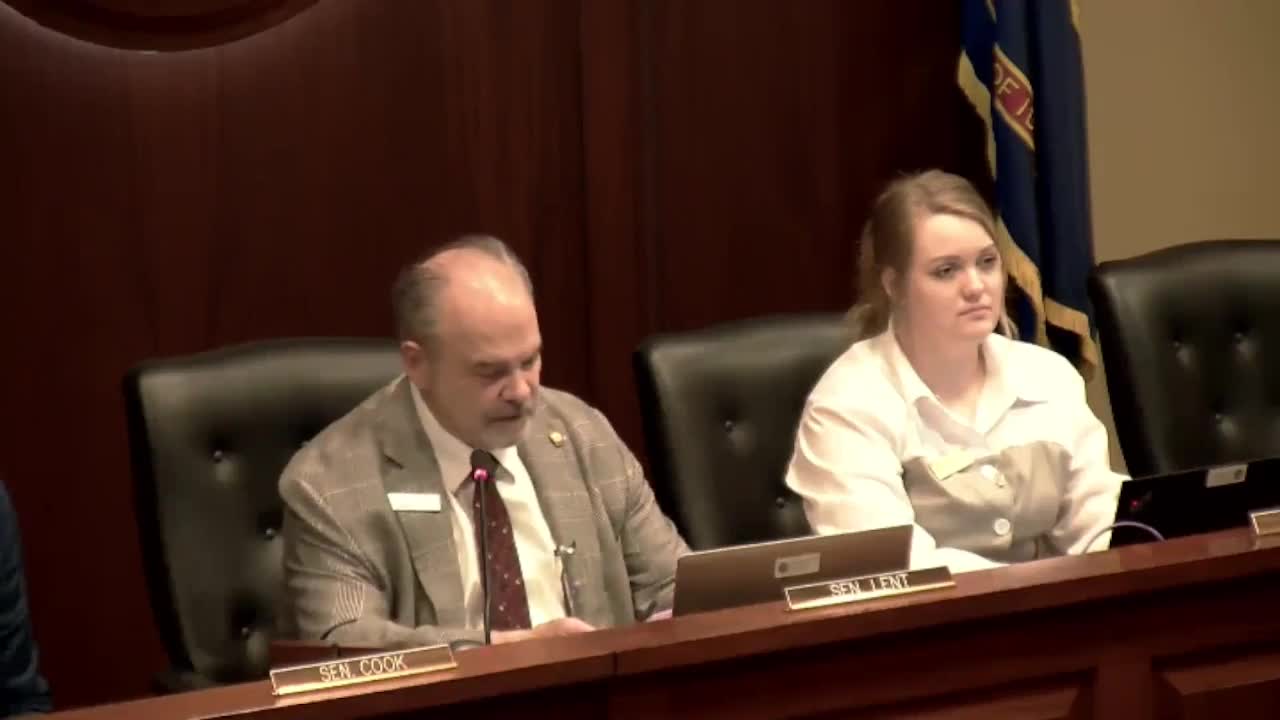
Senate committee forwards House Bill 175 to floor to expand Advanced Opportunity access for homeschoolers
Summary
A Senate committee voted to send House Bill 175, as amended, to the Senate floor with a due-pass recommendation after a brief hearing. The bill lets homeschool students access the state's Advanced Opportunity program directly through community colleges, clarifies testing rules and adds technical alignment between public and private school program
A Senate committee voted to send House Bill 175, as amended, to the Senate floor with a "due pass" recommendation after a brief hearing in which sponsors said the bill would make it easier for homeschooled students to use the state's Advanced Opportunity program and would allow students to retake college entrance exams.
Senator Janie Ward Engle King, District 18, who presented the bill, said the measure creates a direct pathway for homeschool students to access Opportunity Scholarship funds through community colleges instead of working through a local public school. "This is the advanced opportunity and how we, deal with, students, both homeschoolers, public school students, and private school students, how they access Opportunity Scholarship money," Ward Engle King said.
Ward Engle King told the committee the bill includes three main changes: a route for homeschoolers to enroll directly through community colleges, an explicit allowance for students to take college entrance exams more than once, and a set of technical edits to align administration across public and private schools. "This will just make it easier for them ... the state department will send the money directly to the community college, and they will be in charge of getting themselves registered," she said.
The senator said the bill clarifies that students may retake college entrance exams. "A lot of times, students score much better the second time around than they did on the first time," Ward Engle King said, and noted institutions' testing policies have shifted since the pandemic.
Committee questions were limited. Senator Markley asked how homeschoolers would access program information if they choose not to work through a local high school; Ward Engle King replied they may still go through public schools or charters but some families prefer the community college route.
Senator Burton Shaw asked whether the state typically pays examination costs. Ward Engle King responded that students have a set amount of money they can use and that the funds may cover dual-credit tuition and tests; she said the cap for private-school participation was raised previously but did not specify a definitive dollar figure during the hearing.
The bill also requires private school students to consult with a counselor after earning 15 credits through Advanced Opportunity so the credits are aligned with a career pathway, Ward Engle King said. The sponsor described the other edits as "technical changes" made with the State Department of Education to align program administration and to change the statutory term "tuition and fees" to "educational costs" to match existing Opportunity Scholarship code.
No members of the public testified. Senator Ward Engle King moved to send House Bill 175, as amended, to the Senate floor with a due-pass recommendation; the motion was seconded and approved by voice vote. The committee chair said the panel planned to meet again the following day at 2:00 p.m.
The committee action was a procedural step that advances the bill to a full Senate floor consideration; no final enactment or implementation date was announced during the hearing.