Get Full Government Meeting Transcripts, Videos, & Alerts Forever!
Get email alerts on the Species Conservation topic
No spam. Unsubscribe anytime.
Office of Species Conservation seeks grant flexibility as federal planning shifts complicate sage‑grouse efforts
Summary
The Office of Species Conservation told JFAC it has significant federal grant activity (including IIJA funds), relies on trustee/benefit pass‑throughs, and is requesting a small increase to its miscellaneous revenue appropriation to pursue non‑federal grants while warning of federal NEPA and administrative changes affecting sage‑grouse planning.
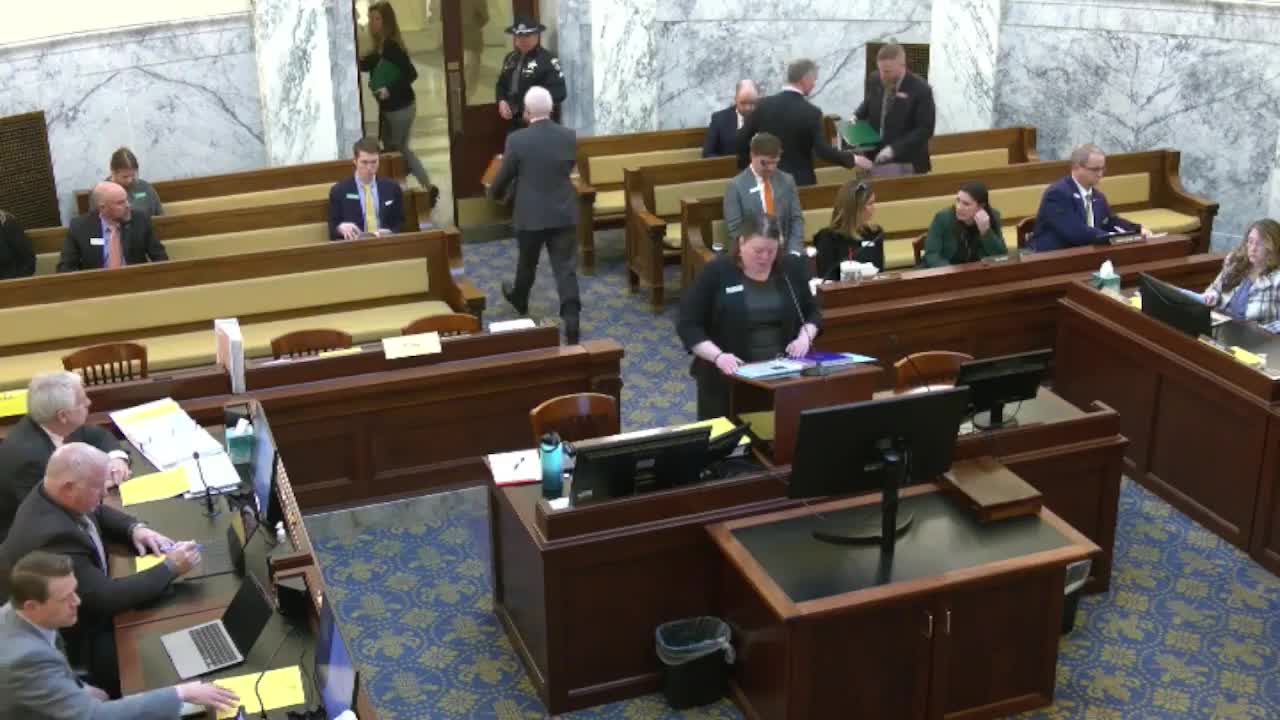
The Office of Species Conservation told the Joint Finance‑Appropriations Committee on Oct. 23 that much of its activity is funded by federal grants and that recent federal funding rounds created large appropriations with delayed spending. Administrator Mike Edmondson asked the committee to allow modest increases to the office’s miscellaneous revenue authority to pursue non‑federal grants.
Edmondson said the office was created by the legislature to plan and coordinate state actions related to species that are candidates, threatened or endangered under the federal Endangered Species Act. The office is allocated 16 full‑time positions and in FY25 expended about 14% of its appropriation on personnel; trustee and benefit payments in FY24 were predominantly federal funds passed through to projects.
Why it matters: The office is a central state coordinator for species recovery actions. Large federal grant awards, especially from the Infrastructure Investment and Jobs Act (IIJA), have caused spikes in appropriation that may not be immediately expended; the office told the committee it reduced appropriation requests where federal grant timing changed and requested modest additional miscellaneous revenue authority ($30,000) to pursue non‑federal sources.
Federal planning, NEPA and sage‑grouse Edmondson said federal regulatory and administrative changes—particularly the administration‑level shifts that affect Endangered Species Act listings and National Environmental Policy Act (NEPA) processes—create “whiplash” for multi‑year planning such as sage‑grouse resource management plans. He urged completing lingering NEPA and resource management plan steps to reduce perpetual planning and bring finality for grazing permit holders, producers and local stakeholders.
Budget mechanics and requests Legislative analyst Janet Jessup explained that the office received about $5 million in federal appropriations in 2023 tied to IIJA and other federal grant activity; those funds were not all expended in FY23 and therefore agencies often revert unspent appropriation while retaining available cash until projects commence. Edmondson thanked the committee for a fiscal specialist position approved last year and asked for the requested $30,000 increase in the miscellaneous revenue fund to allow the office to accept and administer additional nongovernmental grants and donations.
Ending Edmondson said the office will continue coordinating habitat and species work and expressed appreciation for staff who helped track federal funding and expenditures.