Get Full Government Meeting Transcripts, Videos, & Alerts Forever!
Get email alerts on the Board Of Tax Appeals topic
No spam. Unsubscribe anytime.
Board of Tax Appeals seeks $29,200 to raise members’ per diem from $300 to $400; director says board works about 80 days a year
Summary
The Board of Tax Appeals requested an ongoing $29,200 to raise member per diem to $400 per day; the board, which has four full-time positions and averages about 300 cases annually, told the Joint Finance panel that members do prep and decision-making outside hearing days.
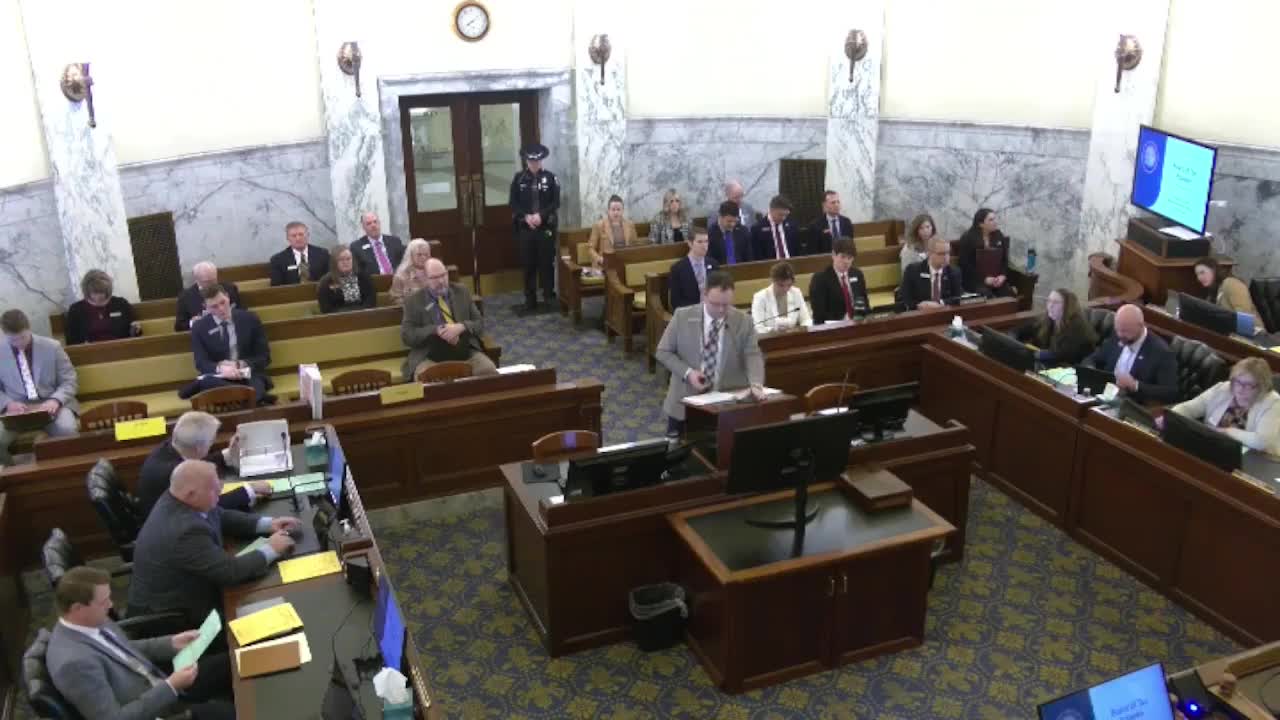
BOISE — The Board of Tax Appeals asked the Joint Finance-Appropriations Committee for an ongoing budget increase to raise board member per diem from $300 to $400 per day, a change the agency says reflects the workload and qualifications required of part-time, quasi-judicial board members.
Christopher LaHozet, a budget and policy analyst with the Legislative Services Office, summarized the agency’s request: $29,200 in ongoing personnel costs from the general fund to increase the per diem for three board members who preside over hearings. The agency’s materials say the current $300 per day equates to about $37.50 per hour under the board’s model; the requested $400 per day would equate to about $50 per hour assuming an 80-day-per-year schedule.
Why it matters: The three-member board hears appeals from taxpayers against the Idaho State Tax Commission and county boards of equalization; the board’s decisions are quasi-judicial and can include lengthy written findings.
Key details
- Legal authorization: The agency’s authority was cited as Idaho Code §63-3801; LaHozet said the per diem change would require legislation to amend Idaho Code §63-3804.
- Staffing and funding: The Board of Tax Appeals currently has four full-time positions, had a reduced FTP in FY2023, and is primarily funded from the general fund. Historically, approximately 80% of expenditures are for personnel costs and 12% for operating expenditures.
- Caseload and operations: Director Cindy Pollock told the committee the agency is typically funded for about 300 cases annually but caseloads vary — the agency has sought supplements during spikes (one year Bannock County produced about 600 appeals). Pollock said many hearings are scheduled for a day, some commercial hearings can run a week, and that board members perform prep and decision work in addition to hearing time.
- Board work model: “The board is only allowed to work 80 days. They’re funded for 80 days,” Director Cindy Pollock said. She described an internal model where hearing, prep and decision-making is broken into hourly components so the board can complete mandated work from August through the statutory decision deadline of May 1.
Questions from members
Committee members asked whether per diem covers prep time, why a pay increase is necessary given recent reversions and whether state funds are available to cover the change. Pollock said board members require a year of training before handling hearings, attend judicial college training, and often are experienced attorneys, appraisers or accountants. She acknowledged the agency reverts unused funds when fewer hearings occur but said the requested increase compensates for the work and recruitment/retention needs.
Ending
No formal action was taken during the hearing. The agency’s request, including the statutory change required for per diem, will be considered as the budget process advances.