Get Full Government Meeting Transcripts, Videos, & Alerts Forever!
Get email alerts on the Courts Magistrate Duties topic
No spam. Unsubscribe anytime.
Magistrate judges tell Senate panel on-call duties, mental-health caseloads and tech limits
Summary
Magistrate judges told the Idaho Senate Judiciary and Rules Committee that on-call duties require frequent after-hours warrant work, travel across large districts, and that unmanaged mental health increases pressure on family, criminal and child-protection dockets. Judges praised remote tools but said capacity and connectivity limit benefits.
Magistrate judges told the Idaho Senate Judiciary and Rules Committee on the floor of Committee Room WW54 that on-call duties, travel between counties and rising mental-health needs are creating heavier and more complex workloads for Idaho’s trial-level judiciary.
“Being a magistrate is not a job, it’s a way of life,” Ada County Magistrate Judge Reagan Jamieson said as she listed the after-hours responsibilities that can require judges to take calls in the middle of the night to determine probable cause and sign arrest, search or removal orders.
The presentation explained that magistrates handle many first-response criminal matters — including arrest and search warrants, probable-cause hearings for weekend arrests and emergency child removals — and must balance suspects’ constitutional protections with timely law-enforcement needs. Jamieson told the committee that Ada County magistrates signed roughly 2,556 warrants in 2024 and handled on average about 18 after-hours and weekend calls per rotation, with weekend probable-cause hearings often lasting more than an hour.
Judge Jamieson described the typical after-hours process: law enforcement or a prosecutor contacts the on-call magistrate, the judge reviews the facts for probable cause and, if satisfied, issues an arrest or search warrant that allows officers to act immediately. She said many misdemeanor arrests that are not witnessed by police require a magistrate finding of probable cause before an arrest can be made.
Judges from rural and large geographic districts said travel time and docket size create extra burdens. Butte County Magistrate Judge Neil Randall described a Seventh Judicial District that covers more than 20,000 square miles and said judges routinely travel between counties. He said his trial-court administrator allocates about 200 “windshield hours” annually for travel but that the real total, in practice, is likely about twice that. “Most of our judges are handling other matters in the district at one time or another,” Randall said.
Judges said remote tools have reduced travel but introduced new problems. Randall and other judges said video hearings via Zoom and electronic case files let them review matters remotely and reduce commute time, but they also reported participant noncompliance and connectivity issues. Jamieson said judges now often sign electronically: prosecutors send a warrant and complaint to the judge’s laptop and the judge can add an electronic signature. But judges also noted recurring Wi-Fi and firewall problems with the statewide case-management system.
“Odyssey is a great tool when it’s up,” Judge Randall said, referring to the statewide case-management platform by name, adding that intermittent connectivity problems require coordination with court IT staff and county technicians.
Nez Perce County Magistrate Judge Karen Siebert told senators that unmanaged mental health is a crosscutting strain on multiple dockets. She described effects in family law — where parental mental-health problems can impair co‑parenting and lead to court intervention — in criminal dockets, in juvenile proceedings and in child-protection cases where neglect or incapacity can lead to out-of-home placements. Siebert also outlined capacity limits in specialty treatment programs, saying, “There is always an unmet need,” and noting that many people who could benefit from mental-health courts or other treatment courts are turned away because resources are limited.
Siebert described state and local coordination efforts, including the Idaho Behavioral Health Council and a local sequential-intercept model workshop that spawned continuing stakeholder meetings in Nez Perce County. She said those efforts aim to improve local capacity for competency restoration, diversion and wraparound services.
Committee members asked judges about remote testimony, how to distinguish misdemeanor from felony injuries in domestic-battery calls, how judges handle recusals in small communities and how vacations are covered when a single magistrate serves a remote county. Judges said senior judges and cross-coverage are used to fill gaps but that demand has increased with drug cases, mental-health crises and rising juvenile and civil-protection volumes.
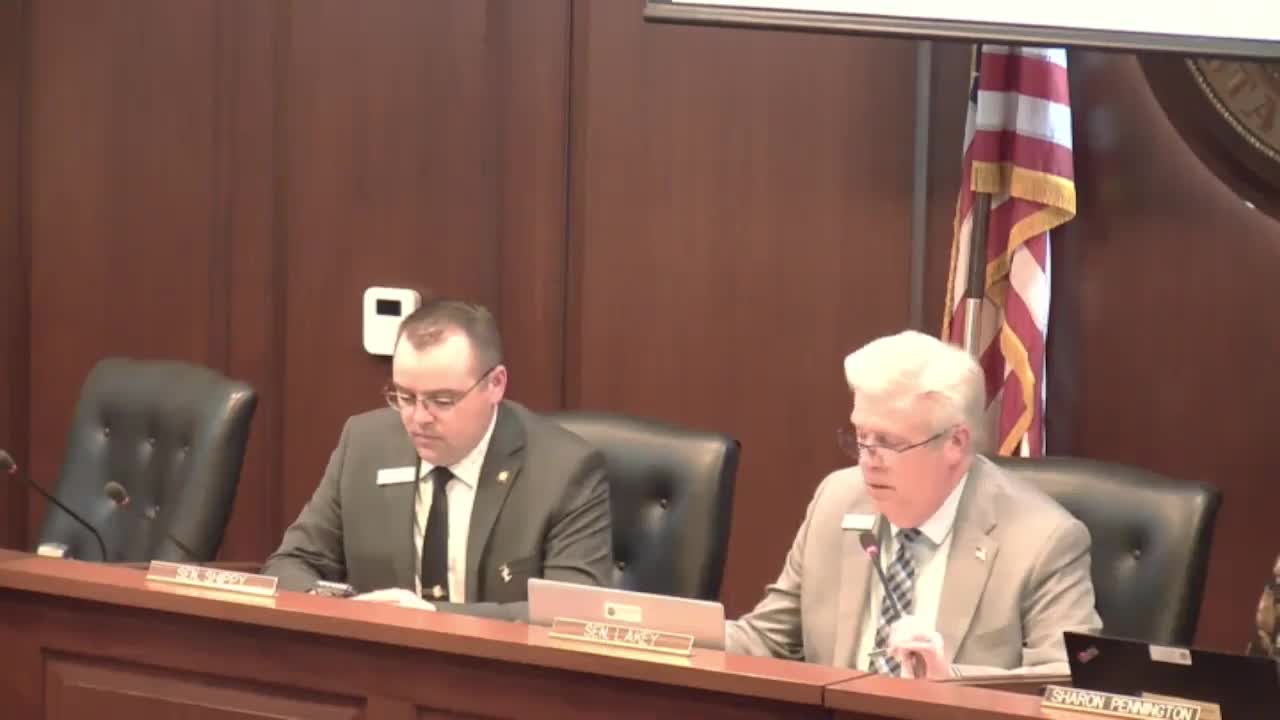
The committee did not take action on the judges’ presentation. Chairman Todd Lakey and Vice Chairman Senator Shippey thanked the judges for the briefing; the committee recessed and later adjourned after the presentations concluded.