Get Full Government Meeting Transcripts, Videos, & Alerts Forever!
Get email alerts on the Psychiatric Hospitals topic
No spam. Unsubscribe anytime.
Officials report accreditation gains, rising civil-commitment costs and waitlists at state psychiatric hospitals
Summary
Department officials told the joint committee that all three state hospitals are accredited, billing for Medicaid is beginning to generate receipts, but civil-commitment and restoration-to-competency cases have grown and are increasing costs and bed demand.
Lawmakers heard Friday that all three state psychiatric hospitals in Idaho have received accreditation and that Medicaid billing has begun to generate receipts, but increased civil-commitment and restoration-to-competency caseloads are raising costs and pushing patients onto waitlists.
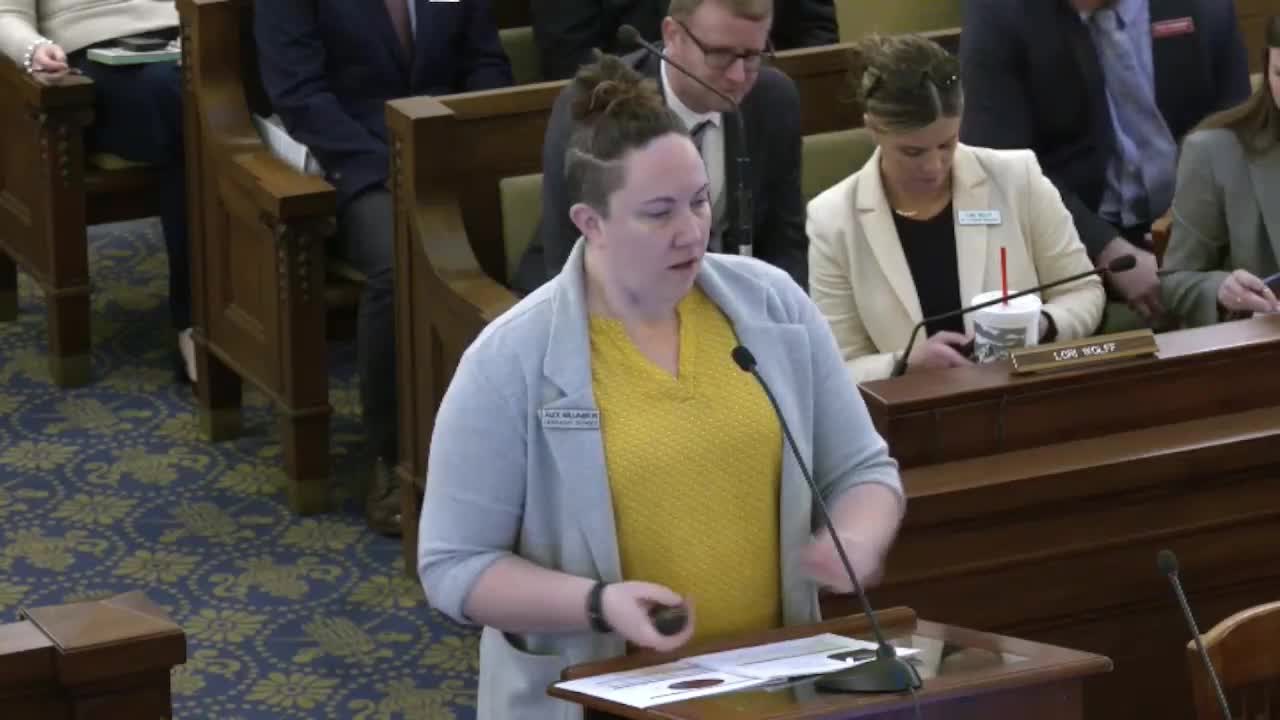
Alex Williamson, budget and policy analyst with the Legislative Services Office, told the Joint Finance-Appropriations Committee that State Hospital South (Blackfoot), State Hospital North (Orofino) and State Hospital West (Nampa) provide short- and long-term residential care and that the division is authorized 467 full-time positions. Williamson said accreditation delays in prior years caused the hospitals to shift fund sources and seek additional general fund support when federal billing was not possible.
Director Alex Adams told the committee that accreditation allows facilities to bill Medicaid, creating general fund savings because federal Medicaid receipts offset state costs. Adams said State Hospital West has billed $1.6 million and received $1.3 million in receipts to date. Committee members asked whether those billing receipts reduced overall general-fund pressures; Adams said full-year savings will not be visible until facilities have a full year of billing after accreditation.
Committee members focused on civil-commitment expenditures tied to Senate Bill 1327 of 2022, which shifted responsibility for certain mental-hold and commitment costs from counties to the state. The department requested a $2,600,000 one-time general fund supplemental for civil-commitment expenditures in fiscal 2025, citing higher-than-anticipated use of mental holds and commitments. Ross Edmonds, administrator for the Division of Behavioral Health, told the committee the number of holds submitted by law enforcement and health-care professionals increases year over year; civil commitment totals have been relatively flat while restoration-to-competency cases have surged. Edmonds said restoration-to-competency cases have increased roughly 600% over 10 years and now fill a majority of some facility beds; he reported that about 75% of beds at State Hospital North are occupied by restoration-to-competency cases.
Adams and Edmonds described the 60-day federal billing rule that affects reimbursement: Medicaid will reimburse stays of 60 days or less, but not for stays longer than 60 days. Adams told lawmakers the share of admissions exceeding 60 days rose from about 17% to 37%, producing additional state cost when federal billing is disallowed.
On staffing, Adams said vacancy rates differ by hospital: State Hospital West reported 0% vacancy in the department's figures, State Hospital South about 2.8% vacancy, and State Hospital North about 11.5% vacancy. Adams attributed improvements in retention and recruitment to prior committees' cost-of-living adjustments targeted to clinical staff.
Committee members asked what could be done to moderate rising civil-commitment costs. Adams and Edmonds emphasized prevention, crisis response and capacity improvements, noting the Idaho Behavioral Health Plan and mobile crisis capacity are intended to reduce escalations that lead to holds. No formal committee votes were recorded during the hearing.
The department said it will supply additional budget detail and full-year billing data so lawmakers can better measure the fiscal effect of accreditation and the growing restoration caseload.