Get Full Government Meeting Transcripts, Videos, & Alerts Forever!
Get email alerts on the K 12 Education Lewiston topic
No spam. Unsubscribe anytime.
Lewiston school leaders highlight community engagement, accreditation and K–3 reading gains
Summary
Lewiston Independent School District No. 1 presented districtwide accreditation, community work groups and K–3 reading progress; superintendent Lance Hanson said the district serves about 4,500 students and faces a roughly $5 million special-education funding gap.
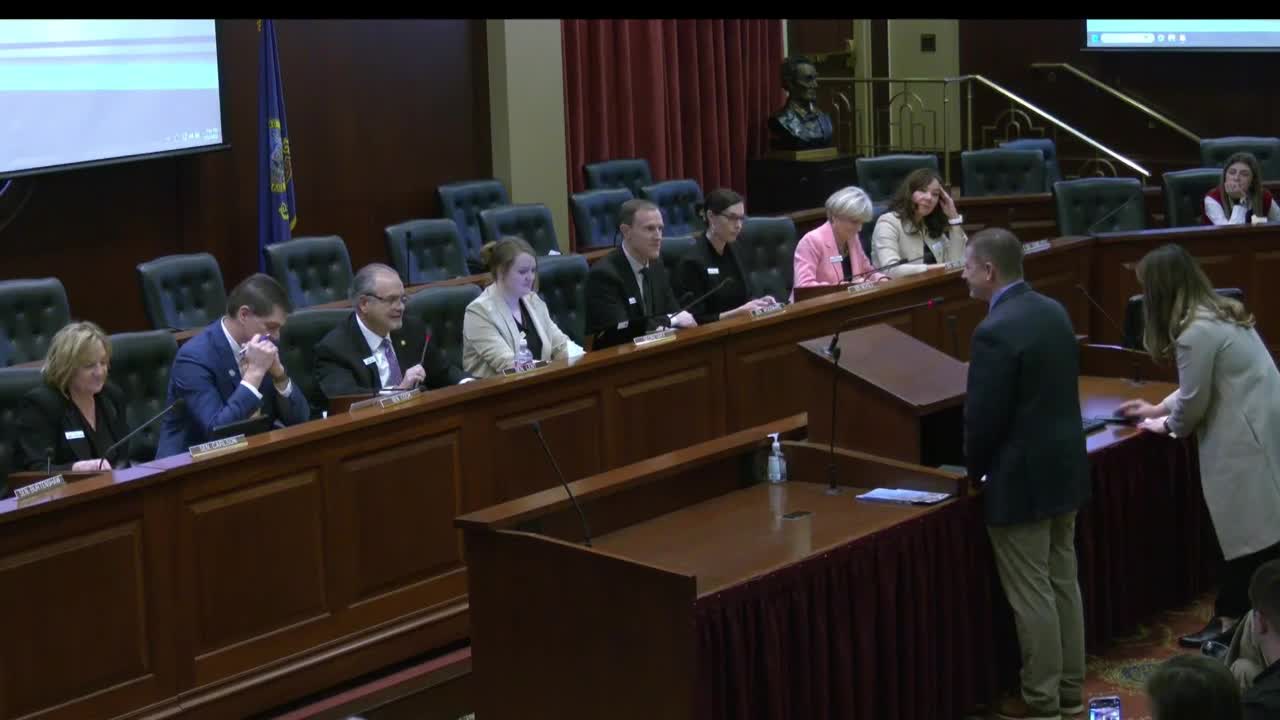
Lance Hanson, superintendent of Lewiston Independent School District No. 1, and Charlotte Kramer, vice president of the Lewiston School Board, told the Senate Education Committee that community engagement and systemwide accreditation have helped the district drive student progress.
Hanson said Lewiston serves about 4,500 students (ages 3–21) with more than 800 employees, and that the district achieved systemwide accreditation through Cognia. He noted awards including Idaho’s 2025 teacher of the year and counselor of the year. "Our mission is to ensure high levels of learning every day to all of our students," Hanson said.
The board’s outreach involved dozens of community work groups that included parents, students and local leaders, Charlotte Kramer said, and those groups influenced the district’s five-year strategic plan. Kramer showed survey data she said demonstrated improved parent satisfaction after the board expanded community engagement.
Committee members asked about special education funding and K–3 literacy. Hanson said the state has an approximately $80 million shortfall in special education funding and that Lewiston’s share of the gap is about $5 million; he said the district receives roughly $4,000 per special-education student from the state. On K–3 literacy, Hanson said "70.9 percent of all students last year were reading at grade level," and described the district’s use of the Enhanced Core Reading Instruction program and a tiered intervention model. He added that, excluding students with disabilities, the district’s K–3 proficiency rate is roughly 90 percent.
Hanson credited routine classroom data, parent engagement and consistent instructional delivery for the gains and said the district welcomes visits from other Idaho districts to study its practices.
The presentation closed after committee questions; Hanson and Kramer invited further contact from legislators.