Get Full Government Meeting Transcripts, Videos, & Alerts Forever!
Get email alerts on the Runaway Shelters Youth Crisis Centers topic
No spam. Unsubscribe anytime.
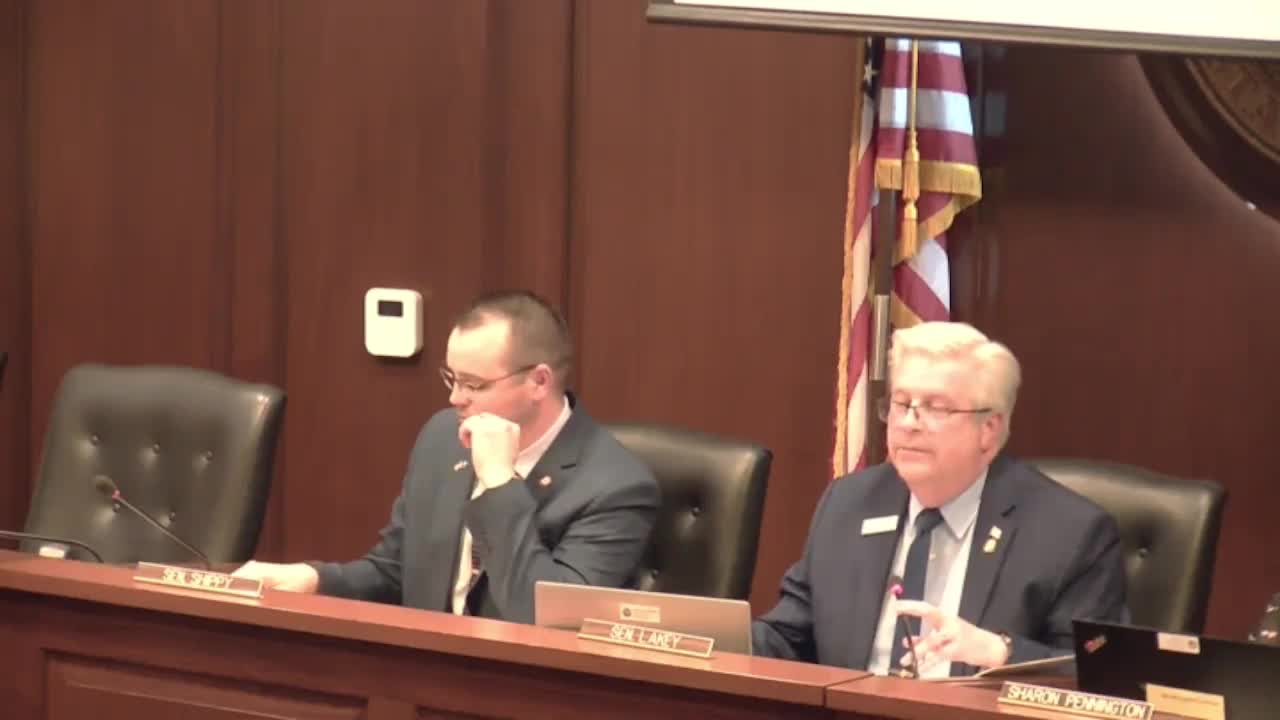
Committee approves narrowing of runaway shelter rule despite testimony that change could reduce access to crisis care
Summary
Lawmakers voted to strike a provision that had allowed a runaway child's consent to shelter from protecting a facility from a violation charge; advocates warned the change could deter youth fleeing abuse from seeking immediate help.
A Senate committee voted to advance House Bill 46 after debate about whether removing a consent clause would reduce access to emergency care for vulnerable runaway youth.
Representative Elaine Price, sponsor of HB 46, asked the committee to delete a provision in Idaho Code 18-15-10 that treated a runaway child's consent to shelter as one of three conditions that protect care facilities from violating the law against harboring runaways. "All I'm asking to do is remove that first one so they still have two provisions to help them from preventing to break this code," Price told the committee, saying the change would not affect how centers provide services.
Opposition testimony warned the deletion could create a dangerous barrier for children fleeing abuse. Britney Shipley, who said she serves on the board of a regional youth crisis center, urged the committee not to remove the consent clause. She said the centers were designed to provide short-term stabilization (maximum stays of 23 hours, 59 minutes) and that requiring parental notification on a child's arrival could endanger children whose abuser is their legal guardian. "If a child's abuser is their legal guardian, the child would no longer have a safe place to go for immediate help," Shipley said.
Committee members questioned how the change would operate in practice. Price and witnesses said two remaining protections would remain: (1) the center must attempt to contact the parent or guardian and (2) the center must notify the sheriff's office. Price said the consent clause originally was added to protect facilities from violating the harboring statute and that removing it would not stop centers from accepting or caring for youth.
Sen. Wintrow spoke against the change, saying she was "confused" and worried about children who seek help without wanting parents notified. The motion to send HB 46 to the Senate floor with a due pass recommendation carried after a motion by Sen. Lenny and a second by Sen. Keiser; Senator Wintrow asked that her vote be recorded as "nay with confusion." The committee chair described the result as maintaining the two remaining requirements and removing the consent-based safe harbor.
The bill will proceed to the full Senate, where advocates and child-service providers may press for amendments or clarifying language that addresses safety for children fleeing abuse.