Get Full Government Meeting Transcripts, Videos, & Alerts Forever!
Get email alerts on the Public Schools Budget topic
No spam. Unsubscribe anytime.
Lawmakers briefed on Idaho public school support budget, enrollment-driven cuts and one-time federal funds
Summary
Legislative budget analysts and the state superintendent told the Joint Finance-Appropriations Committee on March 4 that Idaho’s K–12 budget is being shaped by attendance-based funding, fewer "support units," one-time federal ESSER/ARPA dollars winding down and a new school facilities fund established last year.
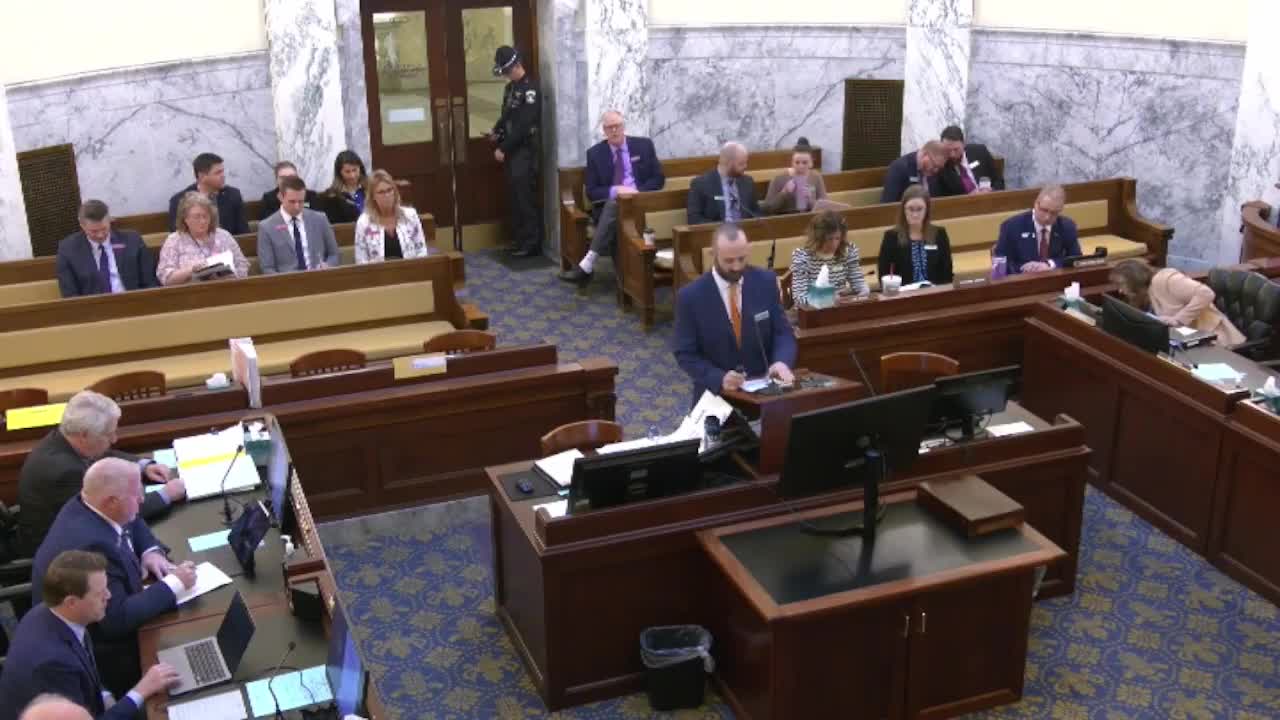
BOISE — On March 4, Jared Tetrault, deputy division manager with the Legislative Services Office Budget and Policy Analysis Division, told the Joint Finance‑Appropriations Committee that the state’s public school support budget is being driven by statutory formulas, attendance-based student counts and several one‑time federal allocations.
Tetrault said the public school support program covers about 115 local school districts and about 75 public charter schools and is governed in large part by Idaho Constitution Article IX, Section 1 and statutes in Title 33 of Idaho Code. He told the committee the state funds 1.55 full‑time equivalent positions for each support unit and that the average amount funded per support unit is roughly $147,000. "Idaho law requires that for funding purposes student counts be done on average daily attendance," he said, explaining why the number of funded support units fell even though headcount has been roughly stable.
Why it matters: Idaho distributes most K–12 dollars through statutory formulas tied to support units and attendance. Small percentage changes in attendance or how students are counted can shift tens of millions of dollars in distributions, affecting career‑ladder placements, transportation, discretionary funding and health insurance allocations.
Major budget drivers and recent changes
- Attendance vs. enrollment: Tetrault and committee members discussed how funding re‑set to attendance (required by state law) after the COVID period reduced the number of funded support units. Tetrault said post‑COVID attendance percentages are closer to 94% statewide, down from pre‑COVID levels nearer 95% and lower than the temporary enrollment measures used during the pandemic.
- Support units: The budget reflects roughly 200 fewer support units estimated for the coming year; that reduction is driving several line‑item decreases even where total dollar allocations remain comparable because units are the primary distribution mechanism.
- Compensation and career ladder: The teachers division and student support divisions are subject to career ladder and salary‑based apportionment; recent CECs (change‑in‑employee‑compensation adjustments) were two separate actions last session (a 1% maintenance CEC and later an additional CEC). The committee was shown prior CEC history and the career‑ladder mechanics that move teachers through salary cells.
- Facilities funding: The House Bill 292 School District Facilities Fund (enacted last year) and an additional one‑time allocation linked to House Bill 521 were highlighted as major new facility resources. Tetrault said HB292 brought a new facilities fund on budget this year; a separate bill (identified in the presentation as House Bill 374) would make that fund a continuous appropriation if enacted, which would affect whether the committee needs to continue appropriating it directly.
- One‑time federal and ARPA/ESSER dollars: Tetrault reminded the committee that roughly $99.9 million in ESSER/ARPA funding remained in the current public schools budget year and that much federal relief money has now been removed or expired; committee members and the superintendent discussed district use of those funds and the risk that districts used one‑time federal dollars for ongoing salaries.
Policy items and pending legislation
Tetrault flagged several pieces of pending legislation or required legislative action that would change appropriations or formulas: a weighted student funding formula, a pupil transportation funding formula (the transportation bill was marked for a separate hearing), and a special needs student fund that had been scheduled for an education committee hearing. He also noted a requested statutory change to raise the Idaho Digital Learning Academy per‑enrollment payment from $430 to $445 if House Bill 251 is enacted.
Transportation routing software and other enhancements
Committee members pressed whether districts already use routing software and how many could benefit from a statewide contract. Superintendent Debbie Critchfield said a statewide contract would be optional and intended to help smaller districts that find routing software cost‑prohibitive. Deputy superintendent Gideon Tolman (Department of Education CFO in these proceedings) told the committee many districts and charters do not currently use routing software and that offering a statewide contract would allow them to improve route accuracy and, potentially, reduce miles paid for by the state.
Questions and follow‑ups requested by the committee
Committee members asked staff to provide additional detail, including: counts of employees not covered by state‑level health insurance allocations; district‑level distributions of the new facilities dollars and the 10‑year plans districts submitted when they accepted the one‑time facility payments; a breakdown of professional development federal funds; and data showing which districts already use routing software. Jared Tetrault and department staff agreed to supply those items to the committee on request.
Outlook and next steps
Tetrault closed by noting that the committee will consider population forecast adjustments, endowment shifts and statutory changes during the budget process. The presentation did not include any formal committee votes; the hearing continued into member questions and subsequent agency presentations.