Get Full Government Meeting Transcripts, Videos, & Alerts Forever!
Get email alerts on the Health Workforce Dentistry topic
No spam. Unsubscribe anytime.
Idaho Dental Education Program asks for one additional seat, $54,000 ongoing
Summary
The Joint Finance Appropriations Committee reviewed a request from the Idaho Dental Education Program for one ongoing seat funded at $54,000 to increase the program’s capacity. Program leaders said graduates largely return to practice in Idaho and the program addresses geographic dentist shortages.
The Joint Finance Appropriations Committee on Wednesday reviewed a request from the Idaho Dental Education Program (IDEP) for one additional student seat, funded at $54,000 annually, as part of a long‑term plan to expand capacity to 36 seats.
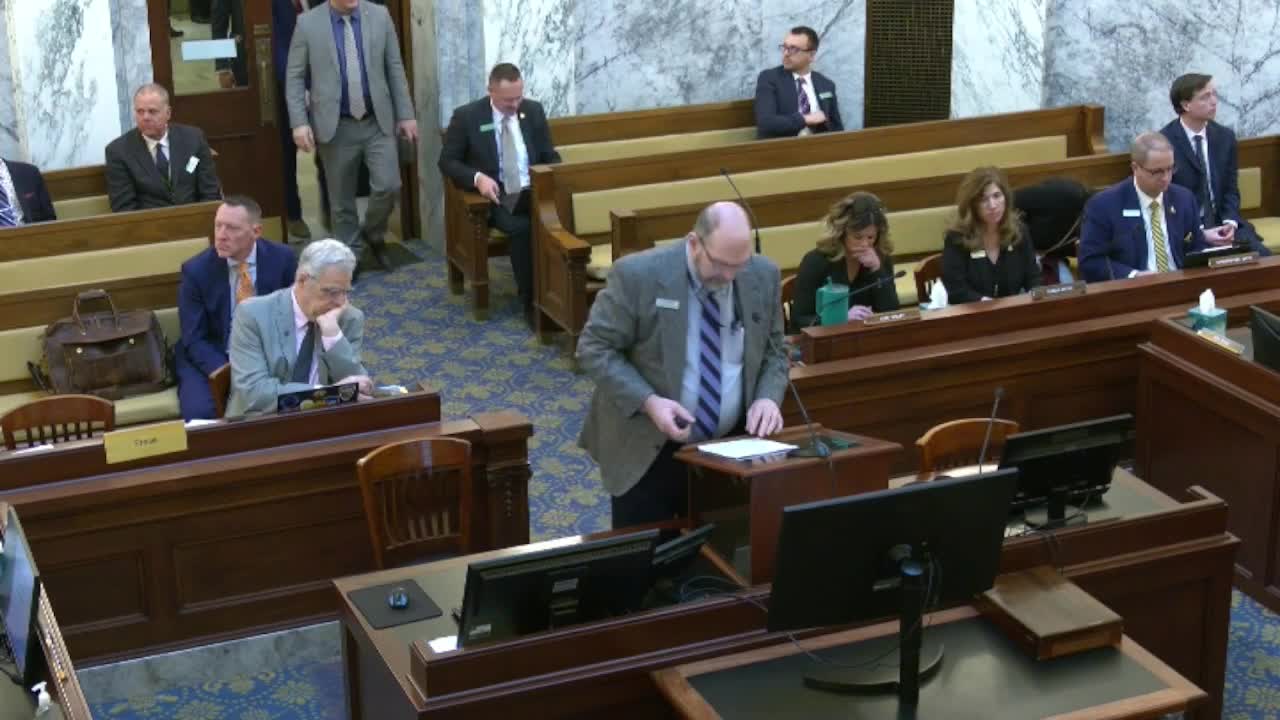
Kevin Campbell, a budget and policy analyst with the Legislative Services Office, told the committee the IDEP program places Idaho residents into dental training through a contractual arrangement: students take the first year at Idaho State University and complete training at Creighton University School of Dentistry in Omaha, Nebraska. Seats in the program are reserved exclusively for Idaho residents and the Creighton contract provides discounted tuition for those Idaho students.
"For FY2026, the Idaho Dental Education Program requests $54,000 ongoing from the general fund for one additional seat," Campbell said, noting the request is part of a multi‑year plan to reach 36 seats. Campbell told the committee IDEP is oversubscribed and expects to fill an additional seat easily; LSO reported 30–50 applicants in the current recruitment cycle and said earlier cohorts produced as many as 120 applicants pre‑pandemic.
Jeff Weibargin, director of the Idaho Dental Education Program and an IDEP alumnus, described workforce effects and return‑to‑state rates. He said historically 65–70% of IDEP graduates returned to Idaho to practice, and that more recent cohorts show about an 80% return rate over a multi‑year horizon when graduates who complete specialty training or residencies are counted. "We have no shortage whatsoever of highly qualified applicants," he said, describing typical applicants as having about a 3.8 GPA and scoring in the 80th percentile or higher on the dental admissions test.
Program officials said the IDEP model aims to reduce barriers to practice in Idaho: students who complete an out‑of‑state dental education outside the IDEP contract can incur significantly higher debt, which can discourage them from returning to lower‑reimbursement rural markets in Idaho. Director Weibargin told the committee that IDEP graduates are distributed across the state and that the program has produced dentists serving rural and underserved communities.
The committee did not take a vote on the IDEP funding request during the hearing. LSO and program staff stood ready to answer follow‑up questions while the committee continued its broader budget review.
Ending
Legislators asked budget staff and the program to provide any additional supporting materials the committee requests during the remainder of the budget process.