Get Full Government Meeting Transcripts, Videos, & Alerts Forever!
Get email alerts on the Juv Corrections Budget topic
No spam. Unsubscribe anytime.
Idaho juvenile corrections seeks $300,000 for substance-use treatment, radio upgrades and staff realignment
Summary
Department of Juvenile Corrections told the JFAC it needs ongoing money to cover higher residential substance-use treatment costs, one-time funds to upgrade radios with ‘man down’ alarms, and personnel/IT shifts tied to consolidation with state IT services; lawmakers asked for more population and diversion data.
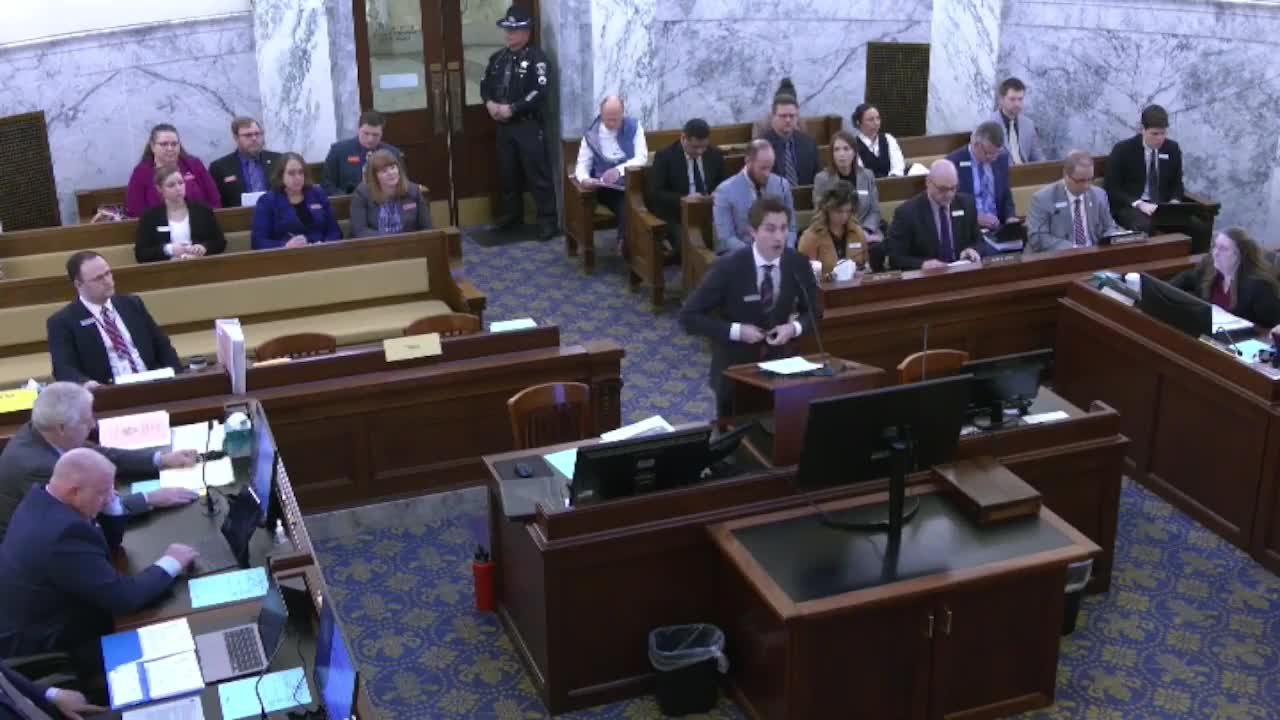
The Idaho Department of Juvenile Corrections asked the Joint Finance-Appropriations Committee on Feb. 18 for a $300,000 ongoing appropriation from the general fund to cover rising residential substance use disorder (SUD) treatment costs and for one-time and technical adjustments for radios, IT and personnel.
The request matters because daily treatment costs and average lengths of stay for residential SUD programs have roughly doubled since 2021, increasing the department’s share of the cost after short-term federal funding from the Department of Health and Welfare expired. Noah Peterson, a budget policy analyst with the Legislative Budget Office, told the committee “this $300,000 request is to make up the difference from what was previously covered by health and welfare.”
IDJC Director Ashley Dowell, who joined the agency recently, told lawmakers the department is seeing higher acuity among youth in custody and greater mental-health and self-harm concerns. “I am very grateful. We have an amazing, passionate, dedicated staff,” Dowell said, adding that most youth remain under county probation and that county partnerships and community providers are essential.
What the department requested - $300,000 ongoing, general fund — to cover increased costs for daily residential SUD treatment. Peterson said the per‑day cost increased from about $198 (pre‑August 2021) to $399, while the average length of stay rose from 31 days to 67 days, moving annual program cost from about $1.26 million (FY21) to $2.7 million (FY24). - $380,000 one‑time, Juvenile Corrections Endowment Income Fund — to replace and upgrade radio equipment across the three state juvenile correction centers (Lewiston, Nampa and St. Anthony) with man‑down functionality and to program radios so all facilities have the same capability. - $232,500 one‑time for IT replacement items (requested per Office of Information Technology Services recommendations). - $145,100 from dedicated funds for replacement items (facility-level breakout in the legislative budget book). - A net‑zero shift of $675,100 from personnel to operating and a reduction of 7 FTP to consolidate IT positions with the Office of Information Technology Services (OITS), Peterson said.
Lawmakers pressed for missing data and oversight Lawmakers repeatedly asked for more concrete population and diversion metrics. Representative Tanner requested counts and trend data on juveniles in custody and asked whether the agency’s elevated staffing and facilities built during higher census years remain commensurate with current needs. Peterson said he can supply population trend data to the committee; Dowell said the department’s census hit an all‑time low of 137 in May 2024 and was at 176 at the time of the hearing, “which represents about a 19% increase of where we were the year before.”
Lawmakers also asked about the youth crisis centers and whether they are diverting youth from custody. Dowell said she had anecdotal examples — including children under 10 who were stabilized — but she did not have compiled diversion statistics in the hearing and offered to provide available data to the committee.
Treatment length, placement decisions and community providers Director Dowell and committee members discussed who makes placement and length‑of‑stay decisions for residential treatment. Jeff Cochair (committee chair) and others noted the department relies on community providers guided by the American Society of Addiction Medicine (ASAM) placement criteria. Dowell said providers decide placements and length of stay; the department has not been conducting utilization management of those providers and would need additional licensing or capacity to undertake that kind of oversight.
Human‑trafficking screening and diversion policy work Dowell told the committee the human‑trafficking screening bill passed last session has been implemented. She said the department and counties adopted an expert‑recommended screening tool and provided training; the department adopted the same screening in its facilities for consistency.
Age limits and detention policy The director said Idaho law is “a little bit split” on minimum detention age: IDJC serves youth ages 10–21 and cannot incarcerate a child in an IDJC facility under age 10, but counties may detain children younger than 10 in juvenile detention centers. Dowell said a diversion subcommittee of the Idaho Behavioral Health Council is working on minimum‑age recommendations and the department will bring options back to the legislature.
Why it matters The requests aim to keep ongoing services funded where short‑term federal assistance or other department transfers earlier covered increased costs; lawmakers asked the department to supply data so JFAC can evaluate whether requested continued funding and staffing align with current population trends and diversion outcomes. Director Dowell acknowledged rising mental‑health acuity and said the agency is focused on treatment and reintegration.
What the committee asked for next Committee members asked the fiscal impact and budget teams to follow up on the drivers of higher treatment cost and length of stay, to provide utilization and population trend data, and to seek any available metrics on crisis‑center diversion. The department agreed to provide follow‑up material to the committee.