Get Full Government Meeting Transcripts, Videos, & Alerts Forever!
Get email alerts on the Anti Slapp Free Speech topic
No spam. Unsubscribe anytime.
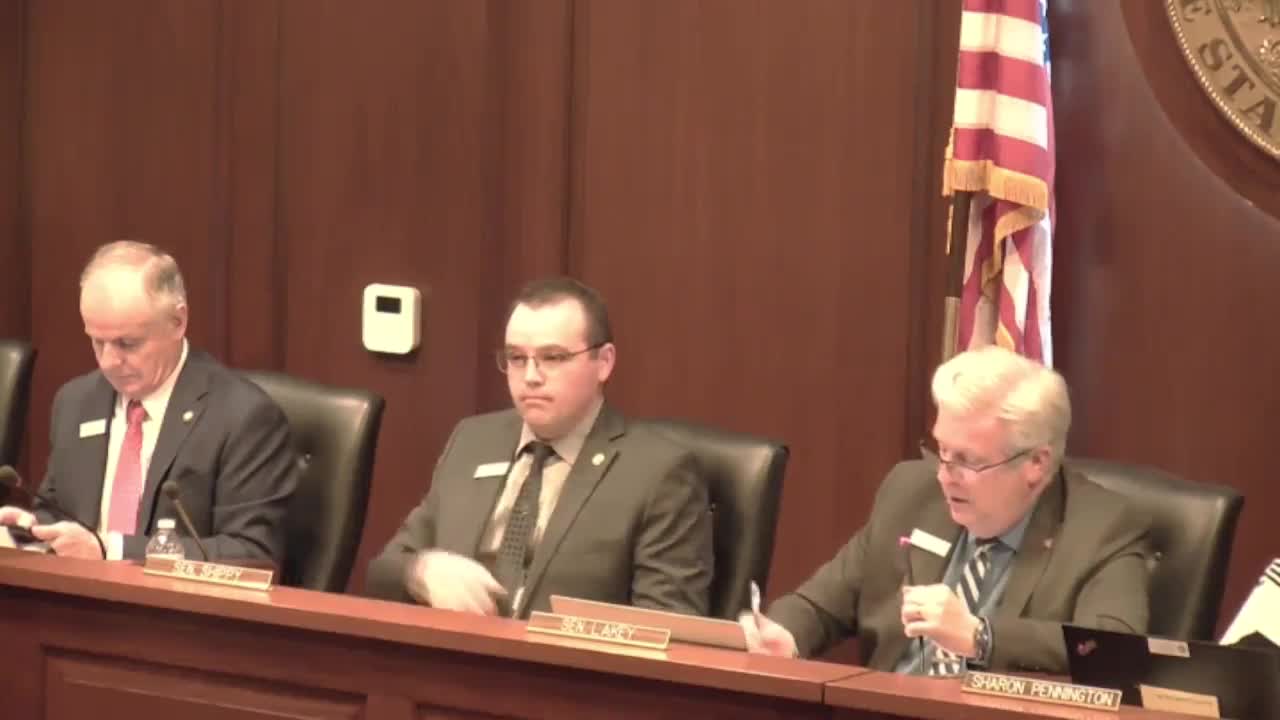
Senate panel advances anti‑SLAPP bill after testimony from free‑speech and legal groups
Summary
The Senate Judiciary and Rules Committee voted to send Senate Bill 1,001 — a Uniform Law Commission anti‑SLAPP/UPEPA proposal — to the Senate floor with a due pass recommendation after sponsors and multiple witnesses described an expedited court process to dismiss meritless lawsuits that chill public participation.
The Senate Judiciary and Rules Committee voted to send Senate Bill 1,001 to the Senate floor with a due pass recommendation after sponsor Sen. Brian Lenny (D.-Dist. 13) described the measure as a free‑speech protection that would give Idaho judges an early tool to dismiss meritless "strategic lawsuits against public participation" (SLAPPs).
Lenny told the committee the bill implements a Uniform Law Commission model (Uniform Public Expression Protection Act, UPEPA) tailored for Idaho. He said the statute would provide an early, expedited process so judges can stay discovery, hold an abbreviated hearing, and dismiss sham lawsuits before defendants accrue substantial legal fees. "It simply stops the bad ones from getting traction," Lenny said, adding that the measure does not change the underlying elements of defamation or other causes of action.
Caitlin Wolf, testifying for the Uniform Law Commission, said the bill freezes discovery while a judge determines whether a case is a SLAPP and that a hearing would test whether the plaintiff has stated a cause of action or met a prima facie standard. Wolf said a litigant could seek relief early in the case and that other states have adopted similar protections; she described the statute as an "early off‑ramp" for meritless claims.
Several witnesses endorsed the bill: Catherine Hartley (Pacific Justice Institute) and Ken McClure (Idaho Liability Reform Coalition) spoke for quicker dismissal procedures to prevent litigation from chilling public participation; Cynthia Gibson (Idaho Conservation League) noted a broad coalition of supporters including reporters and civil-liberties groups; David Jensen, chair of Idaho's Uniform Law Commissioners, registered support on behalf of that body. Testimony included both legal and personal perspectives: Matthew K. Jensen, a private citizen active on social media, recounted receiving about 65 legal threats since 2007 and urged passage to prevent "the process" from becoming punishment.
Committee members asked whether judges and court administrators had been consulted and whether the bill would change the merits test for lawsuits. Lenny said he had worked with the Idaho Supreme Court administrators, who raised no objections, and that the bill preserves judges' discretion to allow limited discovery or to dismiss the case early. Sen. Wintrow emphasized that the court still evaluates underlying burdens of proof; Sen. Echte noted the bill frontloads review for a particular type of case but does not remove a party's right to trial if the claim meets the applicable standards.
Sen. Acdy moved to send SB1001 to the floor with a due pass recommendation; Sen. Forman seconded. The motion carried by voice vote.
If enacted, the bill would implement an expedited procedure to assess whether suits targeting public participation should proceed, including a stay on discovery and an early hearing evaluating whether the plaintiff has pleaded sufficient facts to continue.