Get Full Government Meeting Transcripts, Videos, & Alerts Forever!
Get email alerts on the Judiciary Capacity topic
No spam. Unsubscribe anytime.
Judges tell Senate committee Idaho courts face recruiting, retention and workload strains; requests for judges in First and Seventh districts
Summary
Three district judges told the Senate Judiciary and Rules Committee that Idaho is seeing fewer applicants for judgeships, several recent judges have left the bench for other work, and rapid population and case growth in Kootenai and the Seventh Judicial Districts support requests for additional judges and magistrates.
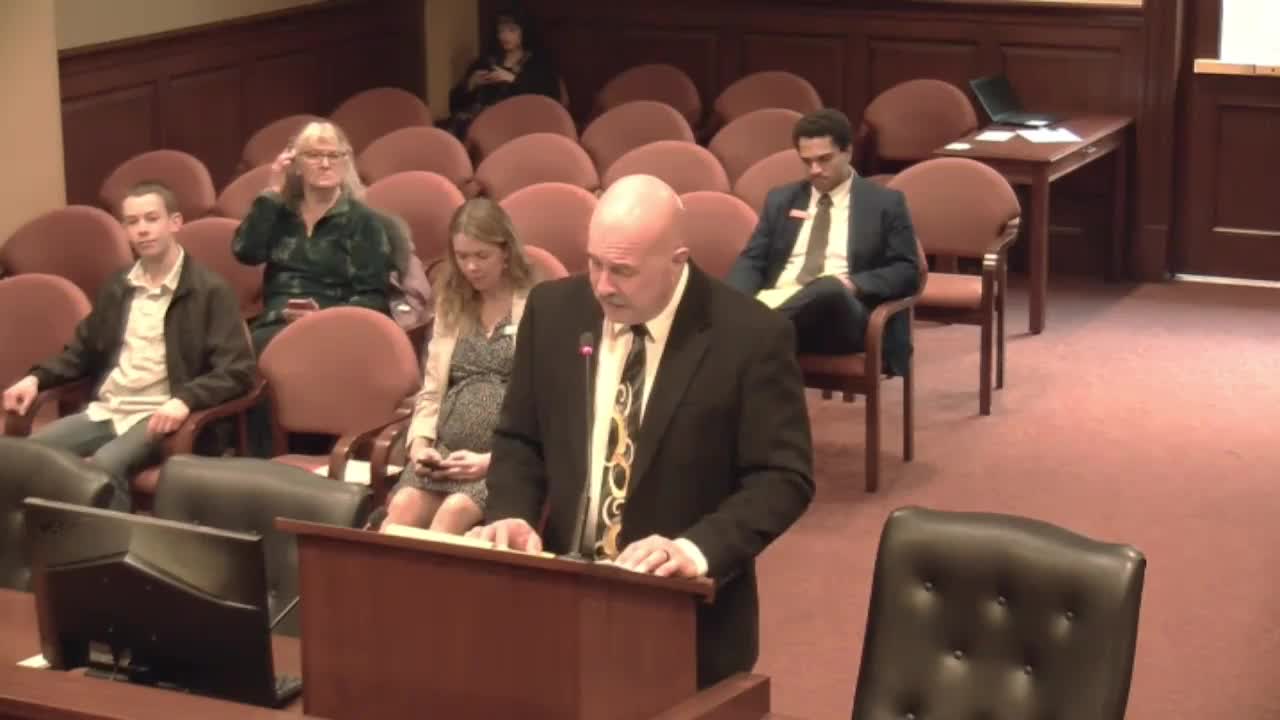
Three Idaho district judges told the Senate Judiciary and Rules Committee that the state’s courts face declining applicant pools for judgeships, rising early departures from the bench and heavy caseloads that are increasing pressure on trial calendars.
“District Judge applications and Magistrate Judge applications are down,” said Rick Carnaroli, a sixth-district administrative judge chambered in Pocatello. “We would have an average of 11 applications 5 years ago. We're down to 4.6 the last year.”
Carnaroli said the tribunal is seeing fewer applicants with the breadth of civil and criminal experience judges need, and that several recent judicial retirees left for paid work outside the judiciary rather than to phased senior-judge status. “In the last fiscal year, we've had 7 retirements. 4 of those judges went on to take other jobs,” he said, adding that the loss reduces senior-judge capacity used to cover vacations, illness and lengthy trials.
Barry McHugh, a First District judge chambered in Kootenai County, urged lawmakers to consider a new district judge for the First District. He said the First District has the highest caseload per judge in the state and the highest felony rate per capita, and described population growth in Kootenai County as a driver of demand. “Kootenai County is the third fastest growing county in the state,” McHugh said, citing a rise from about 121,000 in 2004 to more than 188,000 in 2024.
McHugh described the logistical burden of cross‑county coverage: judges chambered in Bonner and Shoshone counties handle dockets in Kootenai County and face one‑hour commutes that reduce time available to prepare opinions and manage calendars. He said an upcoming courthouse expansion that adds felony-ready courtrooms will help, but recommended adding a judge to reduce travel and improve case management.
Stephen Boyce, administrative judge for the Seventh Judicial District, described a very large geographic district — 10 counties, about 20,000 square miles — that relies heavily on traveling judges. He described presiding over unusually long, complex criminal trials that required months away from his home chambers and underscored dependence on senior judges. “Those senior judge resources are critical,” Boyce said, describing senior judges placed on multi-week schedules to cover his regular calendar while he sat in lengthy trials.
All three judges described increased complexity of cases, reliance on senior-judge coverage when judges are absent, and the demands on judicial staff and trial administrators to keep dockets moving. Carnaroli also noted non‑pay factors that may affect retention, including threats, vicarious trauma and the intensity of the work.
Committee members asked about factors that influence lawyers’ decisions to seek judgeships, the role of judicial writing and the limits of remote technology. Carnaroli said lawyers weigh giving up a private practice and an existing client base—“If I become a district judge, I'm up for popular election every 4 years. So I am basically turning my practice of law in”—while Boyce and McHugh said Zoom helps for some hearings but in‑person proceedings remain important for felony trials and contested testimony.
The judges made requests that the Legislature consider adding judicial positions: McHugh said data support a new district judge position for Kootenai County; Boyce said the Seventh District has asked for an additional magistrate and district judge. No formal committee action on those specific requests was taken during the hearing; the presentations were framed as informational.
The presentations emphasized the judiciary’s reliance on senior judges, courtroom capacity, and mentoring and education programs for new jurists. Several senators thanked the judges for their service and for traveling to testify before the committee.