Get Full Government Meeting Transcripts, Videos, & Alerts Forever!
Get email alerts on the Consent Calendars topic
No spam. Unsubscribe anytime.
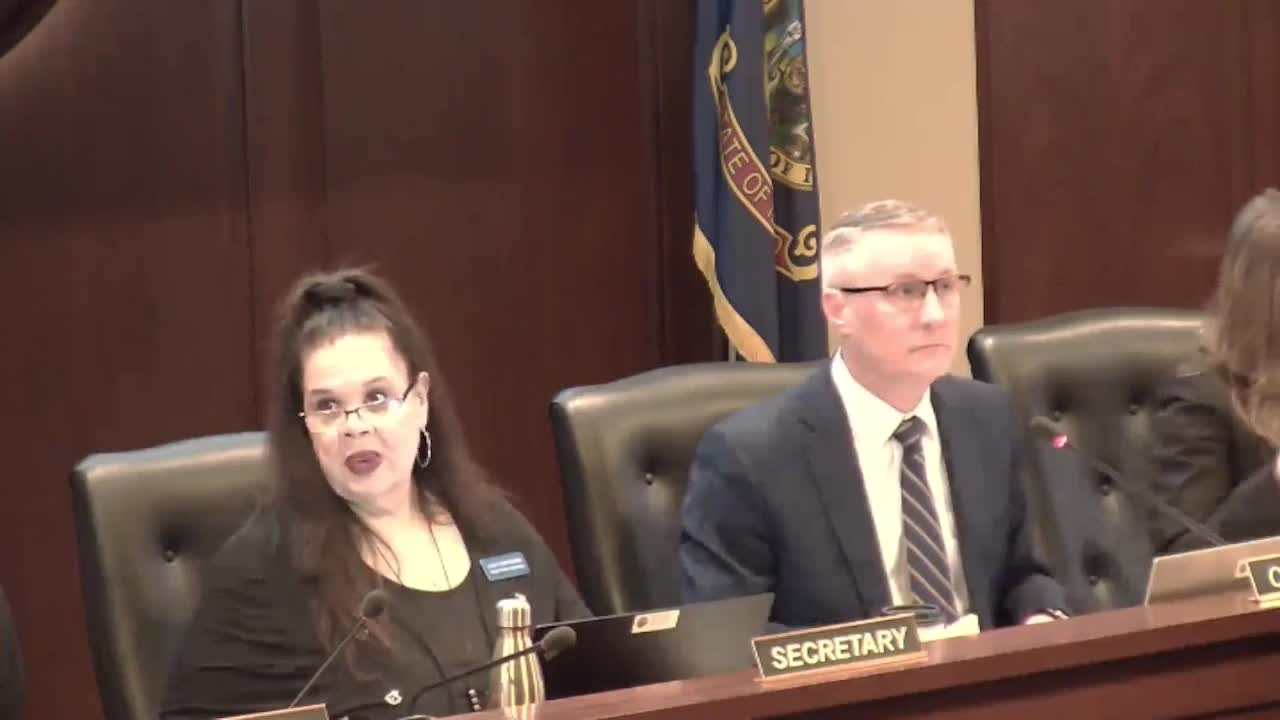
House panel advances bill to define consent calendars after split public testimony
Summary
The House State Affairs Committee gave a do‑pass recommendation to House Bill 172, a measure that would add statutory language defining consent calendars and affirm a member's right to pull items for separate consideration; proponents said it improves transparency and opponents argued it intrudes on local control.
The Idaho House State Affairs Committee voted to give House Bill 172 a do‑pass recommendation after testimony for and against the bill. The bill, sponsored by Rep. Elaine Price, would add language in state code defining a "consent calendar" used by local governing bodies and clarifying that a single member may remove an item from the consent calendar for separate consideration.
"This is legislation to deal with consent calendars," Rep. Elaine Price said. She told the committee the measure responds to inconsistent local practice and to at least one city council that had not allowed members to pull items from a consent calendar as part of ordinary procedure. Price said the bill "adds in code some clarity about what a consent calendar is" and preserves the ability of a council member to pull items for separate discussion.
Kelly Packer, testifying for the Idaho Association of Cities, supported the bill. "Consent agendas are great for routine items, your minutes, your payables that are just daily transactional in nature," Packer said, and she said smaller cities sometimes have not formally adopted Robert's Rules or another procedural manual, creating confusion the bill aims to resolve.
Opposition came from Hayden council member Ed De Priest, who testified he spoke as an individual. "It is about the state infringing on the autonomous rights of cities to conduct their meetings as is best for them," De Priest said, arguing local governments should decide their own meeting procedures and that some cities already manage the issue through local ordinance or mayoral processes.
Committee members weighed both views. Representative Skog and others said the bill would increase transparency and guard against abuse of consent agendas; Representative Alfieri moved to send the bill to the floor with a due‑pass recommendation. The motion carried by voice vote; no roll‑call tally was recorded in the transcript.
The committee record shows supporters argued the bill would provide consistent statewide guidance where some municipalities lack formal procedural manuals, while opponents said it would intrude on local autonomy and that local remedies (including city procedural manuals or attorney advice) already exist in many municipalities. Sponsors and committee members said they expect additional discussion at later stages in the legislative process.
Ending: With the committee's recommendation, House Bill 172 advances to the full House for further consideration; sponsors and opponents alike indicated they expect more debate at later hearings.