Get Full Government Meeting Transcripts, Videos, & Alerts Forever!
Get email alerts on the Medical Residencies topic
No spam. Unsubscribe anytime.
Lawmakers hear residency expansion requests as Idaho works to grow physician workforce
Summary
Legislative analysts and program directors presented requests to add residency slots in psychiatry, internal medicine and family medicine, arguing that training programs increase short-term clinical capacity and improve long-term retention of doctors in Idaho.
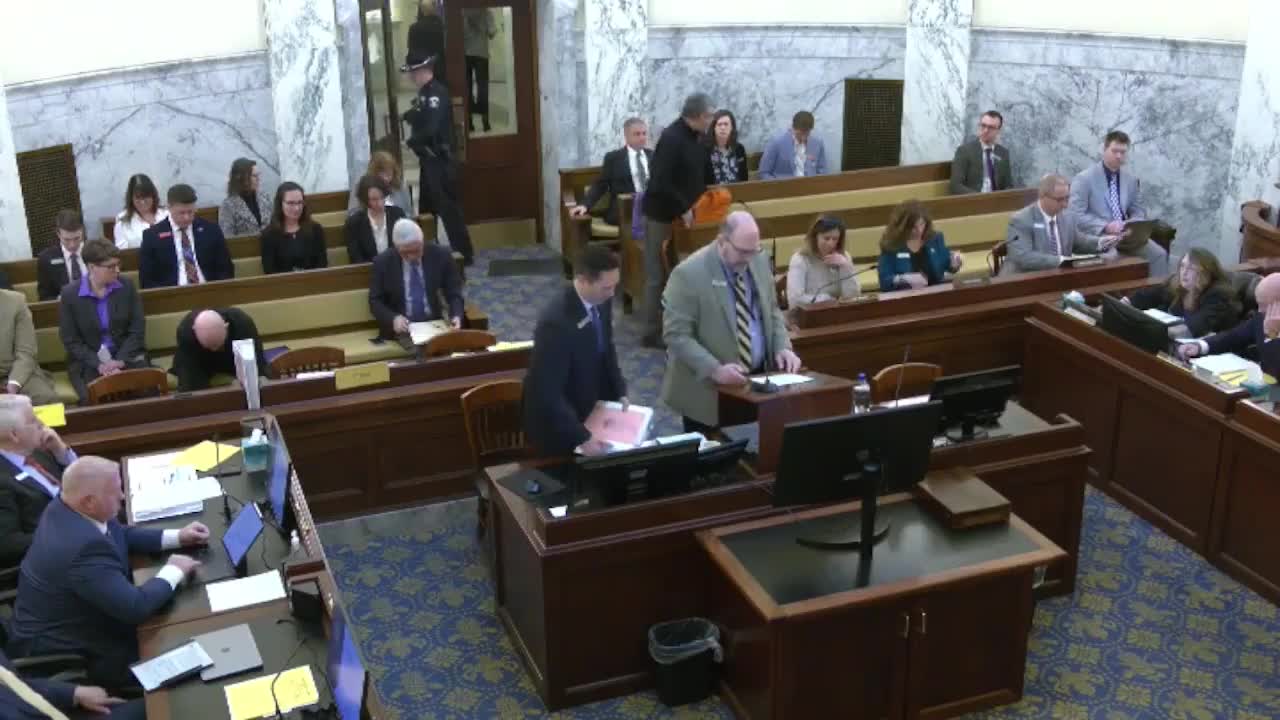
Legislators on the Joint Finance-Appropriations Committee heard multiple presentations on medical residency programs and funding requests aimed at expanding the state’s capacity to train and retain physicians.
Analysts and program directors described how state support for graduate medical education (GME) forms part of a three‑way funding partnership with teaching hospitals and university or sponsoring institutions. Kevin Campbell of the Legislative Services Office summarized program budgets and recent increases; program directors from Eastern Idaho, Boise and family medicine residencies described local capacity, retention data and additional requests.
Why it matters: Idaho ranks low in physicians per capita but has a comparatively high retention rate among graduates of Idaho residencies. Expanding in‑state residency training is a primary policy lever lawmakers are considering to address rural provider shortages and long wait times for specialty care.
What the committee heard
- Eastern Idaho Medical Residency (EIMR): Analyst Kevin Campbell said EIMR currently has 56 residents. The program requested $240,000 ongoing for four additional psychiatry residents (the transcript framed that as funding the third year of a four‑year psychiatry track), bringing psychiatry positions toward a planned total of 12. Dr. Matthew Larson, psychiatry program director, told the committee that specialty supply is tight: “It takes 3 and a half months to get into me,” and that expanding training will add clinicians who provide direct patient care during their residency years.
- Boise Internal Medicine: Campbell reported Boise Internal Medicine had 41 residents and requested $60,000 ongoing for one additional internal medicine resident for FY2026. Program director Mo Hagman described the broader 10‑year effort to grow residency capacity across the state.
- Family Medicine Residency (FMR) and statewide expansion: FMR consists of several regional programs (Boise/Full Circle Health, Idaho State University programs in Pocatello/Rexburg/Rupert, Kootenai Clinic in Coeur d’Alene and others) and currently totals about 130 residents across the state; 23 of those are state employees in ISU’s program. The FY2026 request described in the budget book included funding for a new program in Nampa (in collaboration with St. Alphonsus and Mountain States Institute for Graduate Medical Education) seeking six new residents and one fellowship (a listed budget ask of about $420,000 ongoing for the group of new positions). FMR also requested additional residents in Eastern Idaho.
Retention and pipeline data
- The Legislative Services Office cited a 2022 American Medical Association figure that 55% of graduates of Idaho residencies and fellowships remain in Idaho, a retention rate the analyst said ranks among the top 10 states for retention. Program directors said retention varies by specialty and program but noted several family medicine programs have retention rates as high as about 65%.
- Program directors argued that even when trainees do not remain in the state after graduation, residents deliver substantial clinical capacity during training: Dr. Larson said his psychiatry program’s trainees provide daily clinical care in hospitals and clinics, increasing access immediately even before any retention benefits accrue.
Costs and funding structure
Presenters described the typical funding model as a three‑way partnership: the sponsoring institution, clinical training partners (hospitals/health systems), and the state each cover portions of residency costs. Analysts and directors cited a current average cost per resident of approximately $210,000 per year; historically the state contribution had been about one third of the total, and directors asked the committee to consider the ongoing state share for maintaining and expanding slots.
Committee questions and next steps
Lawmakers asked about evaluating program success, the differences among states and regions, and the potential to use retired clinicians as preceptors. Several lawmakers emphasized the long‑term nature of workforce development and encouraged continuing the multi‑year residency expansion plan. No votes on residency funding were recorded in the transcript excerpt; directors and analysts requested the committee continue support to stabilize residency slots already under way and to fund priority new positions where infrastructure is ready.
Ending
Directors urged continuation of the multi‑year plan to stabilize residency programs and argued state investment produces near‑term clinical capacity and improves longer‑term physician retention in Idaho communities.