Get Full Government Meeting Transcripts, Videos, & Alerts Forever!
Get email alerts on the Committee Operations topic
No spam. Unsubscribe anytime.
JFAC staff outline SharePoint, session records, hearing schedule and new LSO impact team
Summary
Legislative Services Office staff walked the Joint Finance and Appropriations Committee through using SharePoint and the session record, described the hearing schedule and workgroups for the upcoming budget process, and introduced a new LSO impact review team and analysts who will support committee work.
Legislative Services Office staff and committee leaders used the Jan. 8 Joint Finance and Appropriations Committee meeting to demonstrate SharePoint and the public session record, review the committee’s hearing schedule and workgroups, and introduce analysts and a new impact review team who will support JFAC this session.
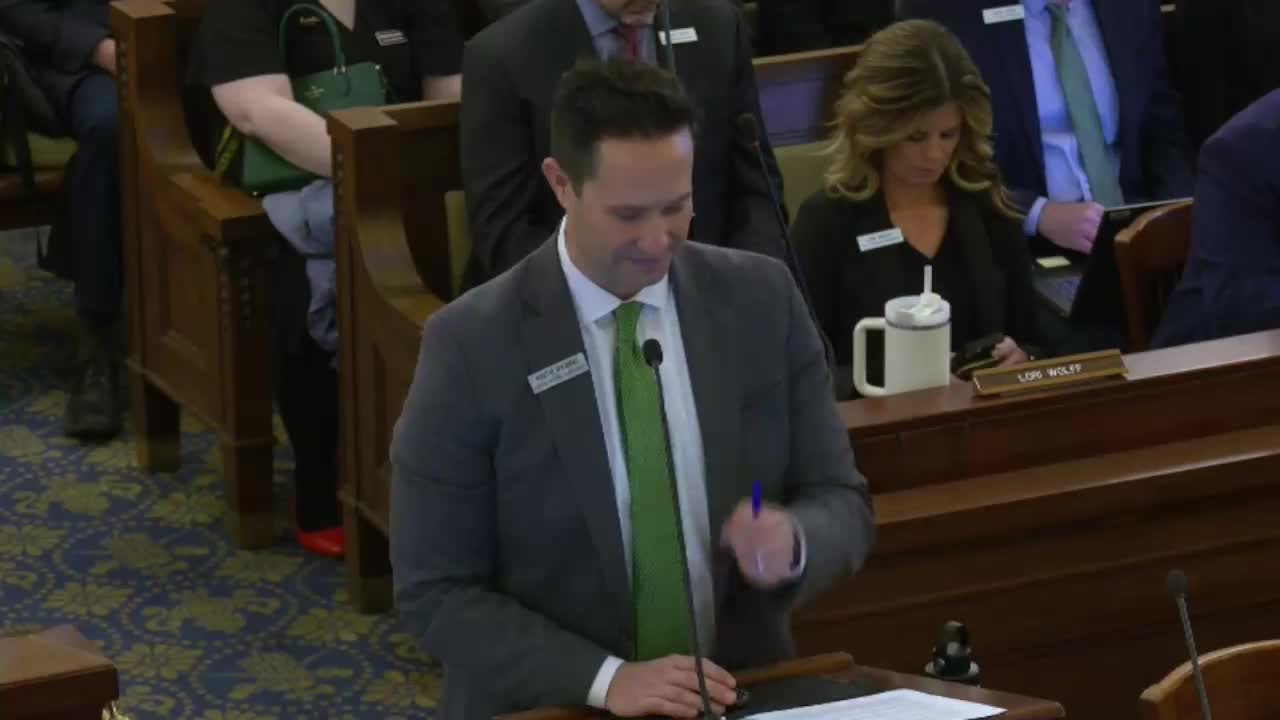
Keith Bybee, division manager for the LSO budget and policy analysis team, demonstrated how committee members can access and download the legislative budget book and agency slide decks from a JFAC SharePoint site and save local copies to annotate. “Think of SharePoint as that same mechanism” members use for OneDrive, Bybee said, adding that documents must be downloaded to edit rather than opened in read‑only mode.
Why it matters: The SharePoint repository, combined with the session record on legislature.idaho.gov, centralizes materials and audio/video links and is the principal source the public and members will use to find committee documents, presentations and recordings during the budget process.
Public access and session record Madam Chair Horman (introducing the topic) told the committee: “This is simply a repository of all publicly available documents. There is nothing in there that the public, the media, citizens can't see.” Bybee also demonstrated the session record by agency on the Legislature’s website and explained that archived hearings, interim presentations and recorded videos are linked so members and the public can review prior meetings.
Schedule and workgroups Bybee walked members through a multi‑week hearing schedule that staggers the committee’s 8–9:30 a.m. full committee meetings with workgroup sessions that begin each day after the JFAC meeting. He said week 1 would include the governor’s budget presentation and staff briefings; week 2 begins agency budget presentations (Department of Health and Welfare and secondary education agencies were cited) and workgroups will begin meeting. The committee is projected to finish JFAC business around week 10 (mid‑March), allowing many budgets to be considered and carried to the floors in a rolling fashion rather than concentrating hundreds of JFAC bills at the end of session.
Replacement items and program maintenance Bybee explained a procedural change: the committee will hold a dedicated hearing on Jan. 15 to review agency repair and replacement items that agencies did not historically bring forward when they requested only program maintenance. “Rather than scheduling individual separate hearings for that, we will take that morning to review each of those agencies, their replacement items,” Bybee said. He said program maintenance budgets would be set on Friday the 17th to allow committee members time to review statewide maintenance proposals before setting them.
Introductions of staff and new LSO impact review team Bybee introduced the budget and policy team who will staff the committee’s workgroups and hearings, naming deputy manager Jared Tetreault, data systems coordinator Shane Winslow and principal analyst Janet Jessup among others. Paul Headley, deputy chief of LSO, introduced five members of a new legislative impact review team and two research fellows on loan from the McClure Center; Headley said the team can provide short answers or longer research products and emphasized evidence and outcome analysis as part of the committee’s work. Headley said the impact team members include Casey Hartwig (law degree, assignments: public schools, higher ed, natural resources), Alex Penny (audits/evaluation background), and Alex Hatfield (IT analysis and GIS capability) and that the fellows would assist with research and mapping.
Support for members Bybee and committee leaders encouraged members to download the budget book, use provided iPads or Surface devices for annotation, and contact analysts for one‑on‑one instruction on SharePoint and committee materials. Bybee said staff had created a naming convention to reduce duplicate downloads and help members find agency packets (analyst A and agency B versions) more easily; he invited members to request printed copies if they prefer.
Ending Committee co‑chairs reiterated that the early hearing schedule and workgroup structure are intended to spread the committee’s workload and allow bills to be considered on the floors while still fresh. Bybee said staff would be available for follow‑up and training; the committee recessed to resume budget hearings the next morning.
(Reporting based on presentations to the Joint Finance and Appropriations Committee, Jan. 8, 2025.)