Get Full Government Meeting Transcripts, Videos, & Alerts Forever!
Get email alerts on the Broadband topic
No spam. Unsubscribe anytime.
Commerce details broadband funds, BEAD timeline and workforce ties to economic development
Summary
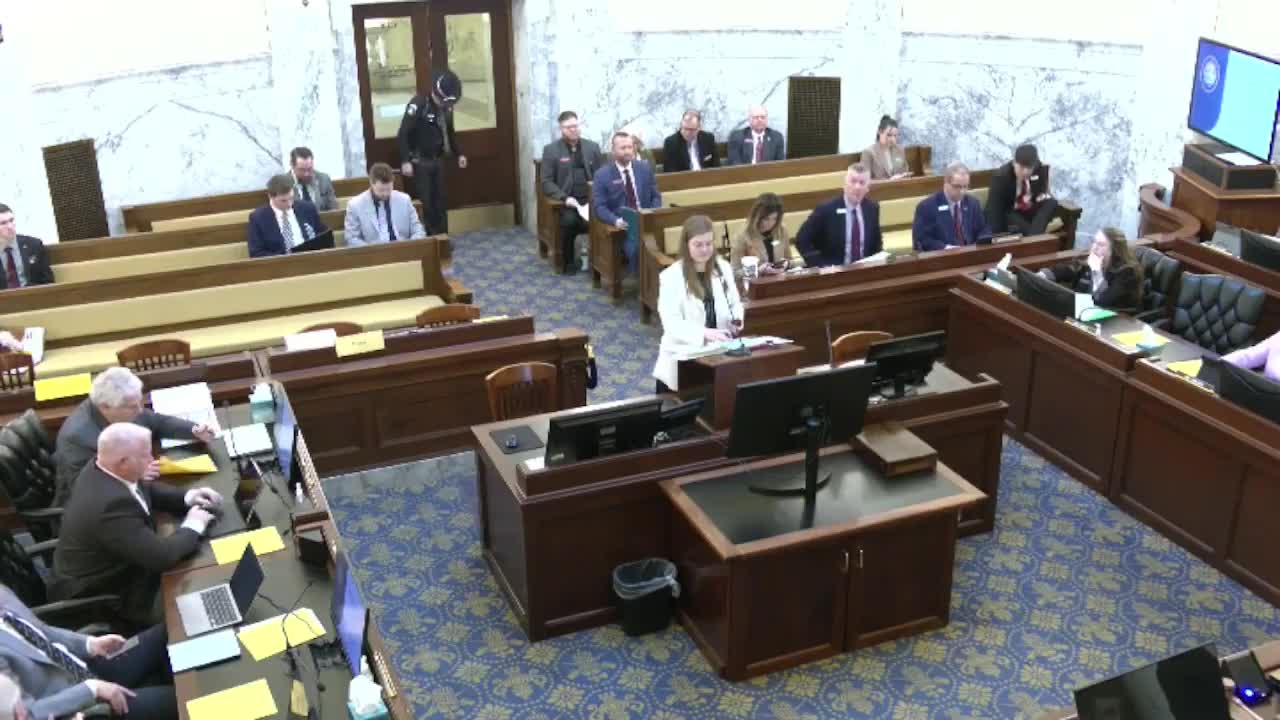
The Idaho Department of Commerce told the Joint Finance‑Appropriations Committee on Wednesday it is deploying a mix of state and federal funds to expand broadband across Idaho, and it outlined the timeline for the federal BEAD program, coordination with providers, and links to workforce and economic development.
The Idaho Department of Commerce told the Joint Finance‑Appropriations Committee on Wednesday it is deploying a mix of state and federal funds to expand broadband across Idaho, and it outlined the timeline for the federal BEAD (Broadband Equity, Access, and Deployment) program, coordination with private internet providers, and related workforce and economic development work.
Why it matters: Broadband infrastructure decisions shape economic development, education access and workforce growth across urban and rural communities. Large federal awards and state appropriations under the BEAD and ARPA capital projects funds will guide multi‑year buildouts.
Funding picture and timeline Brooke Dupree, a Legislative Services Office analyst, told the committee the Department of Commerce is managing multiple funding streams: a state Idaho Broadband Fund funded by a $35 million general‑fund transfer (with roughly $26.5 million already obligated and about $8.5 million remaining, according to the Commerce briefing), capital projects fund awards from ARPA that have been contracted (Dupree cited approximately $120 million in ARPA capital projects awards used across multiple rounds), and a federal IIJA/BEAD allocation of about $580 million for Idaho.
Ramon Jabe Sanchez, the department’s broadband manager, told the committee the BEAD timeline has reached the pre‑qualification phase for service providers (opened in calendar‑year quarter 1) and that the department expects to open a funding application phase in calendar‑year quarter 2. After application review and evaluation over the summer, Commerce expects to assemble a final package for submission to federal authorities in mid‑to‑late fall, with the earliest federal disbursements possibly moving about a year from now.
Sanchez said the department is deploying capital projects and ARPA funds now: "26 and a half million of that is already obligated, so there's about 8.5, 8.7 remaining," he said of the state broadband fund, and he noted the capital projects fund awards span 18 projects that together are intended to connect roughly 35,000 homes and businesses.
Technology choices and private partnerships Commerce staff described BEAD’s preferred hierarchy for technology—fiber first, then licensed fixed wireless, and alternatives such as low‑Earth‑orbit satellites when other options are cost‑prohibitive or infeasible. Sanchez said Idaho’s approach emphasizes collaboration with private internet service providers and local jurisdictions; Commerce used federal planning funds to provide planning grants to 15 local communities to build stronger public‑private proposals for BEAD funding.
Governance and oversight The Idaho Broadband Advisory Board, created in statute in 2021 and referenced in the briefing, plays a central role in policy, project selection and funding allocation. Sanchez identified legislative members and governor’s appointees on the board and said the board has active oversight of broadband funding decisions; applications and allocations will be scored and vetted through that board and Commerce processes.
Commerce’s broader economic role Director Tom Keeley framed broadband within Commerce’s broader economic development portfolio, telling the committee Commerce also supports workforce development, tourism and efforts to attract industry. Committee members asked about the department’s role in housing and childcare as part of workforce strategy, tourism opportunities tied to large events, and how Commerce can support energy and advanced manufacturing supply chains; Keeley said Commerce coordinates with state partners, regional stakeholders and industry groups to pursue those goals.
No formal committee votes were taken during the briefing; Commerce staff and analysts remained available to provide documentation and details as the committee continues budget deliberations.