Get Full Government Meeting Transcripts, Videos, & Alerts Forever!
Get email alerts on the Unemployment Insurance topic
No spam. Unsubscribe anytime.
Idaho Department of Labor requests $7.33 million in dedicated spending authority to sustain unemployment insurance operations
Summary
The Idaho Department of Labor asked the Joint Finance committee to approve $7,330,000 in additional spending authority from dedicated funds to maintain day‑to‑day unemployment insurance operations as federal pandemic funding declines; lawmakers requested staffing and fund‑balance details.
The Idaho Department of Labor told the Joint Finance committee it needs additional dedicated‑fund spending authority to sustain core unemployment insurance (UI) operations as federal grant funding from pandemic years declines.
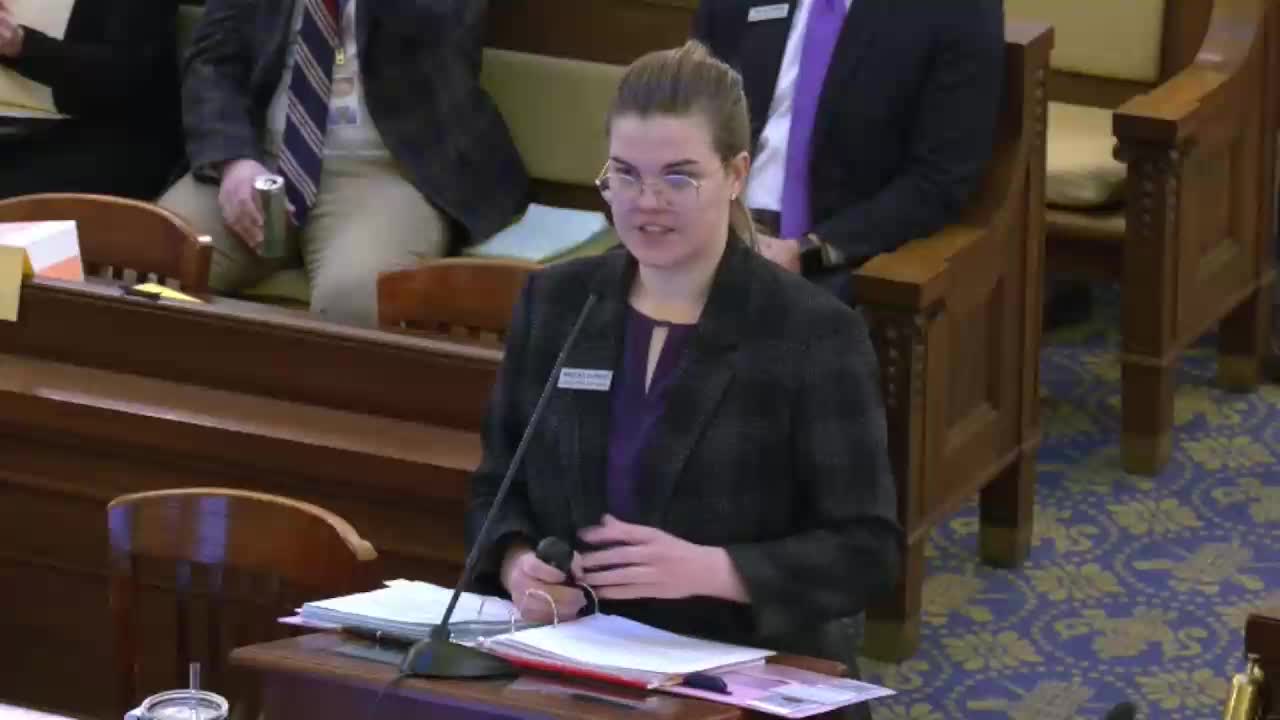
Brooke Dupree, budget and policy analyst with the Legislative Services Office, outlined the department’s request: $7,330,000 ongoing for unemployment insurance operations to offset a reduction in federal funds that had subsidized staffing and operations during higher UI claim periods. Dupree said the department’s filled‑FTP percentage has been intentionally held below authorized levels to allow rapid staffing changes during economic downturns.
Janie Rivera, director of the Idaho Department of Labor, said the department received significant federal grants during the COVID pandemic that supported a large temporary staffing increase. “Since that time, our numbers have been decreasing… and as these federal dollars are declining, we need to keep all of those operations going,” Rivera said. She told the committee the department will use dedicated funds for existing staff rather than hiring new personnel immediately; the dedicated‑fund authority would cover staff costs when federal grant awards are lower.
Cash‑flow and fund‑balance issues: Brooke Dupree walked the committee through the department’s consolidated fund analysis and said the agency requested a $4,868,600 cash transfer from the Unemployment Penalty and Interest Fund to the Employment Security Fund for FY2026 to correct an overcounting that had increased a continuously appropriated fund balance. Dupree said the department’s ending free fund balance estimate would fall by about $4 million under the proposed transfer scenario.
Trust fund solvency and contingency options: Rivera said Idaho currently has a robust UI trust fund and a statutory tax formula designed to cover severe downturns. She told lawmakers the trust fund has varied from about $69.7 million up to $202 million in recent years and that the fund is continuously appropriated. If a state exhausts its trust fund, Idaho could borrow from the federal government or pursue bonding arrangements, as some states did during past recessions; Rivera said the state would not seek general fund support to cover UI payments but would rely on tax rate adjustments or federal loans/bonds if necessary.
Lawmakers’ requests for follow‑up: Several members asked for more precise staffing and cost detail. Senator Galloway requested the department provide baseline staff counts, the pandemic peak increase (the director referenced “over a hundred people” added during COVID), and the categories of staff most likely to fluctuate during downturns (adjudicators and claim specialists). Senator Cook and Representative Handy asked the department to provide numbers showing how much salary savings have been spent versus reverted and to provide a one‑page fact sheet explaining benefit duration, employer tax calculations and how benefit weeks are determined; Rivera said those materials would be provided.
Next steps: The department and analysts agreed to provide the committee with a breakdown of how the requested $7.33 million would be allocated, staff‑count data and a clear timeline of federal grant awards versus projected state needs so the committee can consider whether to grant ongoing dedicated authority or a one‑time appropriation.