Get Full Government Meeting Transcripts, Videos, & Alerts Forever!
Get email alerts on the State Finance Liquor topic
No spam. Unsubscribe anytime.
Idaho State Liquor Division outlines distributions, staffing challenges and IT, accessibility requests
Summary
The Joint Finance‑Appropriations Committee heard the State Liquor Division report FY2024 distributions of about $118.3 million, ongoing staffing turnover among temporary retail clerks and FY2026 requests including modest pay increases for temps and IT/security upgrades.
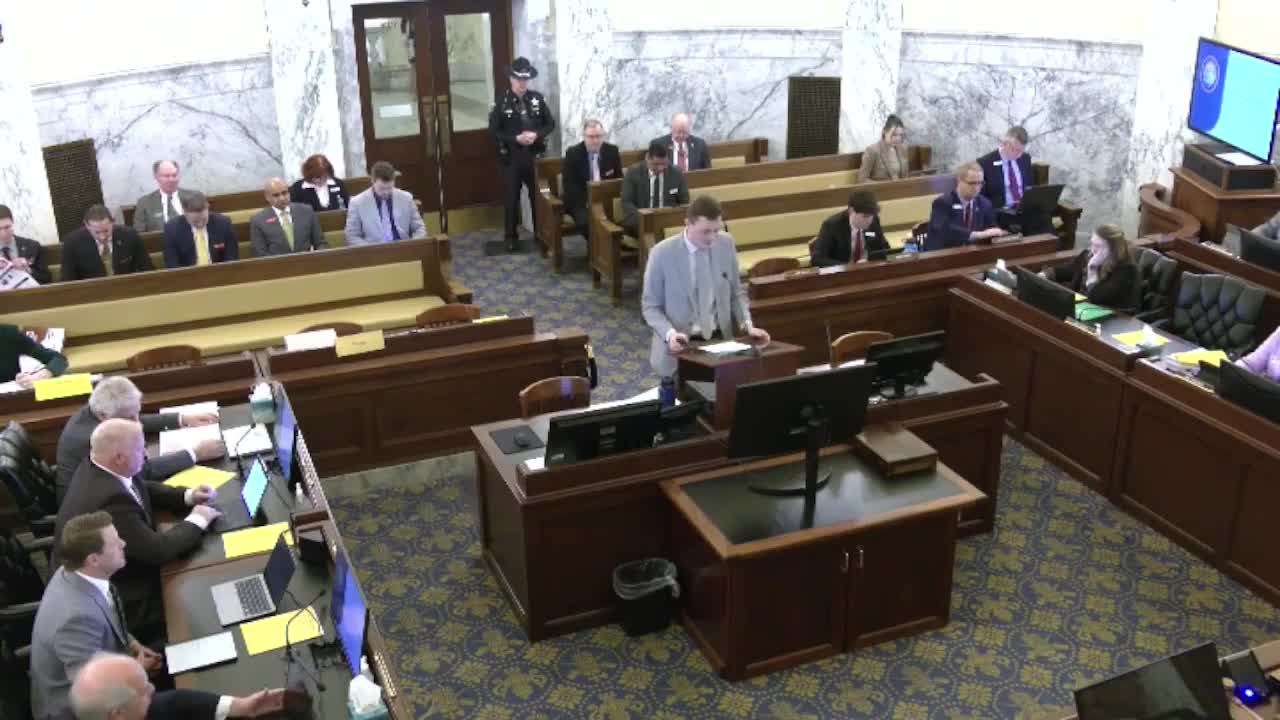
The Joint Finance‑Appropriations Committee on Wednesday received a briefing from the Idaho State Liquor Division detailing FY2024 distributions, staffing challenges at retail locations and a package of FY2026 funding requests that includes modest pay increases for temporary store clerks and IT and security upgrades.
The presentation, delivered to the committee by Kellen McGurkin, budget and policy analyst with the Legislative Services Office, and Andrew Arulanandam, director of the Idaho State Liquor Division, showed the division distributed about $118.3 million in FY2024 to statutorily designated recipients and asked the committee to consider several ongoing and one‑time appropriations for operations and security upgrades.
Why it matters: The liquor division is a dedicated‑revenue agency whose net income and statutory distributions provide funding to courts, cities and counties, and the state general fund. Changes to the division’s operating budget or staffing structure can affect those distributions and the division’s ability to run retail locations that generate that revenue.
Committee briefing and numbers Kellen McGurkin told the committee that, under Idaho Code (cited in the presentation as the statutory charter for the division), the division’s FY2024 distributions totaled $118,300,000. McGurkin and the slides presented a breakdown of how statutory and operational rules determine the allocations: a 2% surcharge on liquor sales that goes to the court services fund (noted in the briefing as about $6.7 million in FY2024), and roughly one half of available funds that are split to cities, counties and magistrate courts (presented as $56.3 million).
The division reported total retail sales of about $319.1 million in FY2024 and reported net income of roughly $116.6 million after costs. The presentation showed the agency’s dedicated fund free balance declined from about $38 million at the end of FY2022 to about $14 million in FY2024; agency staff attributed that decline in part to a surge in direct‑to‑consumer sales during the COVID‑19 period that produced higher margins that have since been spent down.
Staffing, pay and turnover Andrew Arulanandam, director of the Idaho State Liquor Division, told legislators the agency operates with an FTP cap of 257.25 positions (concentrated in retail operations) and uses about 185 part‑time store clerks who are not counted in the FTP total. He said the division currently maintains a filled FTP rate of about 93% and typically spends 96% of its personnel appropriation.
On turnover among temporary retail clerks, Arulanandam said the division previously experienced high turnover but has reduced that after prior pay increases. He said turnover dropped from about 140% per year to roughly 84% after earlier increases. Tony Grama, identified in the briefing as chief deputy and CFO of the liquor division, told the committee that the temporary clerks are state employees (not hired through an outside temp agency) and therefore do not receive regular change‑in‑employee‑compensation adjustments; the only way to raise their pay is via a line‑item appropriation.
Requests for FY2026 The division requested $131,400 in ongoing dedicated funds for FY2026, including $57,400 to raise the hourly rate for temporary retail staff from $15.00 to $15.45, and $72,000 to cover shrink‑wrap costs linked to a new freight contract. The division also requested one‑time appropriations for IT and security, including a $200,000 request to purchase 70 network security firewalls and 70 managed switches to support a cellular/network modernization project led by the state Office of Information Technology Services (OITS), and additional one‑time funds for website accessibility upgrades and retail replacement items.
Arulanandam said the website upgrade request (budgeted at about $100,000 in the presentation) responds to an accessibility audit and a goal to reduce legal risk from ADA‑related suits. "There are indeed other items," he said when asked about the scope of work required to bring the site into compliance.
The committee did not take any formal votes on the division’s requests at the briefing. Members asked clarifying questions about whether the proposed $0.45 hourly increase would materially reduce turnover and about the role of contract stores (those stores buy product from the division but employ their own staff), and the director explained that contract store staffing and pay are governed by individual contracts.
What was not decided No formal actions or committee votes were taken during the presentation. Staff and legislators discussed the merits of incremental pay increases for temporary staff and the division’s capital and IT requests; the committee hearing served as the informational review required before budget decisions are finalized.
Community and fiscal context The division’s appropriations, staffing choices and one‑time capital requests intersect with multiple stakeholders: state courts and local governments that receive statutory distributions; retail store employees and contract stores that operate in local communities; and OITS, which recommended the network modernization approach presented by the agency. The presentation included an LSO review note that OITS’s recommendation on firewalls and managed switches was appropriate.
The division’s FY2026 requests and FY2024 spending and distribution totals provide the committee with the data it will use in biennial budget decisions. The Liquor Division representatives remained available to the committee for follow‑up questions after the briefing.