Get Full Government Meeting Transcripts, Videos, & Alerts Forever!
Get email alerts on the Dopl Budget And Audit topic
No spam. Unsubscribe anytime.
DOPL presents budget, audit response and inspector pay request as turnover and cash balances draw scrutiny
Summary
DOPL briefed the Joint Finance-Appropriations Committee on budget, audit findings and staffing challenges, describing large board cash balances under review, high turnover among inspectors and a request for targeted pay and vehicle/hardware funding to address recruitment and operational needs.
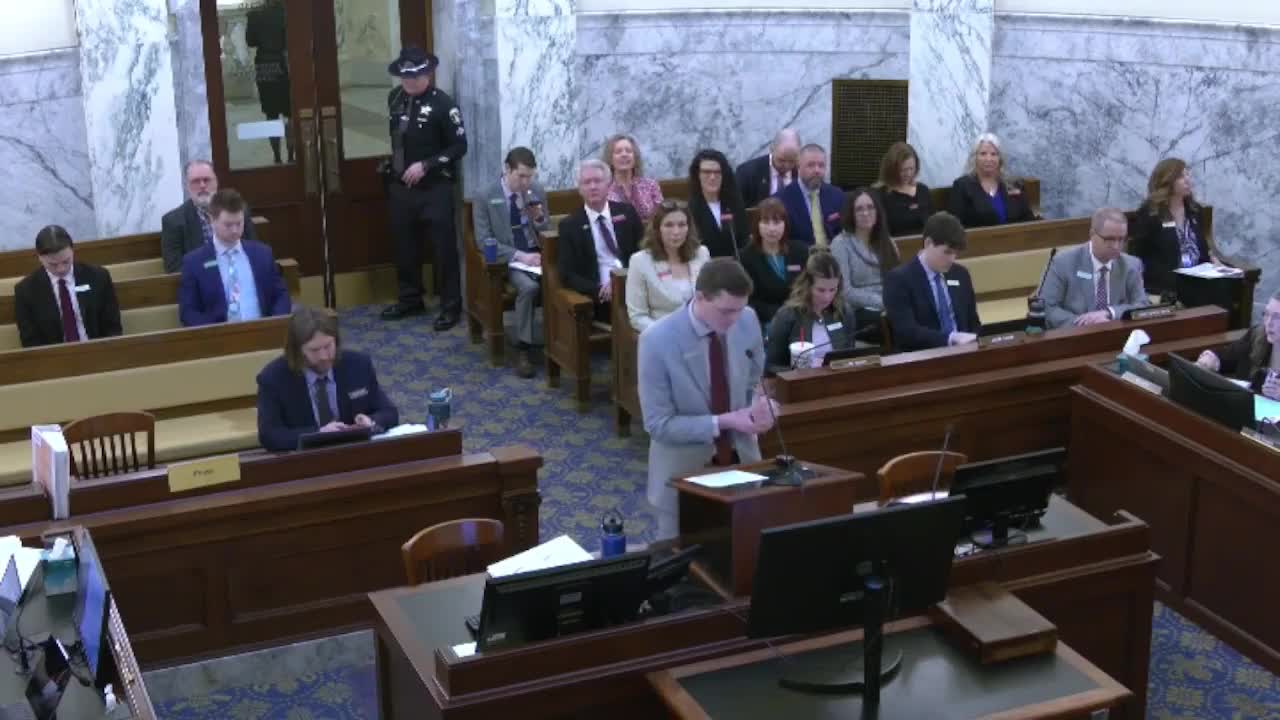
The Division of Occupational and Professional Licenses (DOPL) presented its FY 2026 budget and an update on audit findings to the Joint Finance-Appropriations Committee on Thursday, describing continued work to address large cash balances in board funds, high turnover among field inspectors and expenses related to a recently deployed licensing system.
Kellen McGurkin, a Legislative Services analyst, walked the committee through DOPL’s organization and budgets. He said DOPL now manages roughly 45 boards and commissions with approximately 200,000 licensees and an FTP cap of 267.2. The agency is funded by dedicated and federal funds; McGurkin called attention to $83,000,000 in receipts and transfers in recent years that included a $50,000,000 transfer from previous board cash balances and about $30,000,000 in new revenue collected through licensing and fees.
Audit findings and cash-balance plan April Renfro from Legislative Audit told the committee the division’s most recent open audit finding (November 2024) focuses on excessive cash balances for some boards. Auditors said DOPL has provided reports and a plan (attached to the audit and available in SharePoint) that analyze individual board balances and propose steps to reduce excessive reserves. Renfro said auditors will follow up on those plans and reports.
DOPL administrator Russ Baron told the committee the division has implemented fee reductions, fee holidays and other measures and is seeking statutory and administrative tools to allow more timely adjustments for boards. Baron said some boards had excessive cash prior to consolidation and that balancing cash holdings across many boards is a multi-year process.
Turnover, staffing and inspector pay request Baron and staff outlined high turnover and vacancy rates among inspectors who perform plumbing, HVAC, electrical, elevator and other safety inspections. Baron said turnover in those inspector positions has ranged from 12% to 67% depending on program and year, that vacancies can last up to eight months, and that pay is a primary reason employees leave for private sector or local government jobs that pay significantly more.
To address recruitment and retention, DOPL requested ongoing dedicated funding of $222,000 to increase inspectors’ pay by an average of $0.95 per hour across 92 FTP, along with one-time requests totaling $900,500 in dedicated funds for vehicle replacements (detailed as Ford F-150s, Escapes, F-250 and Explorer units) and an additional $146,401 one-time for hardware recommended by Office of Information and Technology Services. McGurkin said the agency expects to continue seeking a transfer exemption from the 10% transfer limitation for 1–2 more years to allow one-time transfers during the fiscal year to align funding.
Licensing system implementation Baron said DOPL implemented a new licensing system in phases (first release July; another in November) and called it a step toward efficiency. He said consolidating licensing in one system reduces duplicate document submission for multi-license holders, enables cross-training and has produced “same day service” for applications when required documentation is provided. Baron told the committee he will provide the committee the detailed plan and the board-level cash-balance analyses already in SharePoint.
Auditor and legislative oversight Auditors and committee members emphasized follow-up. Representative Tanner and others said they remain concerned that overall cash balances continue to grow and asked for board-by-board analyses and a plan to bring each board into a reasonable reserve range. Renfro said auditors will continue to follow up on the division’s reports and corrective actions.