Get Full Government Meeting Transcripts, Videos, & Alerts Forever!
Get email alerts on the Judicial Branch Court Operations topic
No spam. Unsubscribe anytime.
Judiciary seeks judges, continues court-technology rollout funded by ARPA
Summary
The Judicial Branch presented its court operations budget with continued rollout of court cybersecurity and cloud infrastructure funded by ARPA, requests for new magistrate and district judges requiring statutory action, and staffing challenges for IT and court positions.
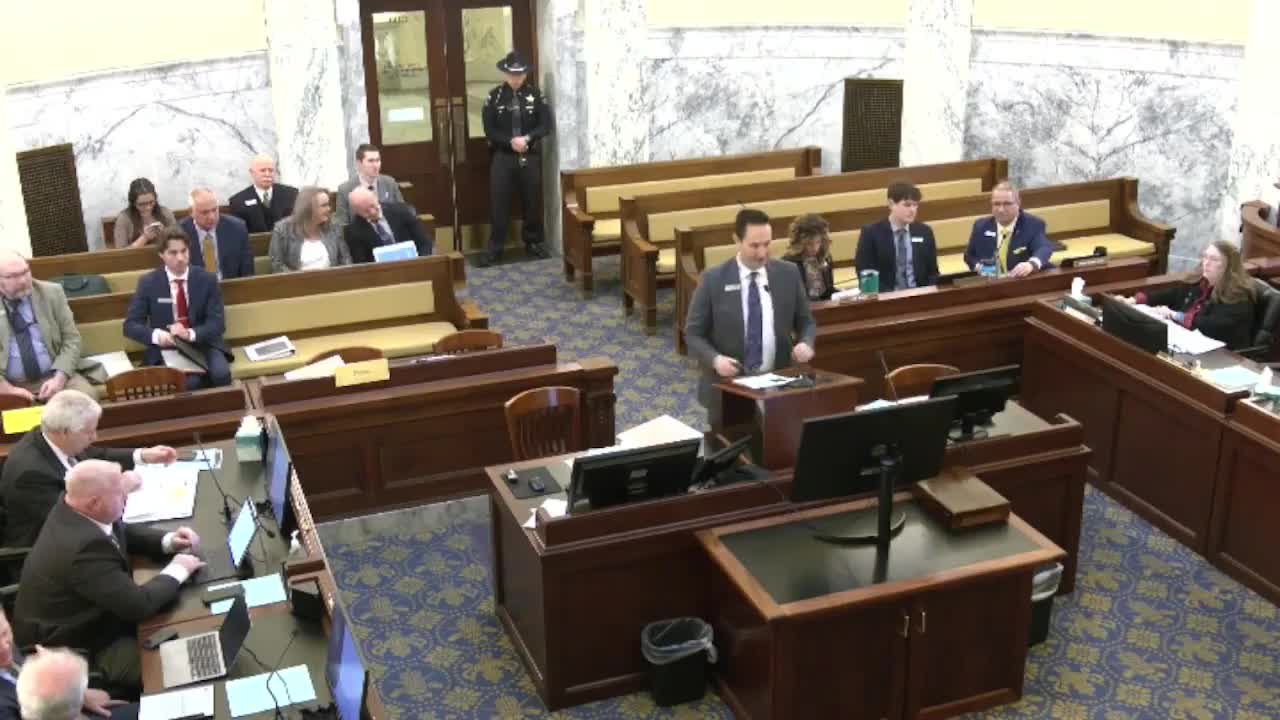
Boise — The Joint Finance Preparation Committee reviewed the Judicial Branch court operations budget Jan. 23, hearing from Division Manager Keith Bybee and Administrative Director of the Courts Sarah Omanson on technology upgrades, judge requests and staffing needs.
Keith Bybee, Division Manager of Budget Policy Analysis, told the committee the Judicial Branch averages about 372 full-time authorized positions, with roughly $57.1 million in personnel cost appropriations and historically spends about 93.5% of personnel-cost appropriations. He said the Court Technology Fund collections increased about 29% year over year — from $2.9 million in FY2023 to $3.4 million in FY2024 — and that the fund's projections are relatively flat going forward. Bybee noted the courts received about $19.9 million in ARPA State Fiscal Recovery funds in recent years to upgrade court technology; the branch has obligated those funds and requested re-appropriation of roughly $16 million to continue planned work.
Bybee outlined the judiciary's FY2026 requests, including judicial compensation (the branch's request of approximately $10.2 million; the governor included a 5% placeholder in the budget amounting to $1.717 million) and requests for new judicial resources: two district judges (First Judicial District and Seventh Judicial District), two magistrate judges (a magistrate in Twin Falls/Fifth Judicial District and one in the Seventh Judicial District in Idaho Falls) and two court reporters. Bybee said adding judges and reporters normally requires statutory action and that the legislature and judiciary are discussing potential bills.
Sarah Omanson, administrative director of courts, described the court-technology program that began in 2020 with a focus on cybersecurity and infrastructure. Omanson said the courts have been targeted in cyberattacks elsewhere and that Idaho's project aims to centralize and secure court systems. She reported Office 365 deployment is about 80% complete, two-factor authentication is preparing to roll out, and the bulk of the remaining work is wiring courthouses and deploying hardware; the branch expects project completion by the end of 2026. Omanson said counties have options: use state-managed desktops on the state court network, or continue to use county machines but access court systems through a hosted “desktop in the cloud” that the court controls for court business. She said the state has historically provided state-managed computers to courthouses but allowed counties to host county business separately if they wish, in which case the courts provide a protected hosted desktop for court work.
Committee members asked whether counties were satisfied; Omanson said the transition is difficult and not universally popular, but the court has aimed to give choices and limit disruption while meeting cybersecurity needs. She stressed the project purpose: secure sensitive court records (including personal identifying information and court-submitted proprietary documents) and standardize protections across court facilities.
Lawyers and legislators asked about vendor strategy for the statewide case-management system (currently provided by Tyler). Omanson said the court will issue a request for information (RFI) to survey the marketplace; the current Tyler contract is in early year two of a five-year cycle and the court is beginning a market review for future planning.
On staffing, Omanson said last year's appropriations allowed some hires but that the courts still cannot fill several IT positions and data-analyst roles; three of five data analysts left for higher-paying jobs and three of five IT positions remain open. She said the branch has hired some finance staff at lower pay than requested and reallocated duties to cover critical functions, reducing payment backlog significantly.
Omanson and Bybee described judicial workforce pressures: since July 1 of the current fiscal year, seven judges have announced retirements; the number and experience level of applicants for judicial vacancies has declined (the courts reported less than half the number of applicants than five years ago and that only about one in five applicants has private civil-practice experience). The branch requested one magistrate for Twin Falls, noting Twin Falls magistrates were opening an average 1,773 cases per judge per year and that Twin Falls has not received an additional magistrate in 35 years. The branch also requested a magistrate for Bonneville County (Idaho Falls area) to reduce travel by judges who must currently travel long distances to hear cases.
Bybee and Omanson emphasized priorities: cybersecurity and infrastructure funded by ARPA; judicial compensation and judicial additions that require statutory change; and targeted hiring for IT, finance and case-processing support. No formal committee votes were recorded during the presentation.
Ending: Committee members asked for follow-up details on ARPA obligations, the RFI timeline for case-management options, and cost estimates to close a hiring-pay gap for critical court positions; the judiciary agreed to supply supplemental materials.