Get Full Government Meeting Transcripts, Videos, & Alerts Forever!
Get email alerts on the Agriculture topic
No spam. Unsubscribe anytime.
Idaho Agriculture Department requests pay structure for investigators, funding to continue quagga mussel response
Summary
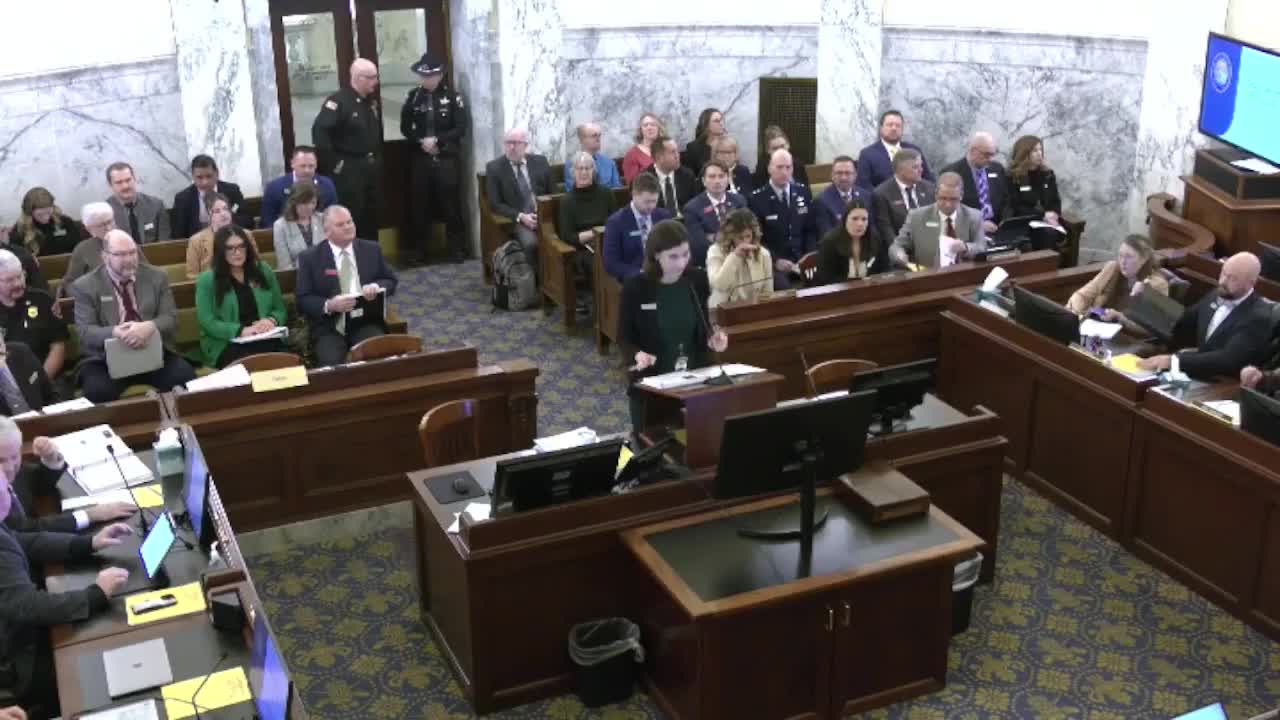
The Idaho Department of Agriculture presented its FY2026 budget request to the Joint Finance-Appropriations Committee, highlighting continuing quagga mussel response funding, a request to create a pay structure for agricultural investigators, vehicle and IT replacements, and one-time grants tied to federal resilient food systems funding.
The Idaho Department of Agriculture presented its fiscal year 2026 request to the Joint Finance-Appropriations Committee, emphasizing continued funding for quagga mussel response and proposals to improve staff retention.
The department told the panel it needs ongoing general-fund support and one-time funding tied to federal grants to sustain invasive species work and to shore up staffing in key inspection and investigator roles.
The agency’s budget and policy analyst, Frances Lippett, reviewed appropriations history and dedicated funds, and described several items driving year-to-year changes. Lippitt said the invasive species fund—primarily funded by a watercraft sticker fee administered by the Department of Parks and Recreation—supports prevention and control work including watercraft inspection and decontamination stations. She told the committee the 2024 legislature provided a $5,000,000 general-fund infusion for quagga mussel response and an ongoing $1.5 million general-fund appropriation intended for staffing and check-station operations.
Director Chanel Tewell described operational action taken since the 2023 Snake River detection, saying, “we doubled the sampling statewide,” and that the department had increased watercraft inspections, personnel and stations. Tewell told members the effort included adding three stations and nearly doubling inspected watercraft compared with the prior year. She stressed Idaho’s choice to “actually do something about it” compared with other states.
Lippitt and Tewell outlined additional budget requests. The department asked for $518,300 in ongoing enhancements, including $340,400 to create a pay structure for the agency’s 53 agricultural investigator positions; Lippitt said 23 investigators have been with the department less than two years and only nine have 10 or more years’ experience. The request aims to improve retention and create a career ladder. The department also requested compensation adjustments for fresh fruit and vegetable inspectors and a $1.1 million one-time request ($891,000 for vehicle replacement and $214,700 for IT hardware replacement). Lippitt said the vehicle package includes replacement of approximately 17 vehicles, mostly pickup trucks and a few SUVs, and that she would provide a vehicle list on request.
Legislators pressed for clarifications about the quagga mussel funding mix. Senator Wintrow asked whether the quagga response relied entirely on boat-fee revenue; Lippitt confirmed the FY2025 budget included an ongoing $1.5 million general-fund appropriation primarily for staffing and inspection stations in addition to the watercraft sticker fee revenues and the one-time $5 million cash transfer to the invasive species fund. Committee members also sought an explanation of why documents show both a $10 million and a $5 million appropriation; Lippitt explained that a cash transfer from the general fund requires appropriation authority in both the receiving dedicated fund and the general fund so the transfer and net effect are visible in the budget tables.
Committee members asked about workload and retention for agriculture investigators. Tewell described investigators as “first responders” to complaints ranging from animal care to pesticide drift, covering large geographic areas (one example she gave was an investigator covering an eight-county area in eastern Idaho). She said retention and onboarding are resource-intensive and that the requested pay structure is intended to reduce turnover.
No formal votes were taken during the presentation. Committee staff agreed to provide a detailed list of the vehicles slated for replacement and additional follow-up on a line in the department’s budget submission that a legislator flagged as possibly misstated (a Department of Treasury grant appearing in FY2024 listings).
The department’s written and oral remarks noted several dedicated funds (invasive species, pest control, agricultural inspection, and a livestock degradation/compensation fund created by House Bill 592) and federal grant activity including a resilient food systems grant cited in the budget tables.
Looking ahead, the department said next-year fund balances will show whether the current increased response level is cyclic or sustained; Lippitt recommended monitoring fiscal-year results to assess trends in fee-backed funds.
The committee moved on without taking immediate action on requested enhancements; staff follow-up was requested for vehicle details and some grant/fiscal-line clarifications.